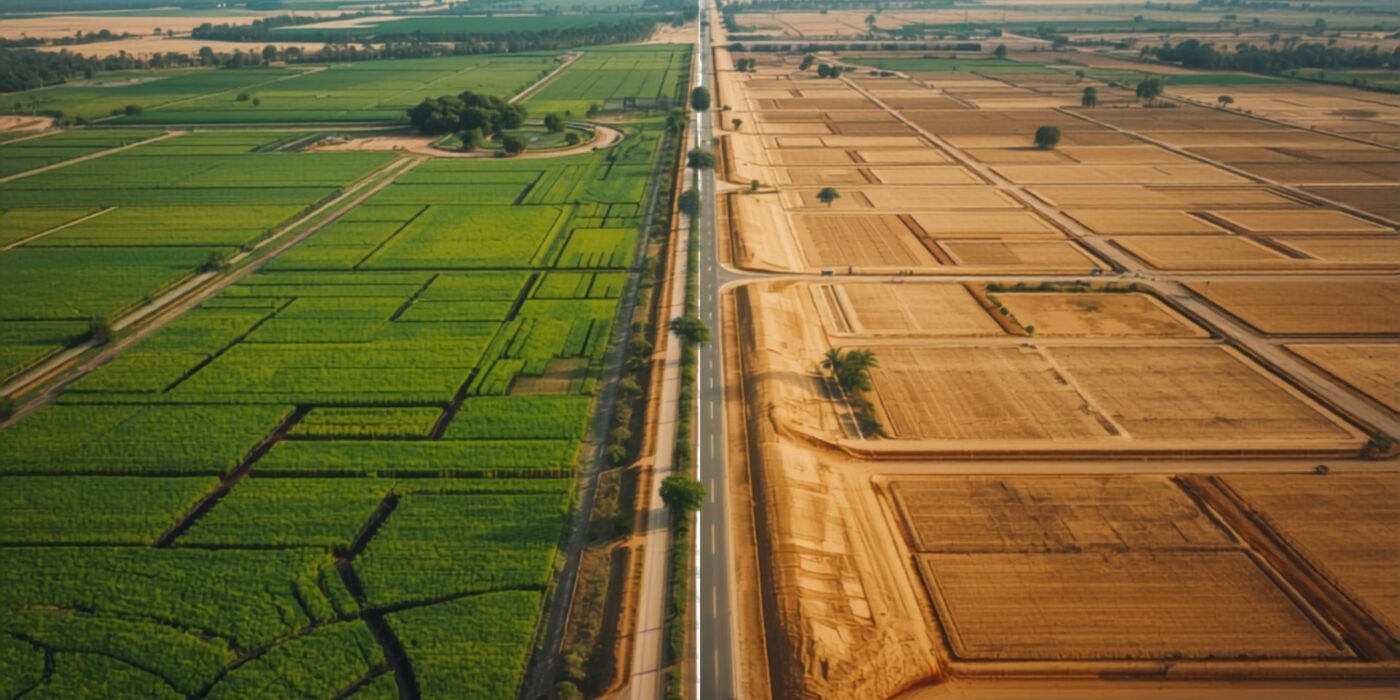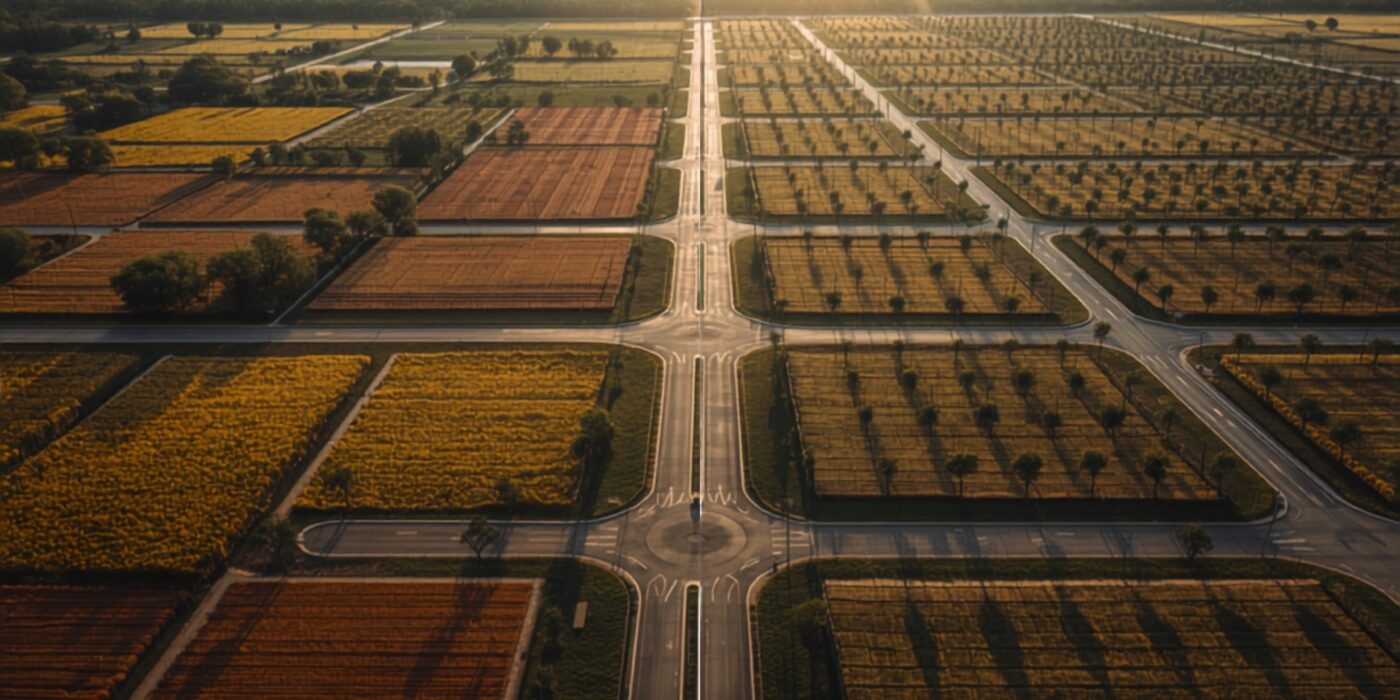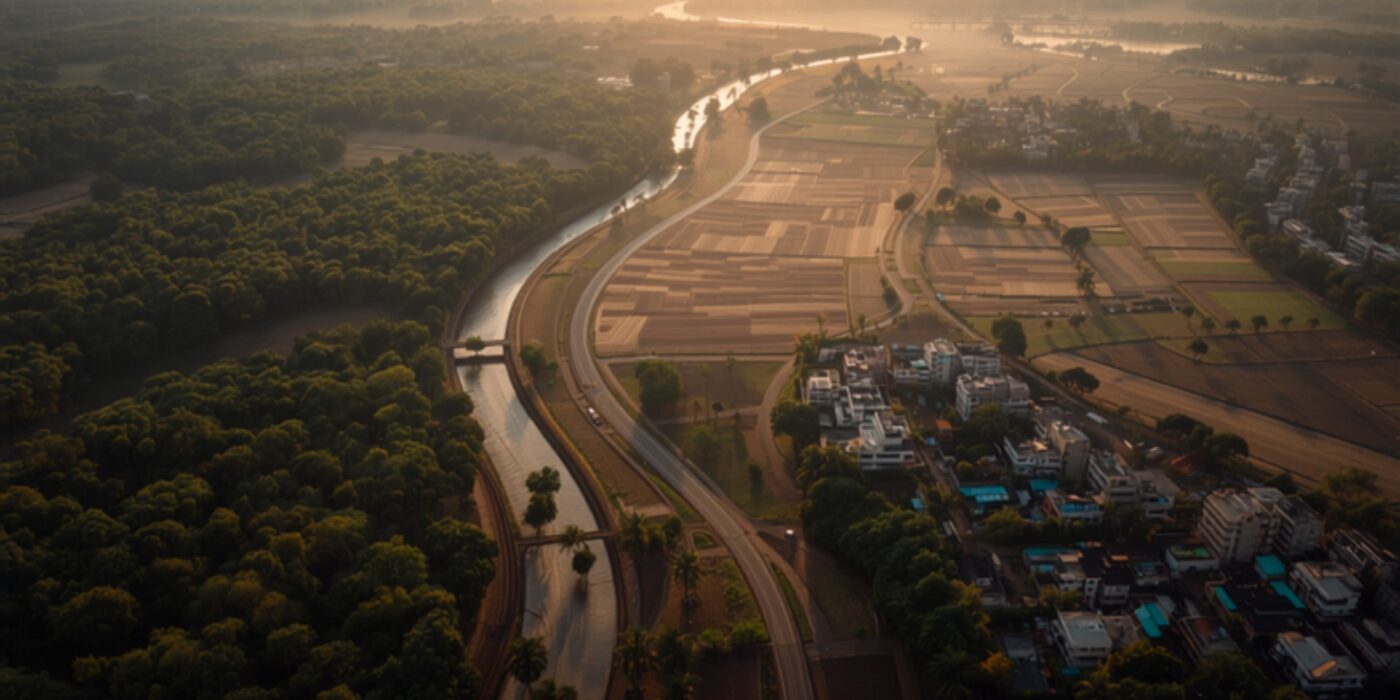
Dighi Port is driving port-led development along Maharashtra’s coast. Discover how Shrivardhan is emerging as a key growth and investment zone.
CategoriesMumbai 3.0 tips & tricks

Dighi Port & Shrivardhan: How Coastal Infrastructure Is Reshaping Maharashtra’s Growth

Dighi Port & Shrivardhan: When the Coastline Became the New Growth Frontier

For decades, India’s economic growth followed highways, cities, and industrial belts.
But quietly—almost unnoticed—another axis of growth has been strengthening in the background:

Ports.

And on Maharashtra’s Konkan coast, one port is steadily rewriting the region’s future.

Dighi Port.

What makes this story compelling is not just the port itself—but what it is doing to the surrounding geography, land values, livelihoods, and long-term development narrative of Shrivardhan and the Raigad coastline.

This is not a speculative story.
It is a structural one.


Why Ports Always Change Land Economics

Globally, ports are not just trade gateways—they are economic multipliers.

Wherever a deep-water port becomes operational, four things follow almost inevitably:

  1. Logistics and warehousing

  2. Industrial clusters

  3. Employment-driven migration

  4. Residential and social infrastructure

Land around ports does not grow because of hype.
It grows because economic gravity shifts.

Dighi Port is now creating that gravity along the Konkan belt.


Dighi Port: Maharashtra’s Strategic Coastal Asset

Located in Raigad district, Dighi Port is Maharashtra’s closest all-weather deep-water port to the western shipping routes. Its strategic importance lies in:

  • Deep draft capability for large vessels

  • Reduced congestion pressure on JNPT

  • Direct access to Konkan, Goa, and southern Maharashtra

  • Port-led industrial development potential

As India pushes toward port-led development, logistics efficiency, and coastal economic zones, Dighi Port is no longer peripheral—it is foundational.


Shrivardhan: From Coastal Town to Strategic Hinterland

Shrivardhan has historically been known for:

  • Beaches

  • Temples

  • Tourism

  • Quiet coastal living

But ports change the destiny of hinterlands.

Shrivardhan’s proximity to Dighi Port places it in a unique dual-position:

  • Close enough to benefit from economic spillover

  • Far enough to retain livability, ecology, and lifestyle value

This balance is rare—and extremely valuable.


The Infrastructure Effect: Roads Before Real Estate

What differentiates this cycle from past coastal speculation is sequencing.

Infrastructure is coming before mass construction.

Key drivers include:

  • Improved road connectivity linking Dighi–Shrivardhan–Raigad interiors

  • Port-led logistics planning

  • Government focus on coastal road and industrial corridors

  • Interest from logistics, warehousing, and processing industries

Historically, land appreciation is strongest when infrastructure precedes demand—not the other way around.


Land, Logistics, and the New Coastal Economy

The Dighi–Shrivardhan belt is evolving into a multi-layered economic zone:

  • Near-port land → logistics, warehousing, industrial use

  • Intermediate belt → workforce housing, support services

  • Coastal & scenic zones → tourism, second homes, wellness resorts

This layered growth is healthy.
It prevents chaotic development and allows different land uses to coexist sustainably.


Why Investors Are Looking Early

Serious land investors don’t wait for billboards—they track policy, ports, and freight movement.

The reasons Dighi–Shrivardhan is drawing attention now:

  • Entry prices still significantly below mature port regions

  • Long-term visibility due to port-led economics

  • Strong government backing for coastal development

  • Limited supply of large, contiguous land parcels

  • Tourism + industry = diversified demand

This is not a “flip” market.
It is a patient capital market.


Lessons from History: Ports Create Cities

Look at:

  • Mumbai itself

  • Rotterdam

  • Singapore

  • Shanghai

Ports don’t just move goods—they anchor civilizations.

Dighi Port may not create a megacity overnight, but it will:

  • Create jobs

  • Stabilize land demand

  • Attract institutions

  • Improve infrastructure

  • Elevate the region’s economic relevance

Shrivardhan stands to benefit as the livable, human-scale counterbalance to industrial intensity.


What Needs to Be Done Right

The opportunity is large—but so is the responsibility.

Success depends on:

  • Environmental sensitivity

  • Zoning discipline

  • Infrastructure-first planning

  • Controlled density

  • Transparent land governance

Ports can accelerate growth—but only smart planning ensures it is sustainable.


The Bigger Picture

Dighi Port and Shrivardhan together represent something larger:

A shift from city-centric growth to region-centric growth.
From congestion to distributed opportunity.
From speculation to economic logic.

As Mumbai 3.0 reshapes the metropolitan core, coastal nodes like Dighi will quietly power the next layer of India’s growth story.


Final Thought

Ports change maps slowly—but permanently.

Dighi Port is not just building maritime capacity.
It is reshaping the destiny of an entire coastline.

And Shrivardhan, standing at the edge of that transformation, may soon be remembered not just as a coastal town—but as a strategic chapter in Maharashtra’s next economic era.

Mumbai 3.0 Land Investment
“Mumbai 3.0 future city concept with highways, green landscapes, and new development corridors in MMR.
CategoriesMumbai 3.0 tips & tricks

What is Third Mumbai or Mumbai 3.0?

Mumbai 3.0: When a City Learns to Breathe Again

For over a century, Mumbai grew by pushing inward.
More people, more buildings, more pressure — all packed into a narrow peninsula that powered India’s economy but slowly ran out of space to live, move, and breathe.

Every great city eventually faces this moment.

A moment where growth can no longer be vertical.
Where expansion must become intelligent.
Where the city must reinvent itself — not by growing taller, but by growing wiser.

That moment for Mumbai is called Mumbai 3.0.


The End of Old Mumbai Thinking

Mumbai 1.0 was about survival and trade.
Mumbai 2.0 was about density, finance, and speed.

Mumbai 3.0 is about balance.

Balance between:

  • Growth and livability

  • Infrastructure and ecology

  • Density and dignity

  • Capital and community

For the first time, Mumbai is not reacting to pressure —
it is planning for the future.


What Mumbai 3.0 Really Is (And What It Is Not)

Mumbai 3.0 is not just a new city.
It is not just Navi Mumbai.
It is not just an airport or a highway.

Mumbai 3.0 is a regional reset.

It is the deliberate expansion of the Mumbai Metropolitan Region (MMR) into a multi-nodal economic ecosystem, where:

  • Jobs are closer to homes

  • Homes are closer to nature

  • Infrastructure leads development

  • Growth is decentralised, not suffocating

At the heart of this transformation lies the Karnala–Sai–Chirner (KSC) New Town, spread across 323 sq. km — not as an extension of chaos, but as an antidote to it.


Infrastructure Didn’t Just Connect Mumbai — It Rewired It

Every city-changing story begins with infrastructure.

Mumbai 3.0 is being stitched together by projects that don’t just reduce travel time — they redefine geography:

  • Mumbai Trans Harbour Link (Atal Setu) collapsed distance between South Mumbai and Navi Mumbai.

  • Navi Mumbai International Airport unlocked a new economic axis.

  • Virar–Alibaug Multimodal Corridor created a spine for logistics, housing, and industry.

  • Rail and highway upgrades pulled peripheral regions into daily life, not just weekend visits.

What was once “too far” is now strategically central.


Why Mumbai 3.0 Is an Economic Decision, Not a Real Estate One

This shift is not driven by property.
It is driven by economics.

Mumbai 3.0 creates:

  • New business districts

  • Data centre hubs

  • Logistics clusters

  • Education and healthcare cities

  • Residential zones designed for the next generation

This is how global cities evolve —
by creating multiple centres of gravity, not one overloaded core.

In simple terms:
Mumbai is no longer one city.
It is becoming a system of cities.


The Silent Winners of Mumbai 3.0

The most powerful changes rarely happen in the spotlight.

The real winners of Mumbai 3.0 are:

  • Regions with land + connectivity

  • Locations near infrastructure nodes

  • Areas that can absorb growth sustainably

  • Places that offer lifestyle, not just returns

Karjat, Panvel, Pen, Uran, Khalapur, Khopoli —
these are not “outskirts” anymore.

They are the future addresses of Mumbai.


Why This Moment Is Different From Past Expansions

Mumbai has expanded before.
But this time, three forces are aligned:

  1. Infrastructure is arriving before mass construction

  2. Lifestyle preferences have fundamentally changed

  3. Policy and planning are proactive, not reactive

This alignment is rare.
And historically, it is during such phases that long-term wealth and urban stability are created.


Mumbai 3.0 Is About Living, Not Just Existing

The most important shift is philosophical.

Mumbai 3.0 asks a different question:

How should Indians live over the next 30 years?

With:

  • Cleaner air

  • More open space

  • Shorter commutes

  • Smarter cities

  • Stronger communities

It recognises that a city’s success is not measured only in GDP,
but in quality of life.


The Road Ahead

Mumbai 3.0 will not be built overnight.
There will be challenges — execution, environment, governance, alignment.

But the direction is clear.

Mumbai has chosen expansion over exhaustion.
Planning over pressure.
Vision over improvisation.

And that makes Mumbai 3.0 not just a project —
but a turning point in India’s urban story.

Mumbai 3.0 Land Investment
Second Mumbai–Pune Expressway: Impact on Karjat, Khalapur & Real Estate Growth
CategoriesLand Investment Mumbai 3.0 tips & tricks

Second Mumbai–Pune Expressway: Impact on Karjat, Khalapur & Real Estate Growth

Second Mumbai–Pune Expressway: Why Karjat–Khalapur–Khopoli Is Emerging as Maharashtra’s Next Strategic Growth Corridor

By Girish Chhalwani
CEO, THE EDGE

Infrastructure announcements often dominate headlines for their scale and promised travel-time reductions. Yet their real significance unfolds far more quietly—through shifts in economic behaviour, land use patterns and long-term real estate cycles.

The announcement of a 130-km greenfield Mumbai–Pune Expressway, estimated to cost ₹15,000 crore, is one such moment. Planned to extend from the Atal Setu near JNPA to Pune’s Shivare Junction, this new corridor is set to run parallel to the existing Mumbai–Pune Expressway, which transformed regional development when it opened in 2002.

Beyond faster travel, the expressway is poised to redefine the importance of micro-markets lying between Mumbai and Pune, particularly Karjat, Khalapur and Khopoli.


What Has Been Announced

According to Union Minister for Road Transport and Highways Nitin Gadkari, the new expressway will significantly ease congestion on the existing corridor while preparing Maharashtra for future traffic volumes.

Key details include:

  • Length: Approximately 130 km

  • Estimated Cost: ₹15,000 crore

  • Alignment: Atal Setu (JNPA) → Pagote → Chowk (Panvel) → Shivare Junction (Pune)

  • Phase 1 Approved: Pagote to Chowk

  • Expected Travel Time: Mumbai–Pune in ~1.5 hours

  • Extended Connectivity: Pune–Mumbai–Bengaluru in ~5.5 hours

In addition, Gadkari also announced a greenfield expressway between Pune and Chhatrapati Sambhajinagar, estimated at ₹16,318 crore, which is expected to reduce travel time between the two cities to around two hours.


Why Karjat–Khalapur–Khopoli Matters Now

Infrastructure does not merely connect locations; it reorders regional priorities.

With the new expressway originating near JNPA–Pagote, the Karjat–Khalapur–Khopoli belt now sits at the intersection of three powerful drivers:

  • Port-led logistics expansion, supported by JNPA and allied freight infrastructure

  • Compressed Mumbai–Pune travel time, altering commuting psychology

  • Affordability compared to saturated urban markets

Historically, regions that benefit simultaneously from logistics access, residential viability and infrastructure investment tend to evolve into stable, multi-use growth corridors rather than speculative hotspots.


From Leisure Destination to Strategic Extension

For years, Karjat and its surrounding areas were discussed largely as weekend-home destinations—known for landscapes rather than long-term economic relevance.

However, this trajectory mirrors what occurred in Lonavala after the first Mumbai–Pune Expressway. Once connectivity stabilised, leisure-led demand gradually gave way to mixed-use development, including residential clusters, hospitality and commercial support services.

A similar pattern is now visible:

  • Khalapur and Chowk are emerging as logistics and warehousing anchors due to expressway access

  • Karjat is naturally suited for low-density residential formats such as plotted developments, villas and managed second homes

  • Khopoli acts as a connective industrial and residential link

Together, these micro-markets function as complementary nodes, not competitors.


Demand Will Change in Profile, Not Just Volume

One of the most important consequences of reduced travel time is not price appreciation—it is demand diversification.

The Karjat–Khalapur belt is likely to attract:

  • Professionals seeking larger homes within 90 minutes of Mumbai

  • Housing demand linked to logistics, warehousing and industrial employment

  • Investors focused on land-backed assets aligned with infrastructure timelines

As psychological distance between cities reduces, the definition of what constitutes “commutable” living expands, reshaping housing preferences.


What Developers and Investors Must Get Right

While infrastructure creates opportunity, outcomes depend on execution. Over multiple real estate cycles, a consistent pattern emerges: regions succeed when development aligns with infrastructure phasing and real demand.

For the Karjat–Khalapur–Khopoli corridor, this means:

  • Respecting zoning, environmental and planning norms

  • Phasing projects in sync with infrastructure milestones

  • Designing communities rather than focusing solely on plot monetisation

This is a corridor where planning discipline will outperform aggressive promotion.


A Long-Term Value Curve

The Second Mumbai–Pune Expressway is not an overnight catalyst. It represents a 10–15 year growth curve, unfolding gradually as infrastructure, logistics and residential demand align.

Karjat and Khalapur currently sit at an inflection point—early enough to be meaningful, mature enough to be credible.

For stakeholders across real estate and infrastructure, the key question is no longer whether this belt will grow, but how thoughtfully that growth is shaped.

In real estate, the most enduring returns are rarely created at the peak of attention.
They are built just before it arrives.

The Karjat opportunity is here now: Edge County Estate — 6 exclusive eco-luxury Mediterranean villas by THE EDGE Developments, strategically positioned in Karjat at the heart of this expressway growth corridor. Clear-title NA plots, RERA compliant. View the project →


What is the Second Mumbai–Pune Expressway?

It is a proposed 130-km greenfield expressway running parallel to the existing Mumbai–Pune Expressway, aimed at reducing congestion and improving intercity connectivity.

How much will the new expressway cost?

The project is estimated to cost around ₹15,000 crore.

What will be the Mumbai–Pune travel time after completion?

The expected travel time is approximately 1.5 hours.

Which areas will benefit most from the new expressway?

Regions such as Karjat, Khalapur, Chowk and Khopoli are expected to see long-term benefits due to improved connectivity and logistics access.

Is this expressway good for real estate investment?

Infrastructure-led corridors typically support long-term value creation, provided development is phased and aligned with demand rather than speculation.


About the Author

Girish Chhalwani is the CEO of THE EDGE, is a real estate land development based out of mumbai.


Mumbai 3.0 Land Investment
Plots or land at karjat
CategoriesEco Living Mumbai 3.0 tips & tricks

Karjat: The Green Powerhouse Fueling Mumbai 3.0’s Next Wave of Growth

Karjat: The Green Powerhouse Fueling Mumbai 3.0’s Next Wave of Growth

As Mumbai enters the era of Mumbai 3.0—a strategic expansion marked by smart infrastructure, multi-nodal development, and global-standard planning—one region is quietly but decisively rising to the forefront: Karjat.
Once seen as a quaint nature escape, Karjat is now evolving into one of MMR’s most powerful growth engines, driven by connectivity upgrades, land availability, and an evolving urban mindset that prioritizes sustainability and space.

Today, Karjat is no longer “outside Mumbai.”
It is the new frontier of Mumbai.


Why Karjat Matters in Mumbai 3.0

Mumbai 3.0 is not just about horizontal expansion—it’s about creating liveable, connected, future-ready satellite cities that ease pressure from the core while fueling new economic corridors.
In this blueprint, Karjat occupies a strategic, high-impact position.

According to Girish Chhalwani, Founder & CEO of THE EDGE Developments,
“Karjat offers the purest version of what Mumbai 3.0 wants to build—nature, connectivity, land, and long-term expansion capacity. It is positioned to become one of the strongest residential and investment hubs of the next decade.”

Karjat’s transformation reflects a shift in how Mumbai thinks about growth:
from vertical congestion to horizontal, sustainable development.


The Infrastructure Wave Redefining Karjat

Karjat’s rise is not accidental—it is the result of multiple mega infrastructure projects converging around the region:

1. Panvel–Karjat Railway Upgrade

Improved frequency and upcoming enhancements will reduce commute time to Navi Mumbai, Panvel, and major employment hubs, making Karjat a viable residential zone for working professionals.

2. Navi Mumbai International Airport (NMIA)

Karjat falls within the airport’s influence zone—an economic magnet that historically transforms land value, job creation, hospitality, and commercial activity.

3. Virar–Alibaug Multimodal Corridor

One of Maharashtra’s largest mobility projects, it will connect Karjat directly to major industrial and residential zones across MMR.

4. Karjat–Bhimashankar Highway

This upcoming corridor will unlock Karjat’s untouched hinterland, opening vast opportunities for plotted development, tourism, and weekend homes.

Combined, these projects position Karjat as a connectivity-rich transit hub, capable of absorbing future urban expansion in a structured manner.


Karjat: MMR’s New Residential & Lifestyle Capital

As buyers increasingly look beyond saturated Mumbai and Navi Mumbai markets, Karjat has emerged as a balanced residential destination offering:

  • Green landscapes and open spaces

  • Significantly lower population density

  • Larger land parcels and better living standards

  • Modern plotting and villa communities

  • Affordability with long-term appreciation

  • A growing cluster of schools, resorts, restaurants, and wellness retreats

The shift toward hybrid work and lifestyle-driven housing has accelerated demand.
Families from Mumbai, Navi Mumbai, Thane, and Pune are now exploring Karjat as a primary or second-home location.

Chhalwani explains:
“Karjat offers the perfect mix—affordable entry, high appreciation potential, and a quality of life that’s impossible to find in traditional suburbs.”


The Rise of Weekend Homes and Nature-Led Living

Karjat has become the epicentre of weekend home investing in MMR.
Buyers today look for:

  • Privacy

  • Greenscapes

  • Cleaner air

  • Waterfalls, hills, and nature trails

  • Large plots for villas and retreats

Many developers believe Karjat will become the Bisleri belt of MMR—where clean air, clean water, and wellness become its economic identity.

This shift is not just lifestyle—it’s economic.
Weekend homes are fuelling construction, local employment, tourism, and hospitality, transforming Karjat into a self-sustaining micro-economy.


Karjat as a Future Economic Sub-Center

Karjat’s land availability (unlike the constrained island city) allows it to evolve into:

  • Tourism and hospitality hubs

  • Education clusters

  • Health & wellness districts

  • Eco-friendly manufacturing pockets

  • Senior-living communities

  • Digital/remote-work townships

  • Warehousing & logistics centres

Its proximity to two major cities—Mumbai and Pune—makes it a natural midpoint for future growth, similar to how Gurugram emerged for Delhi.


Investment Outlook: The Smart Bet of Mumbai 3.0

THE EDGE’s research shows the following trends driving investor interest:

  • Land prices in Karjat have appreciated steadily over the past five years.

  • Plotting projects and villa communities are seeing high absorption.

  • End-user demand is rising, not just speculative buying.

  • Developers are entering the region earlier than they did in Navi Mumbai.

  • Infrastructure delivery timelines are improving district-wide.

In simple words:
Karjat today is where Navi Mumbai was 15 years ago.
And that window will not remain open for long.


Challenges to Address

Karjat’s growth must balance:

  • Environmental and ecological preservation

  • Infrastructure rollout timelines

  • High-quality, low-density planning

  • Transparent land consolidation processes

Experts emphasize that the region’s long-term success relies on sustainable execution, not rushed construction.


Conclusion: Karjat — The Green Superpower of Mumbai 3.0

Karjat represents the new philosophy of Mumbai’s growth:
decentralized, connected, sustainable, and nature-driven.

With mega infrastructure, land-driven affordability, and rising investor confidence, Karjat is moving from a weekend retreat to a core pillar of Mumbai 3.0’s expansion strategy.

As Girish Chhalwani summarizes:
“Karjat is not just a destination—it is the future foundation of Mumbai’s next phase of urban evolution.”

Mumbai 3.0 Land Investment
“Visual representation of Mumbai 3.0 highlighting smart infrastructure, decentralised urban growth, and sustainable city planning.”
CategoriesLand Investment Mumbai 3.0 tips & tricks

Prime Land Investment Opportunities Near Panvel Airport and Mumbai 3.0 in 2025

Prime Land Investment Opportunities Near Panvel Airport and Mumbai 3.0 in 2025

Introduction

The real estate landscape around Panvel Airport and the emerging Mumbai 3.0 urban corridor offers some of the most promising land investment opportunities in 2025. With transformational infrastructure projects like the Navi Mumbai International Airport and the Mumbai Trans Harbour Link driving connectivity and growth, investors have a unique chance to capitalize on rapidly appreciating land values in these strategic Mumbai Metropolitan Region hubs.

Why Panvel Airport Area is a Real Estate Hotspot

Panvel has become a beacon for real estate interest due to its close proximity (just 8 km) to the upcoming Navi Mumbai International Airport, set for phased operations starting in 2025. This airport isn’t just a transport hub; it’s a burgeoning economic ecosystem expected to boost residential, commercial, and industrial activity.

  • Land prices in Panvel have seen significant appreciation, currently averaging between ₹6,000 and ₹10,300 per sq ft.

  • Infrastructure like the Mumbai Trans Harbour Link reduces commute times to South Mumbai by 45 minutes, enhancing Panvel’s appeal.

  • Rental yields currently range from 2.8% to 3.5%, with capital appreciation as the primary investment driver.

  • Major developers like Adani and Godrej are launching large-scale projects, signaling strong confidence in Panvel’s future growth.

Understanding Mumbai 3.0 – The Next Urban Frontier

Mumbai 3.0, often referred to as the ‘Third Mumbai,’ encompasses areas like Panvel, Karjat, and Ulwe. These zones are earmarked for smart city developments, integrating residential, commercial, and industrial spaces supported by world-class infrastructure investments.

  • The region is benefiting from extended metro lines, improved rail connectivity, and major road projects like the Mumbai-Pune Expressway expansion.

  • Land prices here are significantly more affordable than in central Mumbai, with expected gains of 3 to 5 times over the next decade.

  • The strategic location between Mumbai and Pune, coupled with government and private sector investments, makes it a magnet for medium to long-term investors.

Investment Advantages and Future Outlook

The Panvel and Mumbai 3.0 region offers several compelling advantages:

  • Superior connectivity with multiple transit options.

  • Increasing demand from airport-related business hubs and a growing white-collar workforce.

  • A cleaner, greener environment with accessible natural sites like Karnala Bird Sanctuary.

  • Availability of diverse land parcels—agricultural, plotted developments, and ready-to-build residential zones.

  • Anticipated land price growth of 15% to 25% annually in key pockets.

How to Invest Smartly in Panvel and Mumbai 3.0

  • Prioritize due diligence—verify legal titles, RERA registration, and builder credibility.

  • Understand zoning and master plans by authorities like CIDCO and MMRDA.

  • Consider investing during pre-launch or early launch phases to maximize returns.

  • Engage with local experts or consultation services for updated market insights and plot availability.

Conclusion

With the confluence of world-class infrastructure, robust growth drivers, and strategic location advantages, land investments near Panvel Airport and Mumbai 3.0 stand out as some of the best real estate opportunities in 2025. Early investors can enjoy substantial capital appreciation and attractive rental returns as this corridor evolves into a premier destination for living, business, and industry. Explore available plots today and position yourself to reap the rewards of Mumbai’s next growth frontier.

Ready to invest in the Mumbai 3.0 corridor? Discover Edge County Estate — 6 exclusive eco-luxury villas in Karjat by THE EDGE Developments. Clear-title NA plots, RERA compliant, 55 minutes from Navi Mumbai Airport. View the project →

EDGE_INTERNAL_REPLACE_REMOVE_NEXT_SENTENCE

Mumbai’s next growth frontier

“Visual representation of Mumbai 3.0 highlighting smart infrastructure, decentralised urban growth, and sustainable city planning.”
Mumbai 3.0 growth corridor showing satellite towns and real estate investment zones near Mumbai
CategoriesMumbai 3.0 tips & tricks Weekend Homes

“Mumbai’s Satellite Towns: The New Power Zones You’re Still Ignoring”

We invite you to journey with us to Chowk-Karjat, a once-sleepy junction nestled amid the scenic landscapes of Maharashtra. For years, it was a tranquil weekend retreat where city dwellers escaped for brief respites. Today, however, it is transforming before our eyes into something far grander—a vibrant eco-luxury corridor that harmoniously blends nature’s serenity with the pulse of modern infrastructure and lifestyle.

The Shift in How We Choose Homes

We have all noticed how the pandemic changed our relationship with our homes. What was once just a place to sleep became our sanctuary, workspace, and wellness zone. This shift sparked a nationwide surge in demand for second homes—sanctuaries away from the city bustle, where fresh air and open horizons promise a better quality of life.

Here in Chowk-Karjat, this trend is palpable. We have seen buyers and investors alike flock to this corridor, drawn by the promise of eco-friendly living, wellness-focused amenities, and the chance to connect with nature daily. What excites us even more is how Chowk-Karjat is not only a weekend hideaway anymore but is fast becoming a favored choice for first-home seekers. It is no longer just about occasional escapes; it is about building a future and a community.

Transforming Connectivity — Bringing Us Closer

We marvel at the spectacular infrastructure developments that have rewritten the rules of accessibility. Consider the Atal Setu, India’s longest sea bridge, which dramatically cut travel time from South Mumbai to Chowk-Karjat to just about 75 minutes. What before took more than two hours is now less than a comfortable drive.

And the journey continues with the massive investment in the ₹4,500 crore JNPT-Chowk Highway. This six-lane corridor is more than a road; it is a lifeline weaving tourism, business, and residential life together. The impending Navi Mumbai International Airport adds yet another vital link, promising economic and employment boons that ripple through the region.

Together, these projects redefine Chowk-Karjat’s accessibility, opening its doors wider to residents, investors, and weekend visitors alike.

Breathing Easy — The Wellness Edge

We often hear city-dwellers yearning for cleaner air, tranquil surroundings, and a slower pace. At Chowk-Karjat, the Air Quality Index stands proudly at 54, marked as “Good.” This is more than a statistic—it is a testament to the region’s promise of wellness, health, and rejuvenation.

Imagine waking up to fresh air, spending mornings walking along riverside paths or hiking lush trails, and evenings under star-lit skies. This is the lifestyle that Chowk-Karjat offers, attracting wellness seekers, elder communities, and those who embrace eco-conscious living.

Hospitality and Fine Dining Growth

We celebrate the rapid expansion of luxury hospitality and curated dining that marks Chowk-Karjat’s rise. Leading the hospitality scene are notable establishments like Radisson Blu Plaza Resort & Convention Centre, The Forest Club Resort, U Rivergate Karjat, and Oleander Farms. These venues offer more than just accommodation—they provide convention facilities, riverside stays, and boutique experiences that make every visit memorable.

The culinary landscape has also blossomed. Dining options such as Saltt Restaurant & Bar, Common House, Saltt Coffee House, Deewan Khana, and Saffron deliver gourmet and artisanal experiences that rival those of more established destinations. This impressive combination has elevated Chowk-Karjat’s image from a rustic weekend spot to a refined, luxury lifestyle destination.

Social Infrastructure for Everyday Living

We appreciate how Chowk-Karjat has matured into a socially self-sufficient hub beyond its scenic allure. Established schools like Hiranandani School (Fortune City) and Reliance Township, complemented by upcoming international schools, ensure quality educational access for families. Healthcare needs are supported by prominent institutions including Dhirubhai Ambani Hospital, alongside local clinics and wellness centres.

Retail requirements are met seamlessly through outlets such as DMart, boutique stores, and local markets, making daily life convenient. Additionally, recreational amenities abound including trekking trails, golf courses, riverside walks, and vibrant cultural centres that foster community connection and enjoyment.

Investor and NRI Interest

We recognize the heightened interest from non-resident Indians and savvy investors who seek long-term property appreciation combined with premium lifestyle options. Chowk-Karjat’s strategic location between Mumbai and Pune, paired with its growing luxury offerings, makes it a hotspot for discerning buyers.

Celebrity and industrialist investments have further amplified its aspirational appeal, reinforcing Chowk-Karjat’s position as Maharashtra’s luxury real estate frontier.

Investing in Tomorrow — Growth and Opportunity

It is impossible not to notice the buzz from investors and NRIs recognizing Chowk-Karjat’s potential. With forecasted property appreciation of 25-30% in the next three to five years, this corridor promises significant returns alongside lifestyle benefits. Celebrity endorsements and industrialist investments have added shine and credibility to this burgeoning real estate market.

Looking ahead, government initiatives underscore Chowk-Karjat’s sustainable growth—smart city developments, renewable energy hubs, metro expansion, and water management policies working in tandem to create a resilient and liveable future.

Vision 2030 — A Lifestyle Capital

What will Chowk-Karjat look like in a few years? We envision an integrated township where eco-luxury villas coexist with wellness hubs, branded residences, and cultural tourism experiences. By 2030, this corridor is set to become Maharashtra’s lifestyle capital, where investment opportunity meets the promise of high-quality living.

Closing Thoughts

As we stand witness to Chowk-Karjat’s exciting evolution, we recognize it as more than a location—it is a narrative of transformation and hope. From a quiet weekend escape to a future-ready, commuter-friendly eco-luxury corridor, it invites us all to imagine a life enriched by nature, connectivity, wellness, and community. Together, we step into this promising chapter, ready to embrace the best that Maharashtra has to offer.

Understanding the bigger picture: Chowk-Karjat sits at the heart of the Mumbai 3.0 growth story. Read our full guide: What Is Mumbai 3.0? The Vision Redefining Urban Growth in MMR — the definitive explainer on India’s next urban frontier.

“Is the Financial Capital Shifting? Mumbai 3.0 and the Next Growth Story”
CategoriesMumbai 3.0 tips & tricks

“Is the Financial Capital Shifting? Mumbai 3.0 and the Next Growth Story”

🚀 Mumbai 3.0 – The Next Chapter in India’s Financial Capital

For decades, Mumbai has been India’s city of dreams — from the island city to its suburban sprawl. But with limited land, soaring prices, and strained infrastructure, the question arises: Where does Mumbai grow next?

The answer lies in what I call Mumbai 3.0.


🔹 Mumbai 1.0 – The Original City

  • The island city and suburbs — from Colaba to Borivali, Chembur to Mulund.
  • The financial capital, Bollywood hub, and India’s nerve center.
  • But today, Mumbai 1.0 is saturated: rising costs, limited land, traffic congestion.

🔹 Mumbai 2.0 – The Navi Mumbai Story

  • Conceived in the 1970s as a planned twin city.
  • Wide roads, open spaces, and emerging corporate centers like Vashi, Belapur, and Panvel.
  • The upcoming Navi Mumbai International Airport is set to transform it.
  • Yet, even Navi Mumbai faces limits as growth pushes further outward.

🔹 Mumbai 3.0 – The Next Frontier

This is where the future unfolds.

  • Regions: Karjat, Khopoli, Alibaug, Pen, Uran, and parts of Raigad.
  • Mega Infrastructure Driving Growth:

These projects are not just reducing travel time — they are reshaping investment potential.


🔹 Why Mumbai 3.0 Matters

  • Affordable land compared to Mumbai & Navi Mumbai.
  • Perfect for weekend homes, plotted developments, and long-term investments.
  • Early-mover advantage, similar to how Navi Mumbai was undervalued decades ago but commands premiums today.

🔹 My Perspective

Having spent over two decades in real estate and generating over $1 billion in sales, I’ve seen Mumbai evolve through multiple phases.

Just as Navi Mumbai was once dismissed as “too far,” today it thrives. The same cycle is unfolding for Mumbai 3.0. Investors and developers who recognize this early will be part of the city’s next big growth story.


🔹 Final Thought

Mumbai 3.0 is not just geography — it is the future of urban living, investment, and growth. The question is: Will you be a spectator, or a participant in shaping this chapter?


👉 What are your thoughts on Mumbai 3.0? Do you see Karjat, Alibaug, and Raigad as the next big hubs?

Deep dive into Mumbai 3.0: Read our comprehensive guide — What Is Mumbai 3.0? The Vision Redefining Urban Growth in MMR — covering every region, infrastructure project, and investment opportunity in the Mumbai 3.0 corridor.

By Girish Chhalwani – Founder & CEO, THE EDGE |  Land Developments