

Aerial view of Nashik and Nagpur cityscape at golden hour
CategoriesLand Investment

Thane, Nashik & Nagpur Property Tax Online: Municipal Portals Compared

Key Takeaways

  • Thane, Nashik, and Nagpur each have independent Municipal Corporations, each running its own property tax portal — none of them are interchangeable with each other or with Mumbai/Pune systems.
  • All three offer online dues-checking, payment, and receipt download, though the specific navigation and required identifiers (Property ID/Index Number) vary by portal.
  • Buyers investing in these fast-growing tier-two markets should verify property tax status directly through the correct corporation’s portal before finalizing a purchase.
  • As with Mumbai and Pune, unpaid dues can complicate ownership transfer, making a pre-purchase tax check a standard due-diligence step regardless of city.

Reading time: 6 min | Last updated: July 2026 | By Girish Chhalwani, Founder & CEO, THE EDGE Developments

Thane Municipal Corporation (TMC), Nashik Municipal Corporation (NMC), and Nagpur Municipal Corporation (NMC — Nagpur) each operate independent property tax systems, and buyers investing in these expanding markets need to check the correct city-specific portal rather than assuming a Mumbai or Pune process applies. As Maharashtra’s growth corridors extend well beyond the MMR core, these tier-two and tier-three municipal systems are increasingly relevant for land and property buyers.

Property Tax Portals: Quick Reference

City Municipal Body Typical Access Point
Thane Thane Municipal Corporation (TMC) TMC official website, Property Tax section
Nashik Nashik Municipal Corporation (NMC) NMC official website, Property Tax section
Nagpur Nagpur Municipal Corporation (NMC) NMC Nagpur official website, Property Tax section

Each corporation’s portal is independently maintained; always navigate from the specific city’s official municipal corporation website rather than searching generically, to avoid third-party or outdated portal links.

General Process (Applicable Across All Three)

  1. Access the relevant municipal corporation’s official website and locate the Property Tax / Self-Assessment section.
  2. Search using the property’s unique identifier — typically a Property ID, Index Number, or House/Ward number depending on the corporation’s system.
  3. Review current dues, assessment details, and payment history.
  4. Complete payment via the available online methods (net banking, card, UPI).
  5. Download the receipt immediately for records.

Why This Matters for Buyers in These Markets

  • Growth corridor relevance. Thane’s proximity to Mumbai, Nashik’s wine-country and industrial growth, and Nagpur’s central-India logistics positioning have all made these cities increasingly active real estate markets — property tax verification is a standard part of due diligence here, just as in Mumbai or Pune.
  • Confirming zero dues before registration. As with any Maharashtra municipal property, outstanding tax can complicate ownership transfer, so independent verification (not just the seller’s word) is essential.
  • Understanding local assessment basis. Each corporation may apply somewhat different valuation and assessment methodologies, so reviewing the current assessment helps buyers understand their expected ongoing tax liability accurately.

“As investment activity spreads beyond Mumbai and Pune into cities like Thane, Nashik, and Nagpur, buyers sometimes assume the due-diligence process is lighter in these markets. It isn’t — the same property tax verification discipline applies, just through a different municipal portal. Don’t skip the check just because the city is smaller.” — Girish Chhalwani, Founder & CEO, THE EDGE Developments

FAQ

Do Thane, Nashik, and Nagpur each have separate property tax portals?

Yes, each has its own Municipal Corporation with an independently maintained property tax system — none are shared with each other or with Mumbai/Pune.

What do I need to check property tax dues in these cities?

A Property ID, Index Number, or House/Ward number, depending on the specific corporation’s identification system.

Can I pay property tax online in Thane, Nashik, and Nagpur?

Yes, all three municipal corporations support online payment via net banking, card, or UPI, with instant receipt download.

Should I verify property tax status before buying in these cities?

Yes — the same due-diligence discipline applies as in Mumbai or Pune; unpaid dues can complicate ownership transfer regardless of city size.

Are property tax rates the same across Thane, Nashik, and Nagpur?

No, each corporation applies its own valuation and assessment methodology, so tax liability varies by city and locality.

Citations & Sources

  • Thane Municipal Corporation, Nashik Municipal Corporation, and Nagpur Municipal Corporation official portals

Related Reading

Investing Beyond Mumbai and Pune? We Cover the Full State

THE EDGE Developments verifies property tax and title status across Maharashtra’s growth corridors, from MMR to Nashik and Nagpur.

connect@theedgedevelopments.com | Phone: +91-9664662938
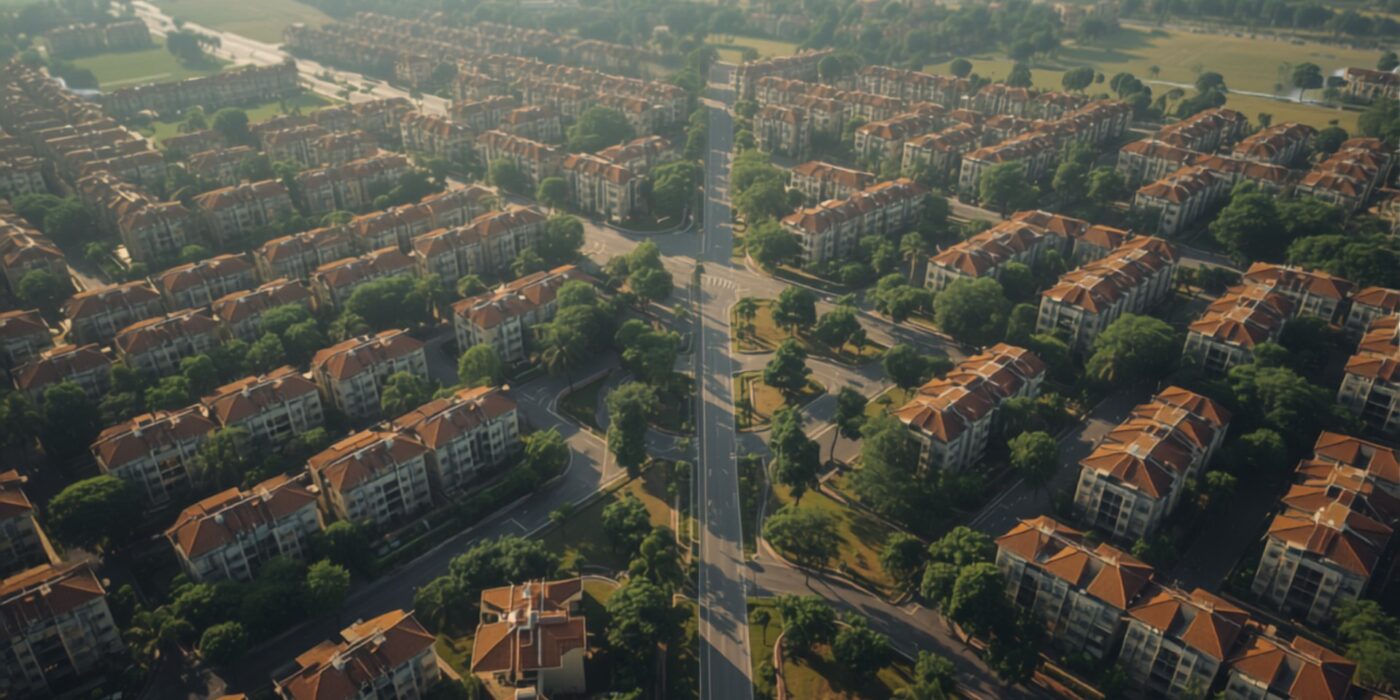
Aerial view of Pune Pimpri-Chinchwad residential township with tree-lined streets
CategoriesLand Investment

PCMC & PMC Property Tax Online: Pune’s Municipal Tax Payment Guide

Key Takeaways

  • Pune has two separate municipal corporations with independent property tax systems: PMC (Pune Municipal Corporation) for Pune city proper, and PCMC (Pimpri-Chinchwad Municipal Corporation) for the twin-city industrial belt.
  • PMC’s portal is at propertytax.punecorporation.org; PCMC’s property tax services are accessible via www.pcmcindia.gov.in — using the wrong one for your property’s location will return no results.
  • Both use area, usage, and construction-type based tax formulas, with online payment, receipt download, and dues-checking available self-service.
  • Knowing which corporation a property falls under matters at the point of purchase — Pune’s rapid urban expansion has blurred boundaries between PMC and PCMC jurisdiction in several fringe areas.
  • Both bodies have periodically run rebate schemes for early or full-year payment — worth checking each cycle.

Reading time: 7 min | Last updated: July 2026 | By Girish Chhalwani, Founder & CEO, THE EDGE Developments

Pune’s metropolitan area is administered by two separate civic bodies, each with its own property tax portal — Pune Municipal Corporation (PMC) for the city core, and Pimpri-Chinchwad Municipal Corporation (PCMC) for the northwestern industrial townships. For property buyers, this distinction matters immediately: paying or checking tax on the wrong portal returns nothing, and understanding which jurisdiction a plot or flat falls under is part of basic location due diligence in the Pune region.

PMC vs PCMC: Which One Covers Your Property?

Corporation Coverage Area Portal
PMC (Pune Municipal Corporation) Pune city core — Shivajinagar, Kothrud, Hadapsar, Viman Nagar, and surrounding wards propertytax.punecorporation.org
PCMC (Pimpri-Chinchwad Municipal Corporation) Pimpri, Chinchwad, Nigdi, Akurdi, and the industrial belt to the northwest www.pcmcindia.gov.in (Property Tax section)

Areas at the administrative edge — parts of the extended Pune Metropolitan Region under PMRDA — may fall outside both corporations and use a different tax mechanism entirely. Confirming jurisdiction with the local revenue office is worthwhile if a property’s location is near a boundary.

How to Check and Pay Tax Online (Both Portals)

  1. Identify the correct portal based on the property’s jurisdiction (PMC or PCMC).
  2. Search using the Property ID / Index Number, or use the “Search by Owner Name / Address” option if the ID isn’t known.
  3. Review the displayed assessment: built-up area, usage category, and current outstanding dues.
  4. Select the payment option and complete via net banking, card, or UPI.
  5. Download the payment receipt immediately after successful transaction; historical receipts are also retrievable from the same dashboard.

Why This Matters for Buyers

  • Confirming jurisdiction before purchase. Pune’s fast urban growth has meant some fringe localities shift or straddle PMC/PCMC/PMRDA boundaries — worth confirming which body actually taxes and services a specific plot before you buy.
  • Verifying zero dues. As with any Maharashtra municipal property, unpaid tax can complicate the ownership transfer process and should be checked independently rather than taken on the seller’s word.
  • Understanding future tax exposure. Since usage category (residential vs commercial) and built-up area drive the tax formula, checking the current assessment helps a buyer estimate ongoing costs accurately, not just the one-time purchase price.

“Pune buyers are sometimes surprised to learn their new flat falls under a different municipal body than they assumed, especially near the PMC-PCMC boundary. It changes which portal you use, sometimes the tax rate, and occasionally which civic services apply. Confirm jurisdiction early, not after you’ve already signed.” — Girish Chhalwani, Founder & CEO, THE EDGE Developments

Rebates and Payment Timing

Both PMC and PCMC have, in various years, offered early-payment or full-year rebates (commonly a small percentage discount for paying the full annual amount by a set date, often in the April-May window). These schemes vary year to year, so checking the current notice on the relevant portal before paying is worthwhile if timing is flexible.

FAQ

What’s the difference between PMC and PCMC?

PMC (Pune Municipal Corporation) governs Pune city core; PCMC (Pimpri-Chinchwad Municipal Corporation) governs the separate twin-city industrial belt to the northwest. They are independent civic bodies with separate tax portals.

How do I know which corporation my property falls under?

Check your property’s earlier tax receipts if available, or confirm with the local ward/revenue office — properties near PMC-PCMC-PMRDA boundaries can be ambiguous without direct verification.

Can I pay PMC property tax on the PCMC portal or vice versa?

No, the two systems are independent; a Property ID from one will not be found on the other’s portal.

Is there a rebate for early payment?

Both corporations have periodically offered early-payment or full-year rebates; current terms should be checked on the applicable portal, as they change year to year.

How is Pune property tax calculated?

Both PMC and PCMC use formulas based on built-up area, construction type, usage category (residential/commercial), and location-based rate factors.

What happens if I buy a property with unpaid PMC/PCMC dues?

Outstanding dues can complicate the ownership transfer and, in some cases, follow the property. Buyers should confirm zero pending dues before registration.

Can NRIs pay Pune property tax online?

Yes, both portals support online payment via net banking, card, or UPI, accessible from anywhere with internet access.

What documents do I need to check my Pune property tax status?

The Property ID / Index Number is the primary requirement; if unavailable, the owner’s name and property address can often be used for a search.

Citations & Sources

Related Reading

Investing Near Pune? Know Which Jurisdiction You’re Buying Into

THE EDGE Developments verifies municipal jurisdiction, tax status, and title clearance on every property we recommend across the Pune region.

connect@theedgedevelopments.com | Phone: +91-9664662938

Aerial view of Mumbai municipal skyline with modern buildings
CategoriesLand Investment

BMC/MCGM Property Tax Online: How to Check, Pay & Download Receipts in Mumbai

Key Takeaways

  • BMC (Brihanmumbai Municipal Corporation, also called MCGM) runs a self-service property tax portal at portal.mcgm.gov.in where any property owner can check dues and pay online using their Property Account Number.
  • Property tax in Mumbai is calculated on Capital Value System (CVS), based on the Ready Reckoner rate, built-up area, usage, age, and floor factor — not on rental value as in older systems.
  • Bills are typically due in two half-yearly instalments; late payment attracts penalty interest.
  • For any property purchase in Mumbai, verifying zero pending property tax dues before registration is a standard and necessary due-diligence step.
  • Receipts and payment history are downloadable instantly from the portal — useful both for personal record-keeping and for proving a clean tax history to a buyer.

Reading time: 7 min | Last updated: July 2026 | By Girish Chhalwani, Founder & CEO, THE EDGE Developments

The BMC (Brihanmumbai Municipal Corporation), also referred to as MCGM, operates Mumbai’s official property tax portal where owners can check assessments, pay dues, and download receipts entirely online. For property buyers and owners in Mumbai City and Mumbai Suburban, this portal — not a physical visit to a ward office — is the fastest way to confirm a property’s tax status and clear any pending liability before or after a transaction.

What Is BMC/MCGM Property Tax?

Property tax is levied annually by the BMC on all buildings and land within Greater Mumbai under the Mumbai Municipal Corporation Act, 1888. Since 2010, Mumbai has used the Capital Value System (CVS) to calculate tax, replacing the older Rateable Value System. Under CVS, tax is computed as a percentage of the property’s capital value, which itself is derived from the government’s Ready Reckoner rate for that locality, multiplied by factors for built-up area, user category (residential/commercial/industrial), age of building, and floor/type factor.

How to Check and Pay BMC Property Tax Online

  1. Visit portal.mcgm.gov.in and navigate to the Property Tax section, or go directly to the dedicated property tax portal linked from the MCGM homepage.
  2. Log in using your Property Account Number (found on any previous tax bill or receipt) — first-time users can register using property details.
  3. The dashboard displays current outstanding dues, bill history, and assessment details for the property.
  4. Select the applicable bill/instalment and choose an online payment method (net banking, debit/credit card, UPI).
  5. On successful payment, a receipt is generated instantly and can be downloaded as a PDF.
  6. Historical receipts for prior years are also accessible from the same dashboard under “Payment History” or “Bill History.”

What You’ll Need

Requirement Where to Find It
Property Account Number Previous tax bill, receipt, or society records
Ward/ZoneCode (if searching by address) Property registration documents or the portal’s ward locator
Registered mobile/email (for OTP verification) Linked to the property account on the portal

Why This Matters When Buying Property in Mumbai

  • Outstanding dues transfer risk. Unpaid property tax is a charge that can complicate mutation and, in some cases, follow the property rather than the previous owner. Confirming zero dues before registration protects the buyer.
  • Cross-verifying seller claims. A seller may claim taxes are “all paid up” — the portal lets you verify this independently in minutes rather than relying on their word or a photocopy of an old receipt.
  • Assessment accuracy. Checking the online assessment also confirms the built-up area and usage category on record match what’s being sold — discrepancies here can signal unauthorized construction or misdeclared usage.
  • Post-purchase transfer. After registration, buyers need to update the Property Account holder name with BMC — the portal is also where this status can be tracked.

“Pending property tax is one of those things buyers assume is ‘obviously’ been checked by someone else in the chain — broker, lawyer, whoever. It usually hasn’t been, formally. Pull the BMC portal history yourself before you register; it takes five minutes and saves you from inheriting someone else’s tax bill.” — Girish Chhalwani, Founder & CEO, THE EDGE Developments

Payment Deadlines & Penalties

Aspect Detail
Billing Cycle Typically half-yearly instalments
Late Payment Penalty Interest charged on overdue amount, compounding until cleared
Exemptions BMC has periodically offered exemptions for small residential units (check current policy on the portal, as thresholds have changed over recent years)

Common Issues Owners Face

Property Account Number Not Found

Older properties or recently regularized units sometimes aren’t fully migrated into the online system. In these cases, a visit to the local Assessment & Collection ward office is still needed to obtain or correct the account number.

Mismatched Owner Name After Resale

If a property changed hands but BMC records weren’t updated, the portal may still show the previous owner’s name. This should be corrected via a name-transfer application with the ward office, supported by the registered sale deed.

FAQ

What is the difference between BMC and MCGM?

They refer to the same civic body — Brihanmumbai Municipal Corporation (BMC) is also officially known as the Municipal Corporation of Greater Mumbai (MCGM). Both names are used interchangeably on official communication and the tax portal.

How is property tax calculated in Mumbai?

Mumbai uses the Capital Value System (CVS), which computes tax as a percentage of a property’s capital value — derived from the Ready Reckoner rate, built-up area, age, usage category, and floor factor.

How do I find my Property Account Number?

It’s printed on any previous BMC tax bill or receipt. If unavailable, it can be retrieved via the ward office using the property address and owner details.

Can I pay BMC property tax without registering an account?

Most payments require identifying the property via its Account Number; a basic guest search is available for checking dues, but online payment typically requires portal login.

What happens if property tax is unpaid for a long time?

Unpaid dues accrue penalty interest and, in prolonged default cases, the BMC can pursue recovery action, which can complicate any future sale or mutation of the property.

Is there an exemption for small residential flats in Mumbai?

BMC has periodically announced exemptions for small residential units below a certain carpet area; eligibility and thresholds should be verified on the current portal notice, as policy has changed over time.

Can I download old tax receipts from the portal?

Yes, the payment history section retains prior receipts, downloadable as PDFs, useful for both personal records and property sale documentation.

Should property tax status be checked before buying a resale flat in Mumbai?

Yes — verifying zero pending dues on the BMC portal is a standard due-diligence step before registration, since unresolved dues can complicate the ownership transfer.

Citations & Sources

Related Reading

Buying in Mumbai? We Verify Every Tax and Title Detail First

THE EDGE Developments confirms property tax status, title clearance, and record accuracy on every recommendation. Get in touch before you commit.

connect@theedgedevelopments.com | Phone: +91-9664662938
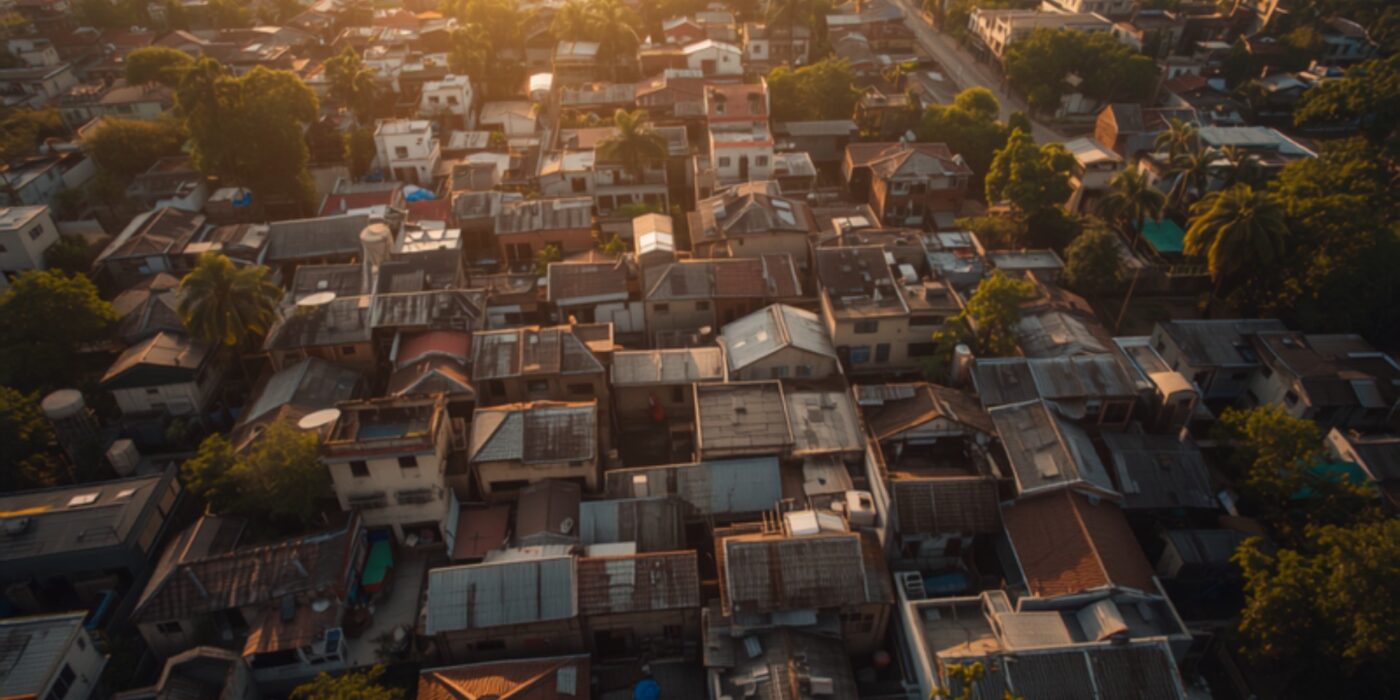
Aerial view of a dense small-town district in India with mixed rooftops and tree cover at golden hour
CategoriesLand Investment

Property Tax on Land and Plots in Maharashtra: Complete 2026 Guide

THE EDGE — Direct Answer

Property tax in Maharashtra is a recurring annual (or semi-annual) charge levied by the local body — Municipal Corporation, Municipal Council, or Gram Panchayat — where the land is situated, and it is entirely separate from the one-time stamp duty paid at registration. Unlike stamp duty, there is no single statewide rate: each local body sets its own tax structure, and vacant land is typically taxed differently (often at a lower rate) than built-up property until construction begins. Most Municipal Corporations, including areas within the Mumbai Metropolitan Region, use a Capital Value System based on the government’s Ready Reckoner Rate, while smaller Gram Panchayats often apply simpler, lower flat-rate structures on vacant plots. Buyers should confirm the specific local body’s rate and payment portal for their exact survey number before assuming a figure.

TL;DR — KEY TAKEAWAYS

  • Property tax is recurring (annual/semi-annual), unlike stamp duty which is a one-time charge at registration — budget for both separately.
  • Rates are set locally, not statewide — Municipal Corporations, Municipal Councils, and Gram Panchayats each have different structures.
  • Vacant land is usually taxed lower than built property, but the exact treatment varies significantly by local body classification.
  • Non-payment accrues penalties and interest and can eventually lead to attachment — always factor ongoing property tax into your total holding cost, not just the purchase price.

Land investors routinely budget for stamp duty and registration but overlook property tax entirely — a recurring cost that continues every year you hold the land, whether or not you’ve built on it. This guide explains how property tax works across Maharashtra’s different local body classifications and what it means for your total cost of ownership.

Reading time: 9 minutes | Last updated: July 2026 | Author: Girish Chhalwani, Founder & CEO, THE EDGE Developments

How is property tax different from stamp duty?

Parameter Stamp Duty Property Tax
Frequency One-time, at registration Recurring — annual or semi-annual
Authority State government (IGR Maharashtra) Local body (Municipal Corporation/Council/Gram Panchayat)
Basis Higher of agreement value or Ready Reckoner Rate Varies by local body — often capital value or a flat structure for vacant land
Applies to The transaction itself Ongoing ownership, every year

Which local body determines the property tax rate?

Maharashtra land falls under one of three local body classifications, and each sets its own property tax structure:

  • Municipal Corporation (e.g., areas within larger cities): Typically uses a Capital Value System, calculating tax based on the government Ready Reckoner Rate for the property multiplied by factors including usage category, construction type, and age — vacant land is generally assessed at a lower capital value factor than built property.
  • Municipal Council / Nagar Parishad (smaller towns, e.g., parts of Karjat, Khopoli town limits): Generally applies a simpler rate structure, often lower than Municipal Corporation rates for comparable land.
  • Gram Panchayat (rural/village areas): Typically the lowest property tax burden, often a modest flat or area-based charge, though this increases if the area urbanises and the local body classification changes.

Because THE EDGE’s core investment corridors (Karjat, Khopoli, and similar peri-urban zones) span multiple local body classifications, two plots of similar size and value in different villages can carry meaningfully different annual property tax obligations — always confirm which local body governs the specific survey number.

How is property tax calculated on vacant land specifically?

Vacant, undeveloped land is generally taxed at a lower rate than built property under most local body structures, since the “capital value” or assessed value of bare land without construction is lower. However, the specific mechanism varies:

  • Some Municipal Corporations apply a reduced capital value multiplier to vacant land compared to constructed property.
  • Once construction begins or a building permission is obtained, the assessment typically shifts toward the higher built-property structure, even before construction completes in some jurisdictions.
  • Gram Panchayats often apply a simple area-based flat rate for vacant plots that is minimal compared to urban Municipal Corporation rates.

How and where do you pay property tax in Maharashtra?

Most Municipal Corporations and larger Municipal Councils in Maharashtra now offer online property tax payment portals, where you can look up your property using the property/assessment number and pay directly. Smaller Gram Panchayats may still require in-person payment at the local Panchayat office. Payment is typically due annually, with many local bodies offering an early-payment discount and levying a penalty with interest for late payment.

What happens if property tax goes unpaid?

Unpaid property tax accrues penalty interest, and persistent non-payment can eventually lead to the local body issuing a demand notice and, in serious cases, attachment proceedings against the property. Beyond the direct financial cost, unpaid property tax dues can also complicate a future sale — buyers and their advocates routinely check for outstanding dues as part of due diligence, and unresolved dues can delay or derail a transaction.

Frequently Asked Questions

Do I have to pay property tax on vacant land I haven’t built on?

Yes, in most local body jurisdictions across Maharashtra, though vacant land is generally assessed at a lower rate than built property. The exact structure depends on whether the land falls under a Municipal Corporation, Municipal Council, or Gram Panchayat.

Is property tax the same across all of Maharashtra?

No. Property tax is set locally by each Municipal Corporation, Municipal Council, and Gram Panchayat individually — there is no single statewide rate or structure, unlike stamp duty which follows a more uniform state framework.

How often do I need to pay property tax?

Most local bodies in Maharashtra bill property tax annually, with some offering a semi-annual payment option. Many also offer a discount for early or lump-sum annual payment.

Does property tax increase after I build on my plot?

Generally yes. Once construction begins or a building permission is granted, most local bodies reassess the property at a higher capital value or rate structure than applied to vacant land.

Can unpaid property tax affect my ability to sell the land later?

Yes. Outstanding property tax dues are a standard due-diligence check for buyers and their advocates, and unresolved dues can delay registration or require settlement before a sale can proceed cleanly.

Citations & Sources

  1. Maharashtra Municipal Corporations Act, 1949
  2. Maharashtra Municipal Councils, Nagar Panchayats and Industrial Townships Act, 1965
  3. Bombay Municipal Corporation — Capital Value System guidelines

Understand Your Full Cost of Ownership Before You Buy

THE EDGE Developments helps investors model total holding costs — including property tax — before committing to a land purchase in the Karjat–MMR corridor.

Contact: connect@theedgedevelopments.com | +91-9664662938 | edgere.in

This article is general information, not tax advice. Confirm exact rates with the relevant local body for your specific property.