
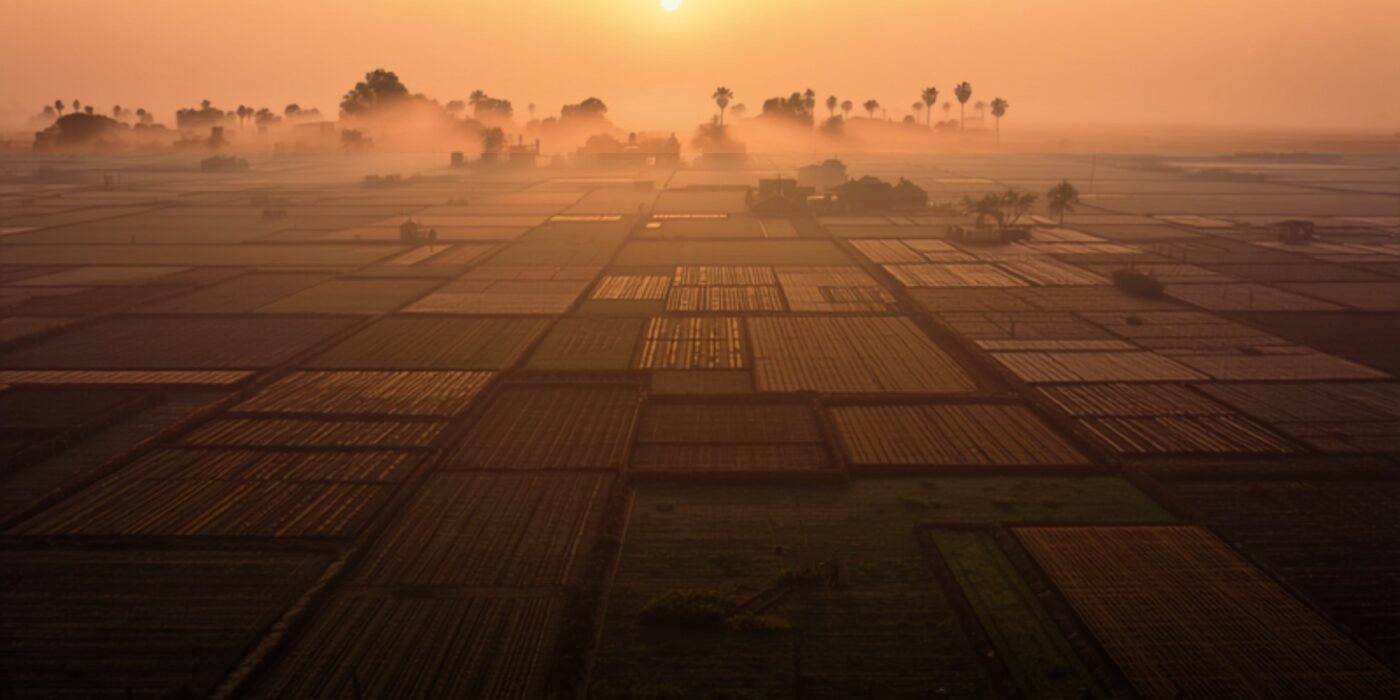
- The 8A extract (Khate Utara or holding extract) lists a landholder’s total land holdings across every survey number and village in a taluka — unlike the 7/12, which covers a single parcel.
- 8A is generated from the Talathi’s “Khate Register” and is used chiefly to verify aggregate landholding and outstanding land revenue (tax) dues against a specific account holder.
- You can view a free copy of the 8A on the Mahabhulekh portal (bhulekh.mahabhumi.gov.in); a digitally signed copy costs a nominal fee via the Aaple Sarkar / Mahabhumi e-services.
- Buyers should cross-check the 8A against the 7/12 to confirm the seller’s name, khata number, and total area match — mismatches often signal unrecorded mutations or disputed shares.
- 8A also matters for Maharashtra’s agricultural land ceiling laws, since ceiling limits apply to a person’s total holdings, not to a single survey number.
- The document is available only for the 26 districts digitized under Mahabhulekh (mainly outside Mumbai city/suburban, which use Property Cards instead).
Reading time: 7 min | Last updated: July 2026 | By Girish Chhalwani, Founder & CEO, THE EDGE Developments
The 8A extract is a land record that shows how much total land a person or entity owns across all survey numbers and villages under one Talathi’s jurisdiction — it is the “roll-up” document that complements the parcel-specific 7/12 extract. If the 7/12 tells you who holds a specific piece of land and what crop or use is recorded on it, the 8A tells you the bigger picture: every parcel that landholder owns in that revenue circle, added together, along with the land revenue tax assessed on the total holding. For land buyers in Maharashtra, the 8A is an underused but important cross-check — it catches ceiling violations, undisclosed co-ownership, and pending tax dues that a 7/12 alone will not reveal.
What Exactly Is the 8A Extract?
The 8A extract, sometimes called the “Khate Utara” or holding extract, originates from the Talathi’s Khate Register (Form No. 8-A) maintained at the village level under the Maharashtra Land Revenue Code, 1966. Every landholder (“Khatedar”) in a village is assigned a unique account number (Khate Kramank), and the 8A consolidates every survey number and hissa (sub-division) registered against that account into a single statement.
What Information the 8A Contains
| Field | What It Shows |
|---|---|
| Khatedar name(s) | All registered owners/co-owners under that account number |
| Khate Kramank | Unique account number assigned to the landholder in that village |
| Survey/Gat numbers | Every parcel held by that account, listed with sub-division numbers |
| Total area | Aggregate area (in hectares/acres) across all listed parcels |
| Assessment (tax) | Total land revenue assessed and any outstanding dues |
| Irrigation status | Jirayat (rain-fed) or Bagayat (irrigated) classification, where applicable |
7/12 vs 8A: The Core Difference
This is the single most common point of confusion for land buyers, so it’s worth stating plainly.
7/12 Is Per-Parcel; 8A Is Per-Holder
A 7/12 extract (Satbara) is generated for one specific survey number or Gat number. It shows the crop history, cultivator details, encumbrances (Section 6 remarks like mortgages or pending litigation), and tenancy status for that parcel alone. If a person owns five different survey numbers across two villages, they will have five separate 7/12 extracts — but only one 8A extract per village (or one combined statement if the Talathi’s jurisdiction spans multiple villages under the same office).
The 8A does not carry crop details or Section 6 remarks — for those, you still need the 7/12 of each individual parcel. Think of the 8A as an index and tax summary, not a replacement for parcel-level due diligence.
Why the 8A Matters When Buying Land
1. Verifying Land Ceiling Compliance
Under the Maharashtra Agricultural Lands (Ceiling on Holdings) Act, 1961, an individual or family unit cannot hold agricultural land beyond a prescribed ceiling, which varies by irrigation type and location. Because the ceiling is calculated on aggregate holdings, not on one parcel, the 8A is the document revenue authorities use to check compliance. If you are buying land from a seller who holds multiple parcels, an 8A check can flag if the transaction would push them over — or if they are already in violation, which can cloud title.
2. Catching Unpaid Land Revenue
The 8A shows total assessment and dues. Outstanding land revenue is a charge on the land itself in many cases, and unresolved dues can complicate mutation (transfer of ownership) after a sale. Checking the 8A before finalizing a deal avoids inheriting someone else’s unpaid tax history.
3. Cross-Verifying Ownership Claims
Sellers sometimes present a 7/12 that looks clean in isolation. Pulling the 8A against the same Khatedar name can reveal other holdings, joint ownership arrangements, or family shares that were not disclosed — useful context before you commit earnest money.
How to Get the 8A Extract Online
Step-by-Step via Mahabhulekh
| Step | Action |
|---|---|
| 1 | Go to bhulekh.mahabhumi.gov.in and select your division, district, taluka, and village |
| 2 | Choose the record type — select “8A” instead of “7/12” from the extract-type menu |
| 3 | Search by Khatedar name or Khate number (not survey number, since 8A is holder-based) |
| 4 | Enter the CAPTCHA and click Submit/Search |
| 5 | View the extract on-screen free of charge; print or screenshot for reference |
| 6 | For a digitally signed, legally admissible copy, use the “Digitally Signed 7/12 & 8A” service on Mahabhumi’s e-services (small fee, typically under Rs 20) |
Offline Route: Talathi/Tehsildar Office
Where digitization is incomplete or you need a certified physical copy with an official stamp, you can apply directly at the village Talathi office or the Tehsildar’s office, quoting the Khatedar name and village. Processing typically takes a few working days and involves a nominal fee.
Availability Caveat
Mahabhulekh covers land records for most of Maharashtra’s rural and semi-urban areas but not Mumbai City and Mumbai Suburban districts, which follow the Property Card system administered separately. If you’re evaluating land near Mumbai in districts like Thane, Raigad, Palghar, or Pune, the 8A/7/12 system on Mahabhulekh applies directly.
“Buyers obsess over the 7/12 and forget the 8A exists. But the 8A is what tells you whether the person selling you three acres actually owns thirty across the village — and whether their land revenue account is clean. We pull it as a standard step in every acquisition, because a mismatch between 7/12 and 8A is one of the cheapest red flags to catch and one of the most expensive to miss.” — Girish Chhalwani, Founder & CEO, THE EDGE Developments
Common Issues Buyers Encounter
Name Spelling Mismatches
Rural land records often have inconsistent spellings of the same owner’s name across documents due to decades-old manual entries. This can cause a Khatedar search to miss records or show incomplete holdings. Cross-check using the Khate number where possible.
Joint Khate Accounts
Where land is held jointly by multiple family members (common after inheritance without partition), the 8A will list all co-holders under one Khate number, but it will not tell you each person’s exact share — that requires the 7/12’s “other rights” column and, ideally, a partition deed or family settlement.
FAQ
What does 8A stand for in Maharashtra land records?
8A refers to Form No. 8-A under the Maharashtra Land Revenue Code, 1966 — it is the holding extract or “Khate Utara” that consolidates a landholder’s total registered land across a village or Talathi jurisdiction.
Is 8A the same as 7/12?
No. The 7/12 (Satbara) covers one specific survey/Gat number and includes crop and encumbrance details. The 8A aggregates all parcels held by one person or account into a single tax and holding summary.
Can I get the 8A extract online for free?
Yes, a view-only copy is free on bhulekh.mahabhumi.gov.in. A digitally signed, legally valid copy carries a small government fee, typically under Rs 20-25.
Does 8A apply to Mumbai city properties?
No. Mumbai City and Mumbai Suburban districts use the Property Card system, not the 7/12/8A framework used in the rest of Maharashtra.
Why would a seller’s 8A show more land than expected?
It could reflect legitimate multiple holdings across villages, unrecorded family shares, or in some cases land close to or beyond ceiling limits — all worth investigating before purchase.
Do I need the Khate number or the name to search 8A on Mahabhulekh?
Either works, but searching by Khate number is more reliable since names can have spelling variations across older records.
Does 8A show whether land revenue tax is unpaid?
Yes, the assessment and dues section on the 8A reflects total land revenue assessed against the holder, including any pending arrears.
Is the 8A extract required for mutation (name transfer) after a sale?
The mutation process primarily updates the 7/12, but revenue officials often reference the 8A to confirm the seller’s total holding and outstanding dues status before approving the mutation entry.
Can NRIs or absentee landowners check their 8A remotely?
Yes, Mahabhulekh is accessible from anywhere with internet access, making it convenient for NRI landowners to check holdings without visiting the Talathi office in person.
Citations & Sources
- Mahabhulekh Portal — bhulekh.mahabhumi.gov.in
- Maharashtra Land Revenue Code, 1966 — Revenue & Forest Department, Government of Maharashtra
- Maharashtra Agricultural Lands (Ceiling on Holdings) Act, 1961
Related Reading
- The 7/12 and 8A difference, compared side by side
- How to Read a 7/12 Extract in Maharashtra: Complete Guide for Land Buyers 2026
- How to Check Property Records Online in Maharashtra: Mahabhulekh, E-Ferfar and More
Need Help Verifying a Land Record Before You Buy?
Our team cross-checks 7/12, 8A, and mutation history on every parcel we recommend, so you never buy on an incomplete record. Reach out and we’ll walk you through it.
connect@theedgedevelopments.com | Phone: +91-9664662938