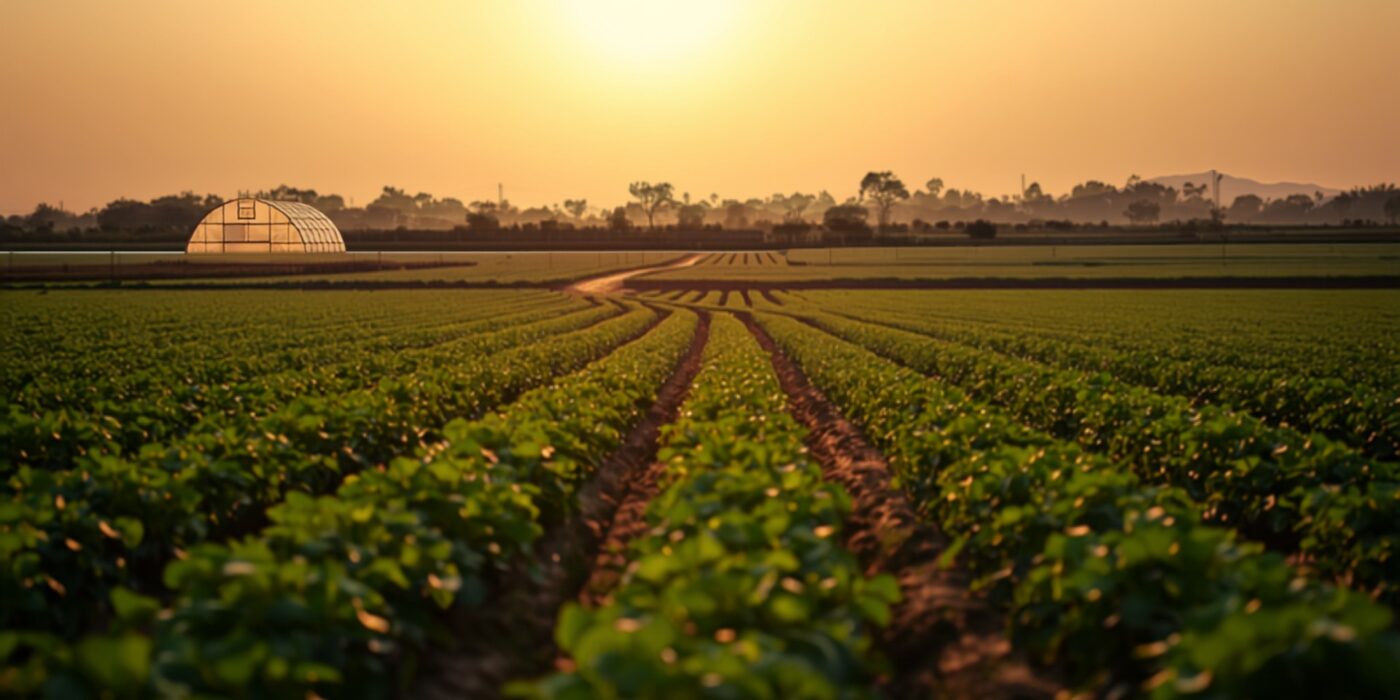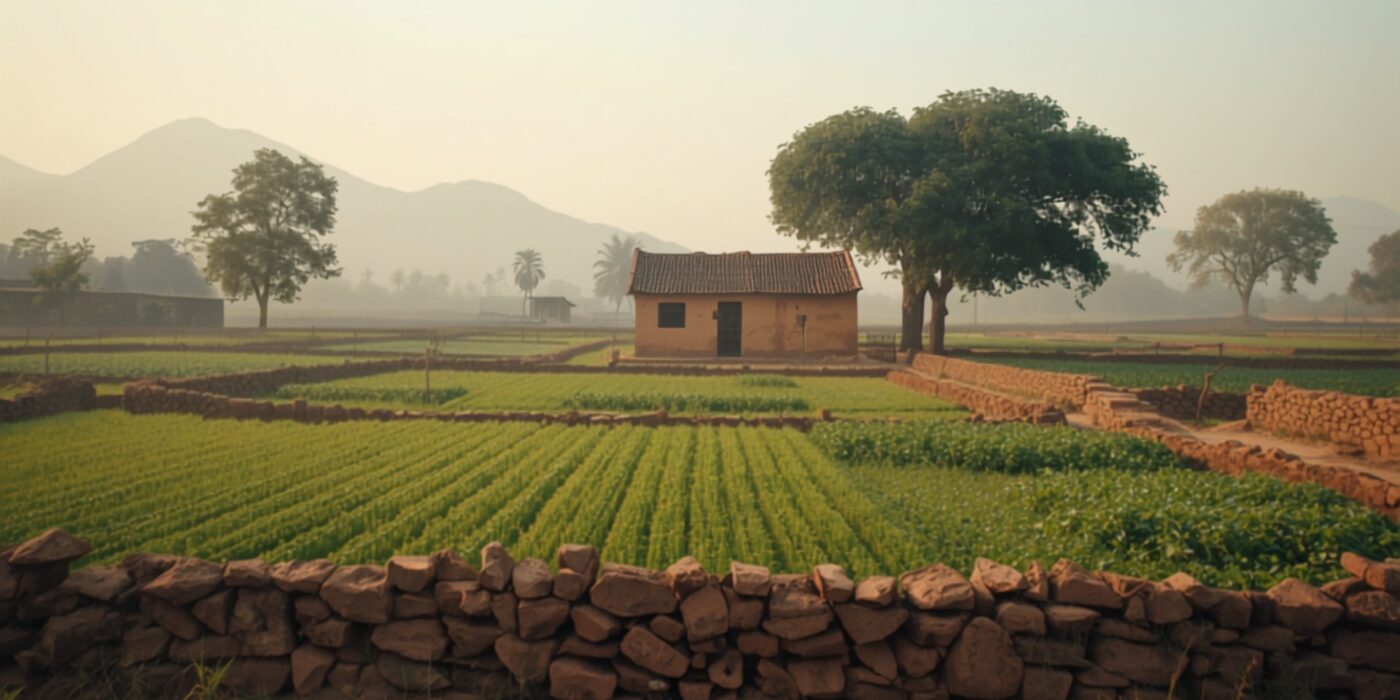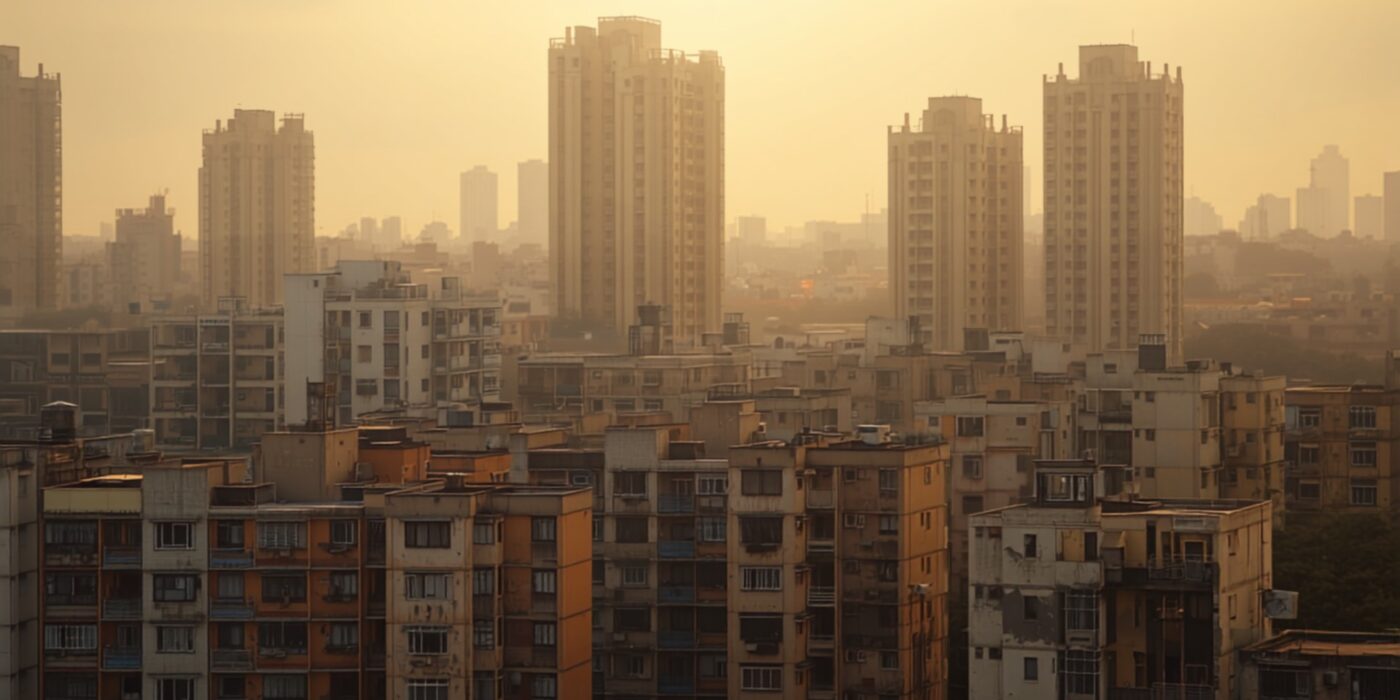
Discover why Karjat’s land prices are booming. Airport influence, better connectivity, luxury projects, and strong rentals make it a high-growth MMR hotspot.
CategoriesEco Living Land Investment tips & tricks

Karjat Property Growth Explained: Infrastructure, Demand & ROI

Karjat: The New Epicentre of Land Growth in MMR

Karjat is emerging as one of the fastest-growing land investment destinations in the Mumbai Metropolitan Region (MMR). Backed by major infrastructure upgrades, rising demand for second homes, and a growing preference for sustainable, nature-led living, the region is witnessing unprecedented appreciation across land categories — from agricultural plots to premium villa estates.

Over the last decade, Karjat has transitioned from a quiet weekend getaway to a high-return investment hotspot, with farmland prices increasing by over 1,100%, and residential development demand hitting record highs. Its strategic location, scenic environment, and enhanced connectivity have positioned Karjat as a prime zone for both investors and lifestyle buyers.


Key Drivers of Karjat’s Land Growth

1. Massive Infrastructural Development

Karjat’s real transformation is powered by large-scale infrastructure projects that are redefining mobility and accessibility:

  • Navi Mumbai International Airport (NMIA):
    The airport’s influence zone extends deep into Karjat, creating demand for hospitality, rentals, second homes, and plotted development.

  • Enhanced Road Connectivity:
    New highway upgrades and the upcoming Karjat–Bhimashankar Road are strengthening Karjat’s link to Panvel, Navi Mumbai, and Pune.

  • Improved Rail Access:
    The Panvel–Karjat double-tracking and frequency upgrades are making Karjat more accessible for daily commuters and long-term residents.

These enhancements are turning Karjat into a seamlessly connected micro-city, directly benefiting land valuations.


2. Rising Demand for Second Homes & Rentals

Karjat’s natural beauty, lower pollution levels, and peaceful surroundings have sparked a boom in:

  • Weekend homes

  • Farmhouses

  • Airbnb-friendly properties

  • Boutique resorts

  • Wellness retreats

Investors are increasingly drawn by high rental yields, especially during weekends, holidays, and festive seasons. For many, Karjat is now the go-to destination for passive income through rentals.


3. Growth in Luxury & Sustainable Developments

Karjat is witnessing an influx of premium and eco-friendly residential projects:

  • Luxury villas

  • Gated communities

  • Resort-style developments

  • Sustainable estates with solar energy and rainwater harvesting

  • Nature-integrated homes with landscaped gardens and private pools

This upscale development trend is attracting HNIs, NRIs, and Mumbai families seeking a healthy, low-density lifestyle without compromising on comfort.


4. Affordability With Strong Appreciation Potential

Compared to Mumbai, Navi Mumbai, and Thane, Karjat offers:

  • Lower entry prices

  • Larger plots

  • Higher appreciation potential

  • Better long-term value

With development accelerating and land supply limited, appreciation is expected to continue rising for the next decade.


Investment Outlook: Why Karjat Is a Smart Bet

  • Over 1100% appreciation in farmland prices over the past 10 years.

  • Continuous demand from investors, second-home buyers, and weekend travelers.

  • Low supply of premium land parcels, leading to future price pressure.

  • Ideal for long-term capital growth and short-term rental income.

  • Perfect for hybrid living, sustainable communities, and luxury villa projects.

Karjat’s rare combination of affordability, appreciation, natural environment, and infrastructure-backed growth makes it one of the strongest land investment markets in MMR right now.


Final Word

Karjat is no longer just a serene escape — it is a high-growth, long-term investment corridor aligned with Mumbai 3.0’s future development blueprint. With connectivity improving, demand rising, and lifestyle shifts accelerating, the region is primed for sustained expansion.

For investors looking to build wealth through land, Karjat is not just an opportunity —
it is one of the smartest investment decisions of this decade.

Looking to invest in Karjat? Explore Edge County Estate — 6 exclusive Mediterranean-inspired eco-luxury villas in Karjat by THE EDGE Developments. Clear-title NA plots, RERA compliant, 55 minutes from Navi Mumbai Airport. View the project →


Mumbai 3.0 Land Investment
Invest smart in MMR: discover the future of land appreciation, infrastructure impact, and the rise of new economic corridors in Mumbai 3.0.
CategoriesLand Investment tips & tricks

Future of Land Investment in MMR: Expert Insights on the Next Big Wealth Wave

MMR Land Market Forecast: Infrastructure-Led Boom Explained by Industry Expert

Future of Land Investment in MMR: A New Era of Security, Growth & Opportunity

By Girish Chhalwani, Founder & CEO, THE EDGE Developments


Introduction: Why Land Is Becoming the New Gold Standard in MMR

For decades, the Mumbai Metropolitan Region (MMR) has been the heartbeat of India’s real estate market. But today, with infrastructure expansion, economic decentralisation, and the shift toward sustainable urban planning, land investment in MMR is entering its most defining era.

Investors, homebuyers, and developers are all asking the same question:
Where will the next wave of growth happen?

And the answer, backed by data and ground-level insights, is clear:
MMR’s land markets—especially the emerging corridors—are becoming the most strategic and secure investment choices of the next decade.

From Mumbai 3.0’s expansion to the Navi Mumbai Airport influence zone, the fundamentals today are stronger than ever.


1. Why Land Is Outperforming Other Asset Classes in MMR

In an age where equities fluctuate and fixed deposits fail to beat inflation, land remains the only asset that compounds both scarcity and demand.

✔ Zero Depreciation Asset

Land never ages, cracks, or depreciates. Structures do — land doesn’t.

✔ High Appreciation + Low Holding Cost

Land offers appreciation driven by infrastructure, not building quality.

✔ Full Ownership & Control

Unlike flat ownership (which is shared), land investors own the asset outright.

✔ Better ROI in Emerging Corridors

Areas around Karjat, Pen, Panvel, Khopoli, and Dombivli see faster value jumps due to infrastructure inflow.

As an advisor and developer, I’ve seen land outperform apartments by 2x–4x in the same micro-market when held for 5–10 years.


2. The Infrastructure Revolution Driving Land Prices in MMR

MMR is witnessing one of the biggest infrastructure booms in India’s history.
Each major project shifts the real estate graph upward.

🔵 Mumbai Trans Harbour Link (Atal Setu)

Redrawing connectivity by bringing South Mumbai closer to Navi Mumbai & beyond.

🔵 Navi Mumbai International Airport (NMIA)

Historically, airports fuel massive land appreciation — NMIA will be no different.

🔵 Virar–Alibaug Multimodal Corridor

The spine of Mumbai 3.0 — connecting industrial, residential, and logistics hubs.

🔵 Panvel–Karjat Railway Corridor

Making Karjat, Khopoli, and adjoining zones future residential capitals.

🔵 Dedicated industrial & logistics corridors

Driving employment, migration, housing, and land demand.

Every infrastructure milestone adds another layer of value to land investment — especially in the outskirts, where development is just beginning.


3. The Rise of Mumbai 3.0 and What It Means for Land Investors

Mumbai 3.0 is redefining how the city will grow over the next 25 years.

✔ Decentralised development

No more pressure on island city — growth is moving outward.

✔ Sustainable, low-density planning

Land-rich zones are preferred for balanced development.

✔ New economic clusters

KSC New Town, Panvel, Karjat, Pen, Thane Extension, and Khopoli.

✔ Massive demand for plotted projects

Buyers are now choosing plot + construction freedom over compact apartments.

In Mumbai 3.0, land availability = economic advantage.
This is why investors are positioning themselves early.


4. Which MMR Regions Will Lead the Next Land Boom?

Based on on-ground study, investor sentiment, and infrastructure mapping, these are the hotspots:

⭐ 1. Karjat (The Green Superpower of MMR)

Great for weekend homes, plotted development, and long-term appreciation.

⭐ 2. Panvel (Airport Capital of MMR)

Strongest economic magnet due to NMIA + MTHL.

⭐ 3. Pen & Pali Belt

Affordable land + proximity to industrial corridors.

⭐ 4. Khopoli

High growth due to clean air, tourism, and upcoming MMC.

⭐ 5. Dombivli–Badlapur Cluster

Residential spillover + railway upgrades.

⭐ 6. Uran–KSC–JNPT Belt

Commercial and logistics powerhouse in the making.

Each region fits a different investor profile, but they share one common thread — future-proof growth.


5. Why 2025–2035 Will Be the Golden Era for Land Investors

We are entering a decade where:

  • Infrastructure delivery will be faster

  • Land banking will become institutional

  • Buyers want low-density living

  • Mumbai’s expansion will be unstoppable

  • Economic shifts will favour peripheral hubs

Historically, the biggest wealth creation in real estate happens before full infrastructure delivery.

The next 10 years offer that opportunity — especially for those who understand corridor-based investments.


6. My Expert Recommendation: How to Invest Safely & Smartly

✔ Do not rush — verify title, zoning, and approvals.

✔ Choose infrastructure-led corridors — not isolated locations.

✔ Prefer NA plots over agricultural for long-term clarity.

✔ Look for townships, gated developments, and plotted communities.

✔ Hold for 7–10 years for maximum wealth creation.

✔ Study govt. announcements, DP plans, and future zoning.

Expert-driven land investment is a science, not a gamble.
MMR right now is the perfect lab for high-return, low-risk land strategies.


Conclusion: Land Is the Future — and MMR Is the Ground Zero

In the evolving Mumbai 3.0 landscape, land is more than an asset — it is an advantage.
From infrastructure transformation to demographic shifts and economic decentralisation, every trend points to one truth:

The future of wealth creation in MMR lies in land.

For investors, families, and developers, the next decade will belong to those who understand this early and act decisively.

Girish Chhalwani
Founder & CEO, THE EDGE Developments

Mumbai 3.0 Land Investment
Plots or land at karjat
CategoriesEco Living Mumbai 3.0 tips & tricks

Karjat: The Green Powerhouse Fueling Mumbai 3.0’s Next Wave of Growth

Karjat: The Green Powerhouse Fueling Mumbai 3.0’s Next Wave of Growth

As Mumbai enters the era of Mumbai 3.0—a strategic expansion marked by smart infrastructure, multi-nodal development, and global-standard planning—one region is quietly but decisively rising to the forefront: Karjat.
Once seen as a quaint nature escape, Karjat is now evolving into one of MMR’s most powerful growth engines, driven by connectivity upgrades, land availability, and an evolving urban mindset that prioritizes sustainability and space.

Today, Karjat is no longer “outside Mumbai.”
It is the new frontier of Mumbai.


Why Karjat Matters in Mumbai 3.0

Mumbai 3.0 is not just about horizontal expansion—it’s about creating liveable, connected, future-ready satellite cities that ease pressure from the core while fueling new economic corridors.
In this blueprint, Karjat occupies a strategic, high-impact position.

According to Girish Chhalwani, Founder & CEO of THE EDGE Developments,
“Karjat offers the purest version of what Mumbai 3.0 wants to build—nature, connectivity, land, and long-term expansion capacity. It is positioned to become one of the strongest residential and investment hubs of the next decade.”

Karjat’s transformation reflects a shift in how Mumbai thinks about growth:
from vertical congestion to horizontal, sustainable development.


The Infrastructure Wave Redefining Karjat

Karjat’s rise is not accidental—it is the result of multiple mega infrastructure projects converging around the region:

1. Panvel–Karjat Railway Upgrade

Improved frequency and upcoming enhancements will reduce commute time to Navi Mumbai, Panvel, and major employment hubs, making Karjat a viable residential zone for working professionals.

2. Navi Mumbai International Airport (NMIA)

Karjat falls within the airport’s influence zone—an economic magnet that historically transforms land value, job creation, hospitality, and commercial activity.

3. Virar–Alibaug Multimodal Corridor

One of Maharashtra’s largest mobility projects, it will connect Karjat directly to major industrial and residential zones across MMR.

4. Karjat–Bhimashankar Highway

This upcoming corridor will unlock Karjat’s untouched hinterland, opening vast opportunities for plotted development, tourism, and weekend homes.

Combined, these projects position Karjat as a connectivity-rich transit hub, capable of absorbing future urban expansion in a structured manner.


Karjat: MMR’s New Residential & Lifestyle Capital

As buyers increasingly look beyond saturated Mumbai and Navi Mumbai markets, Karjat has emerged as a balanced residential destination offering:

  • Green landscapes and open spaces

  • Significantly lower population density

  • Larger land parcels and better living standards

  • Modern plotting and villa communities

  • Affordability with long-term appreciation

  • A growing cluster of schools, resorts, restaurants, and wellness retreats

The shift toward hybrid work and lifestyle-driven housing has accelerated demand.
Families from Mumbai, Navi Mumbai, Thane, and Pune are now exploring Karjat as a primary or second-home location.

Chhalwani explains:
“Karjat offers the perfect mix—affordable entry, high appreciation potential, and a quality of life that’s impossible to find in traditional suburbs.”


The Rise of Weekend Homes and Nature-Led Living

Karjat has become the epicentre of weekend home investing in MMR.
Buyers today look for:

  • Privacy

  • Greenscapes

  • Cleaner air

  • Waterfalls, hills, and nature trails

  • Large plots for villas and retreats

Many developers believe Karjat will become the Bisleri belt of MMR—where clean air, clean water, and wellness become its economic identity.

This shift is not just lifestyle—it’s economic.
Weekend homes are fuelling construction, local employment, tourism, and hospitality, transforming Karjat into a self-sustaining micro-economy.


Karjat as a Future Economic Sub-Center

Karjat’s land availability (unlike the constrained island city) allows it to evolve into:

  • Tourism and hospitality hubs

  • Education clusters

  • Health & wellness districts

  • Eco-friendly manufacturing pockets

  • Senior-living communities

  • Digital/remote-work townships

  • Warehousing & logistics centres

Its proximity to two major cities—Mumbai and Pune—makes it a natural midpoint for future growth, similar to how Gurugram emerged for Delhi.


Investment Outlook: The Smart Bet of Mumbai 3.0

THE EDGE’s research shows the following trends driving investor interest:

  • Land prices in Karjat have appreciated steadily over the past five years.

  • Plotting projects and villa communities are seeing high absorption.

  • End-user demand is rising, not just speculative buying.

  • Developers are entering the region earlier than they did in Navi Mumbai.

  • Infrastructure delivery timelines are improving district-wide.

In simple words:
Karjat today is where Navi Mumbai was 15 years ago.
And that window will not remain open for long.


Challenges to Address

Karjat’s growth must balance:

  • Environmental and ecological preservation

  • Infrastructure rollout timelines

  • High-quality, low-density planning

  • Transparent land consolidation processes

Experts emphasize that the region’s long-term success relies on sustainable execution, not rushed construction.


Conclusion: Karjat — The Green Superpower of Mumbai 3.0

Karjat represents the new philosophy of Mumbai’s growth:
decentralized, connected, sustainable, and nature-driven.

With mega infrastructure, land-driven affordability, and rising investor confidence, Karjat is moving from a weekend retreat to a core pillar of Mumbai 3.0’s expansion strategy.

As Girish Chhalwani summarizes:
“Karjat is not just a destination—it is the future foundation of Mumbai’s next phase of urban evolution.”

mumbai 30 land investment
"The Hidden Power of Land Title Documents: Why They Are Your Real Estate Game Changer"
CategoriesLand Investment tips & tricks

The Hidden Power of Land Title Documents

In real estate, land title documents are often overlooked—but they could be the key to unlocking the true value of your investment. 📜 Whether you’re a first-time buyer or a seasoned investor, understanding land titles is crucial to avoid legal pitfalls and ensure your investment is protected. 🛡️

In this article, we’ll dive deep into the importance of land title documents, how they can change the game for your real estate investments, and the steps you can take to make sure your land deal is solid. 🚀


What Are Land Title Documents?

The Opportunity: At its core, land title documents represent the legal ownership of a property. They serve as the proof that you have the right to possess, use, and transfer a specific piece of land. These documents are crucial when buying, selling, or leasing land, and ensuring they are accurate and legitimate is essential for avoiding future disputes.

Why it Matters: A property’s title is what protects your rights as the landowner, and without a valid title, you may not have full legal control over your investment. It’s essential to confirm that the land’s title is free from encumbrances and legal disputes before making any purchase.


Common Issues with Land Titles:

The Opportunity: While land title documents are meant to protect owners, there are several issues that can arise, such as unresolved legal disputes, inheritance claims, or even fraudulent documents. Many buyers overlook the need for a thorough due diligence process, which can lead to costly mistakes down the road.

Why it Matters: Investing in land with a clouded title can result in endless legal battles and potentially lose your entire investment. Knowing how to spot and address these issues early can help you avoid future headaches.


How to Verify Land Title Documents:

The Opportunity: Verification of land title documents should be one of the first steps in any land transaction. Whether it’s checking the title deed or obtaining an encumbrance certificate, there are key steps you can take to ensure that the title is legitimate.

Why it Matters: A thorough verification process can save you from entering into deals that aren’t legally sound. By hiring legal professionals to verify the title, you can ensure that there are no hidden encumbrances or pending legal disputes that could jeopardize your investment.


The Role of Title Insurance in Land Investment:

The Opportunity: Just like how health insurance protects against unforeseen medical costs, title insurance protects your investment in land by covering the cost of legal disputes arising from title issues. While this is not a mandatory requirement, it is highly recommended, especially for high-value land transactions.

Why it Matters: Title insurance gives you peace of mind, knowing that you’re protected against any legal challenges to the property’s title. It ensures that, even in the event of a title defect, your financial investment is covered, making it a smart choice for serious investors.


Legal Steps to Take If Land Title is Disputed:

The Opportunity: Even after a thorough title check, disputes can arise. Whether the issue is a family heirloom conflict, a fraudulent sale, or a developer’s mistake, knowing how to tackle these problems legally is crucial for protecting your ownership rights.

Why it Matters: Understanding legal recourse available to you can ensure that you don’t lose your investment in a land dispute. With the right steps, you can clear any legal clouds on your title and safeguard your ownership.


Best Practices for Safeguarding Your Land Title Documents:

The Opportunity: Once you’ve verified and ensured the legitimacy of your land title, it’s essential to safeguard your documents. With today’s technology, keeping digital backups and registering your title in government archives can help you avoid potential threats such as theft or loss.

Why it Matters: Having a secure system for storing and updating your title documents will ensure that they remain safe and accessible, particularly when it’s time to transfer or sell the property. A simple system can prevent the costly and time-consuming process of recreating lost documents.


Land title documents are much more than just pieces of paper; they are the foundations of your real estate investment. Understanding the power of these documents and learning how to protect your interests is essential for success in the land market. 🏡 By verifying titles, insuring your investment, and knowing the legal steps to take, you can ensure your land investments remain secure and prosperous. 🌱


Ready to take your real estate investments to the next level? 🚀 Follow me for more expert advice on navigating the real estate world and subscribe to get the latest tips and strategies straight to your inbox!


#LandInvestment #RealEstateTips #TitleDocuments #LegalAdvice #PropertyInvestment #RealEstateStrategy #InvestmentProtection #LandOwnership #LegalDueDiligence #RealEstateIndia #TitleVerification #RealEstateInsights #LandTitle #InvestmentSecurity #RealEstate2025 #SmartInvesting

mumbai 30 land investment
A Land War is Brewing Just Outside Mumbai — And You Should Be Watching Closely
CategoriesLand Investment tips & tricks

A Land War is Brewing Just Outside Mumbai — And You Should Be Watching Closely

A Land War is Brewing Just Outside Mumbai — And You Should Be Watching Closely


Khopoli vs Chowk (Panvel – Chowk – Karjat) :

Maharashtra’s Next Big Real Estate Showdown

By Girish Chhalwani

Founder & CEO – THE EDGE | Brand Strategy | ₹8,000 Cr+ Sales Backed by Data-Driven Strategies

🏙️ Khopoli: The Industrial-Tourism Nexus

📍 Strategic Location & Connectivity

Situated approximately 80 km from Mumbai and 70 km from Pune, Khopoli benefits from its proximity to both metropolitan hubs. The Mumbai-Pune Expressway enhances its accessibility, making it a convenient location for commuters and businesses.

🏗️ Infrastructure & Industrial Development

Khopoli’s industrial landscape is robust, with major players like JSW Steel, Raymond, and Tata Power establishing operations in the region. The Maharashtra Industrial Development Corporation (MIDC) continues to develop special industrial zones, attracting new businesses with tax incentives and modern infrastructure.

🏡 Residential Projects & Pricing

The real estate market in Khopoli offers a range of options, from affordable apartments to luxury villas. Projects like SVB Amansara Earthstar and Rajhans Evana (endorsed by Sachin Tendulkar) are notable developments in the area. Property prices remain 40-60% lower than Navi Mumbai and up to 70% lower than Mumbai suburbs, with land prices ranging from ₹2,000-5,000 per square foot, depending on location.

🌳 Tourism & Lifestyle

Khopoli’s proximity to tourist attractions such as Imagica Theme Park, Lonavala hill station, and ancient Buddhist caves enhances its appeal for hospitality investments and weekend homes. The pleasant climate and natural surroundings also make it an attractive destination for retirement communities.


🌄 Chowk (Panvel – Chowk – Karjat) :

The Emerging Luxury Destination

📍 Location & Accessibility

Chowk, located between Karjat and Panvel, is gaining attention for its serene environment and strategic position. The upcoming Karjat-Bhimashankar Highway and proximity to the Navi Mumbai International Airport (approximately 40 minutes away) are set to improve its connectivity significantly.

🏗️ Infrastructure & Development

While Chowk is still in the early stages of development, its inclusion in the Navi Mumbai Airport Influence Notified Area (NAINA) smart city plan indicates future growth potential. The area is attracting boutique developers focusing on eco-friendly resorts and luxury villas.

🏡 Real Estate Landscape

Chowk offers a tranquil setting ideal for second homes and eco-resorts. Land prices are currently more affordable compared to nearby regions, providing opportunities for long-term investment. The natural beauty and low-density zoning make it suitable for wellness retreats and nature-centric developments.

Article content

🧠 Investment Considerations

  • Khopoli: Ideal for investors seeking immediate returns through rentals and capital appreciation, given its established infrastructure and industrial base.
  • Chowk (Panvel – Chowk – Karjat) : Suitable for long-term investors focusing on eco-tourism and luxury retreats, with potential for significant appreciation as infrastructure develops

THE PSYCHOLOGY OF PERIPHERAL GROWTH

Ask any seasoned investor — fortunes are made where cities expand before the crowd notices. Khopoli and Chowk have gone from being tourist pitstops to infrastructure-magnet zones. Here’s how:

  • Khopoli has evolved from a sleepy industrial node to a multi-lens ecosystem: tourism (Imagica), logistics (warehousing), retirement hubs, and gated plotting.
  • Chowk, which sits quietly between Karjat and Khopoli, is now attracting wealthy Mumbaikars, spiritual investors, and developers who are eyeing land banks for second homes, boutique resorts, and luxury villas.
The Mumbai-Pune Expressway has done its part. But now it’s the Karjat-Bhimashankar Highway, the NAINA development plan, and airport connectivity that are redrawing the map of investability.

LET’S TALK GROUND REALITY — A MICRO-TO-MACRO INFRA VIEW

Article content

WHO’S COMING TO TOWN? DEVELOPER INTEREST & BUYER PROFILE

🔷 Khopoli:

  • Big ticket investors, mid-size developers, senior living communities, and even a few MNCs are sniffing opportunities.
  • Target Buyers: Urban salaried class, industrial workers, rental investors, senior citizens seeking peaceful gated life
  • What’s hot:

🔷 Chowk:

  • Attracting HNIs, nature-seekers, influencers, and boutique hoteliers. Land parceling has become strategic — people are buying not just to build, but to preserve.
  • Target Buyers: Second home investors, eco-conscious buyers, yoga/spiritual retreat creators, boutique resort builders
  • What’s happening:
🧠 Developers know something’s about to change. They’re buying before the narrative hits mainstream.

TOURISM + RESIDENCE = HYBRID ROI ZONE

Khopoli:

The rise of Imagica changed the game. Now, with Lonavala nearby and resort culture booming, Khopoli is now used by:

  • Mumbaikars as an Airbnb location
  • Locals for weddings and spiritual functions
  • Travelers stopping en route to Pune or Goa

Chowk:

This is your modern-day “Matheran 2.0”.

  • Ideal climate, fewer tourists, no commercial clutter
  • Seen as a clean slate for quiet, rich community retreats
  • Investors buying early to create boutique homes, long-term rentals, nature farms
Chowk = luxury of space. Khopoli = luxury of proximity.

INVESTMENT OUTLOOK — BUY, BUILD, OR BANK?

🏗️ Khopoli: Build to Earn

  • Rentals from Imagica-based tourism
  • Employee housing for MIDC tenants
  • ROI: 5–6% annualized on residential leasing
  • Appreciation: Moderate, backed by infrastructure momentum

🌿 Chowk: Buy and Bank

  • Hold land for 6–8 years, let infrastructure catch up
  • Build premium villa or resort after airport impact starts
  • ROI: Lower in short term, but 3x–4x potential appreciation
  • Long-term: Can become a Matheran-class luxury zone

EPILOGUE: THE CLOCK IS TICKING…

Real estate doesn’t wait for social media trends. When the expressway extended, Panvel became Navi Mumbai. When Karjat got noticed, villas mushroomed overnight.

Now, Khopoli is maturing. Chowk is awakening.

What Navi Mumbai was in 2005, Chowk and Khopoli are in 2025.

But here’s the catch — while Khopoli has been slow-burning for the last decade, Chowk is heating up like a volcano ready to erupt. Backed by brand-name developers, strategic infrastructure, and major lifestyle shifts, Chowk is no longer a blip on the radar — it’s Mumbai’s next big land rush.

Let’s break this down with facts, names, numbers, and investor sense.

Khopoli: The Industrial Powerhouse with Weekend Charm

🏗️ Real Estate Developers

  • Godrej Properties
  • Rajhans Realty (Rajhans Evana, endorsed by Sachin Tendulkar)
  • SVB Realty (Amansara Earthstar)
  • Lodha Group
  • Kalpataru Group
  • Shree Balaji Infra
  • Paradise Group
  • XRBIA Developers

🏭 Industrial Giants

  • JSW Steel
  • Raymond
  • Tata Power
  • Praj Industries
  • Mahindra Logistics
  • MIDC Khopoli – Industrial cluster with 150+ units

🏨 Hospitality & Tourism

  • Imagicaa
  • Novotel Imagicaa
  • Della Resorts
  • The Dukes Retreat
  • Nature’s Lap Resorts
  • Zostel Khopoli

🎓 Education & Institutions

  • Universal College of Engineering
  • Mahatma Gandhi Mission College
  • D.Y. Patil School of Engineering (nearby)

🌄 Chowk: Mumbai’s Emerging Eco-Luxury & Investment Hotspot

🏗️ Real Estate & Plotted Developers

  • Hiranandani CommunitiesHiranandani Fortune City
  • Wadhwa GroupWadhwa Wise City
  • Godrej PropertiesGodrej Wood Estate
  • Kalpataru GroupKalpataru Aria
  • Adani Realty – Township development planned
  • Riyasat Sankalp
  • Arihant World Villas
  • VTP Realty
  • Neelkanth Group
  • The Weekend Address
  • Siddhivinayak Developers
  • Bhoomi Homes
  • Raigad Realty
  • Shubham Developers

🏨 Resorts, Retreats & Nature-Living

  • SaffronStays
  • Mystic Homes
  • The Forest Club Resort
  • Rurban Nest
  • Pinewood Grove
  • Trekking Trails Villa Estates
  • Radisson Blu Retreat
  • Salt Resturant
  • Olenders Farms & Resorts

🔧 Infrastructure & Institutional Influence

  • Karjat–Bhimashankar Highway – Boosting demand and connectivity
  • CIDCO / NAINA Region – Zoning and smart city influence
  • MSRDC – Infrastructure and road connectivity

This is your second chance to enter before brochures flood the WhatsApp groups and influencers start doing drone shoots over hilltop plots.

The land war has begun. Choose your side. Invest wisely. And remember — fortunes are made when no one is watching.

Invest in Karjat before the crowd arrives: Edge County Estate — 6 exclusive eco-luxury villas in Karjat by THE EDGE Developments. Clear-title NA plots, RERA compliant, just 55 minutes from Navi Mumbai Airport. View the project →

mumbai 30 land investment
Can a ₹10 Lakh Plot Make You a Crorepati? The Power of Holding Land Long-Term
CategoriesLand Investment tips & tricks

Can a ₹10 Lakh Plot Make You a Crorepati? The Power of Holding Land Long-Term

The Power of Holding Land Long-Term

In a world where real estate prices skyrocket, and market volatility keeps many investors on edge, one question remains constant: Can a simple ₹10 lakh plot of land turn into crores over time?

It’s a question that’s both intriguing and challenging. For many, land remains an overlooked asset class, especially in an era dominated by high-rise apartments and commercial spaces. However, land has quietly proven to be a powerful wealth generator. Let’s explore how holding onto a ₹10 lakh plot of land can lead you to crorepati status.


The Power of Patience: How Land Grows in Value

Unlike stocks or commodities, land doesn’t fluctuate on a daily basis, and that’s exactly what makes it a brilliant long-term investment. It’s not about quick gains; it’s about understanding the long-term growth potential.

The Story of One ₹10 Lakh Plot

Imagine you bought a ₹10 lakh plot of land in 2010 in a semi-rural area, say somewhere near a growing city or upcoming infrastructure. Back then, people laughed at your “risky” decision. Fast forward 10 years, and the same plot is now worth ₹1.5 crore — a 15x return on your investment.

This isn’t a one-off case. Many investors have seen similar returns in areas that were once considered “out of the way” but are now hotspots thanks to improved infrastructure, urbanization, and changing demographics.


Why Land Keeps Appreciating: The Factors You Need to Know

  1. Urbanization: As cities expand, land on their outskirts becomes increasingly valuable. Land that seemed far from city limits in the past might now be within a short drive of major highways, metros, or even new commercial hubs. Urban sprawl ensures that demand for land increases, especially in regions with growing populations.
  2. Infrastructure Development: Land located near highways, metro corridors, or upcoming airports tends to appreciate the fastest. Take the example of the upcoming Navi Mumbai International Airport. As the airport takes shape, surrounding land plots are becoming premium assets with exponential growth.
  3. Limited Supply: Unlike flats, land is a finite resource. The number of plots in prime locations can never increase, which ensures that demand always outweighs supply, leading to consistent value increases.
  4. Increased Investor Interest: As the real estate market matures, more and more investors are turning to land as a safer, more stable investment. This has led to the growth of various land-based investment schemes, further driving up demand.

The Compounding Effect: Why Holding Land Pays Off

When you hold land for long periods, you allow the compounding effect to take place. Here’s how:

  • Appreciation in Value: Over time, land generally appreciates in value, driven by external factors like infrastructure development and demographic shifts.
  • Passive Income: Land can also generate passive income through leasing or renting, if it’s developed or situated in areas with high demand for services.
  • Capital Appreciation: More importantly, holding onto land allows you to benefit from capital appreciation when you decide to sell it.

For example, let’s take a plot worth ₹10 lakh today. If it appreciates by just 10% per year (which is a conservative estimate for a well-located plot), in 10 years, your ₹10 lakh investment could grow to ₹25 lakh. Stretch that period to 20 years, and the plot could be worth ₹60 lakh or more. In select areas, with significant infrastructure and urbanization, that same plot could potentially appreciate to ₹1 crore or beyond.


Case Studies of Wealth Creation Through Land

  1. The Power of Holding: A Case Study from Karjat Karjat, once a small town on the outskirts of Mumbai, is now a prime example of how a plot can transform into a gold mine. In the early 2000s, investors could pick up plots in Karjat for as low as ₹5–10 lakh. Today, with improved connectivity and the development of the Karjat-Bhimashankar highway, those same plots are now valued at ₹50 lakh to ₹1 crore. The return on investment over a period of 15–20 years is nothing short of extraordinary.
  2. Alibaug: The Weekend Home Trend Alibaug, known as Mumbai’s getaway destination, saw prices of plots skyrocketing over the past decade. A plot purchased in Alibaug for ₹20 lakh in 2005 is now worth ₹2 crore, thanks to improved ferry services, better roads, and rising demand for second homes. Investors who patiently held onto their land have reaped enormous rewards.

Is ₹10 Lakh Enough to Become a Crorepati?

While ₹10 lakh may not seem like much to start with, when invested in the right plot at the right time, it has the potential to become the foundation of significant wealth. Here’s the key: time is your ally.

Think about it: if you hold a ₹10 lakh plot for 15-20 years, it could easily grow in value by 5 to 10 times or more. The earlier you invest in land with a clear vision of future growth, the greater your chances of seeing your investment appreciate beyond expectations.


How to Make Your ₹10 Lakh Plot Work for You

If you’re considering buying land, here are a few tips to maximize your returns:

  1. Research Thoroughly: Don’t just buy any land. Research the location, infrastructure developments, future growth prospects, and land usage regulations. A ₹10 lakh plot in the right area will outperform a ₹50 lakh plot in a stagnant region.
  2. Look for Emerging Areas: While prime locations are always in demand, emerging areas with ongoing or planned infrastructure projects offer the best potential for long-term appreciation. Areas near upcoming airports, metro corridors, or new highways are usually the best picks.
  3. Patience is Key: Land isn’t about quick flips. It’s a slow but steady appreciation game. Hold onto your plot long-term, and you’ll likely see its value grow.
  4. Think Beyond Flats: Don’t limit yourself to just buying flats. Land offers the opportunity to develop, sell at higher prices, or lease for a steady income. It’s a multi-dimensional investment.

The Long-Term Payoff

In conclusion, a ₹10 lakh plot can absolutely make you a crorepati — but it requires vision, patience, and strategic location. Land has always been a smart investment option, and with urbanization, infrastructure growth, and limited supply, it continues to be a goldmine for those who know how to hold it long-term.

So, if you have ₹10 lakh in hand, consider putting it into a plot of land. What may seem like a small investment today could turn into generational wealth tomorrow.


Have you ever considered investing in land? Do you have any success stories or questions about land investment? Share your thoughts and experiences in the comments below! Don’t forget to follow for more real estate insights and tips.

mumbai 30 land investment
Mumbai 3.0 Land Investment
CategoriesLand Investment tips & tricks

Buying Land Near Infrastructure Projects: Opportunity or Trap?

Buying Land Near Infrastructure Projects: Opportunity or Trap?

The All-Too-Familiar Pitch:

“Sir, expressway aa gaya toh price double ho jayega!” “Yahan metro station planned hai — abhi lo toh lottery lag jayegi!”

We’ve all heard these lines. And truth be told — they can be true. But often, they aren’t.

In India, infrastructure hype fuels land buying decisions more than research or planning. But that’s where people get trapped.

So, let’s unpack this — is buying near infrastructure a golden opportunity… or a shiny trap?


🧨 The Infrastructure Illusion

In the last two decades, thousands of buyers rushed to buy land near proposed highways, ring roads, or airports.

What happened?

  • Some made 4x returns.
  • Many held for 10 years with zero appreciation.
  • Others got stuck in legal, zoning, or environmental issues.

The difference? Not what they bought… but how they thought.


🧠 The Psychology Behind Infra-Led Land Buying

Infrastructure has a halo effect. It gives people hope, a vision, a story.

Buyers imagine a mall, a metro station, rising towers, and “double returns” in 3 years.

But here’s the truth:

Infrastructure = Potential Zoning, Timing, Title = Reality

🔍 A Closer Look: Real Case Studies from Around Mumbai

✅ Karjat

10 years ago: “Too far.” Today: Touted as Mumbai’s next weekend hub. NA plots + connectivity + eco-zoning = real development. Result: Prices doubled in 4 years. Infrastructure actually executed.

⚠️ Shahapur

Promoted heavily as “on the expressway corridor.” But most internal roads incomplete. Buyers stuck in agriculturally zoned land with no NA conversion. Result: No exit, no development, just dead money.

🟡 Panvel

Partially NA, partially forest. Airport delayed for over a decade. Now movement is happening — but only selective parcels appreciated. Result: Some made wealth, others lost patience.

✅ Bhiwandi-Kongaon

Logistics-focused infra, active warehousing, roads built. Investors who ignored glamour and saw purpose made big returns. Result: Slow but steady climb, very low risk.

📘 Learn This Framework: “I-R-E”

To judge land near infrastructure, use the I-R-E test:

  • IIs the infrastructure real? (Tender out, work begun, deadline announced?)
  • RWhat’s the risk zoning-wise? (Check DP plans, forest mapping, etc.)
  • EIs the ecosystem ready? (Markets, roads, civic support around the land)

If any one of these fails, pause.


💼 How HNIs Think Differently

  • They don’t buy brochures, they buy maps.
  • They don’t chase hype, they chase patterns.
  • They use land as a 10-year chessboard, not a 6-month poker game.

That’s how one ₹15L investment in 2012 turned into ₹2.5CR for a family who simply bought NA plots near actual infrastructure build-out.


📈 Key Takeaways

  1. Not all infra leads to growth. Execution matters.
  2. Verify zoning, not just location.
  3. Buy where roads are being laid, not just promised.
  4. Hold long — land rewards patience.
  5. Don’t fall for WhatsApp maps or broker urgency.

🧠 What You Can Do Now

✅ Study micro-markets like Karjat, Wada, Shahapur, Neral, Mangaon ✅ Cross-verify infra status via official portals like MSRDC, MIDC, CIDCO ✅ Learn zoning and NA basics — or talk to experts ✅ Think of land as legacy + strategy, not just profit


🔔 If this made you think twice before buying land…

👇 Comment your thoughts 🔁 Share this with a land investor 💼 Follow for weekly deep-dives into India’s real estate truths

mumbai 30 land investment
Land in India’s Urbanization
CategoriesLand Investment tips & tricks

Understanding the Role of Land in India’s Urbanization

In the world of real estate investment, one asset continues to hold its value like no other—land. With India’s urbanization growing at an unprecedented rate, land has become the new gold, with vast opportunities for those who understand its true potential. 🌍💰

But why is land so important in this age of rapid urban expansion, and how can investors leverage this asset to their advantage? Let’s break down why land is the cornerstone of India’s future growth and how you can position yourself for success.


The Growth of Urbanization in India:

The Opportunity: India is in the midst of a massive urbanization wave. By 2031, India’s urban population is expected to reach around 600 million, up from 377 million in 2011. This shift will create new demand for land in and around urban centers, fueling the growth of new residential, commercial, and mixed-use developments.

Why it Matters: As urban areas expand, the demand for land—both for development and investment—will rise. The most strategic investments today are in developing areas on the outskirts of cities, which are poised for future urbanization.


The Growing Demand for Land in Tier-2 and Tier-3 Cities:

The Opportunity: While cities like Mumbai, Delhi, and Bangalore have long been hotspots for land investment, emerging Tier-2 and Tier-3 cities are fast becoming lucrative markets. These cities are benefiting from improved connectivity, infrastructure development, and government initiatives focused on creating smart cities.

Why it Matters: Land in these cities is still relatively affordable compared to major metropolitan areas, yet their growth potential is significant. Investing in land in these regions today could yield immense returns in the coming decades.


The Role of Land in Smart Cities and Infrastructure Development:

The Opportunity: India’s Smart Cities Mission aims to transform urban spaces into efficient, sustainable, and livable cities. Land plays a pivotal role in this mission, as it is required for developing infrastructure like smart roads, public transport systems, healthcare facilities, and commercial zones.

Why it Matters: Investing in land in areas earmarked for smart city development or near major infrastructure projects such as metro lines or industrial hubs could result in huge capital appreciation as the area grows and attracts investments.


Land as a Hedge Against Inflation:

The Opportunity: Land has historically been seen as a safe investment during times of inflation or economic uncertainty. Unlike stocks or bonds, land maintains its value over time and tends to appreciate in line with economic growth and inflation rates.

Why it Matters: In times of high inflation, investing in land can act as a hedge against diminishing currency value. It’s a solid, long-term investment that offers stability and the potential for high returns, especially in rapidly urbanizing regions.


The Power of Land Use and Zoning:

The Opportunity: Understanding land use regulations and zoning laws can unlock incredible potential for landowners. Properties located in areas with flexible zoning or the ability to rezone for mixed-use developments can become highly profitable as cities expand and diversify.

Why it Matters: Investors who understand zoning laws can acquire land at low prices and transform them into commercial or residential properties when the need arises, unlocking significant value in the long term.


Conclusion:

Land, more than ever before, is positioned to be the cornerstone of India’s urban future. With the nation’s ongoing push towards urbanization and infrastructure development, land investments are becoming increasingly valuable. Whether you’re investing in the rapidly-growing outskirts of major cities, Tier-2 towns, or up-and-coming smart cities, now is the time to secure your share of India’s land boom.


Are you ready to make land your new goldmine? 🌟 If you’re interested in learning more about how to identify the best land investment opportunities and future-proof your wealth, make sure to follow me and subscribe for more expert tips and insights!

mumbai 30 land investment
Land Is the New Gold: Why Plots Are Outsmarting Flats
CategoriesLand Investment tips & tricks

Land Is the New Gold: Why Plots Are Outsmarting Flats

In India, land has always been the ultimate symbol of wealth. For centuries, owning land has been the most secure and rewarding form of investment. Yet, in the fast-paced world of real estate, we often hear more about flats and apartments than about raw land. Why? It’s time to reconsider that thinking, because land is making a quiet comeback—and it’s emerging as one of the smartest investments in 2025.

While luxury apartments and commercial real estate often steal the spotlight, plots of land have quietly proven themselves as a superior asset. But why is land now outpacing flats in terms of return on investment, scalability, and long-term value?


The Big Shift: Why Land is the New Gold

1. Control and Freedom

When you buy land, you’re not just purchasing property—you’re gaining control. Unlike apartments, which come with maintenance fees, shared spaces, and ownership disputes, land gives you the flexibility to build or lease at your pace. Want to build a farmhouse, start a commercial project, or hold it for future appreciation? The choice is yours.


2. Price Appreciation Over Time

Here’s the catch—land typically appreciates at a higher rate than flats, especially in emerging regions. While apartments may see a spike in price during an initial boom period, their growth eventually plateaus. On the other hand, land tends to appreciate steadily over time, particularly in regions with new infrastructure projects (think highways, metro corridors, and airports).

The key here is location. While flats are confined to the immediate area, land can be leveraged as commercial property, agriculture, or residential development, depending on the region’s growth. This added flexibility makes land a powerful, future-proof investment.


3. Sustainability and Limited Supply

Urban sprawl is leading to land scarcity. As cities grow, the supply of buildable land decreases. What does this mean for investors? Fewer parcels of land available means the remaining ones are bound to increase in value, particularly in up-and-coming areas or those near new infrastructure projects.

Land is also more sustainable. With increasing emphasis on sustainability, eco-friendly building practices, and nature-centric projects, land offers opportunities that flats simply cannot match. Farmhouses, organic farms, or sustainable commercial complexes are now seen as more valuable than just a flat in the city.


4. No Maintenance Hassles

One of the biggest headaches with owning apartments is the constant maintenance. Whether it’s common areas, upkeep of amenities, or property taxes, owning a flat comes with its share of ongoing costs. Land, on the other hand, doesn’t come with the same burdens. Once you buy it, you can hold it, develop it at your own pace, or lease it out—all without worrying about maintenance fees eating into your returns.


What Makes Land Such a Smart Investment in 2025?

1. Rising Demand for Land in Peripherals of Cities

Urban areas are becoming overcrowded and overpriced. But, the outskirts of cities—like Karjat, Navi Mumbai, and Alibaug—are seeing rapid infrastructure growth, making land on the periphery more valuable than ever. People are looking for more space, nature, and affordability outside city limits.


2. HNI’s Shifting Focus Toward Land

High-net-worth individuals (HNIs) are now focusing on land parcels rather than traditional residential or commercial spaces. The reasons? The increasing demand for vacation homes, luxury retreats, agri-businesses, and eco-friendly developments.


3. Land with Infrastructure Development Potential

Think about areas where new highways, rail connections, or new airports are being built. Early investments in these locations will pay off as the area develops and prices skyrocket. Just like Gurgaon exploded as a real estate hub in the early 2000s, emerging areas around Navi Mumbai and Panvel are now offering huge appreciation potential for land investments.


The Future of Real Estate Investment Lies in Land

In the coming years, land will continue to outperform flats in terms of value. Whether you’re an investor, builder, or someone looking to secure a legacy for future generations, land offers more than just a plot—it offers opportunity, freedom, and growth.

While flats will always have their place, land has the potential to become the most sought-after asset in India’s evolving real estate landscape. As infrastructure grows, as cities expand, and as preferences shift, the future of wealth-building will rest on raw land

mumbai 30 land investment
Mumbai’s Land Triangle of Growth You’re Still Sleeping On
CategoriesLand Investment tips & tricks

Mumbai’s Land Triangle of Growth You’re Still Sleeping On

Scene: A Coffee Shop in Bandra

Two friends, Karan and Mehul, both in their late 30s, sipping overpriced cold brews.

Karan: Bro, I just booked a 2BHK in Andheri East. ₹2 crore. Mehul: That’s not a house, that’s a hostage situation.

Pause.

Mehul: I bought 3 plots — one in Karjat, one in Shahapur, and one in Mangaon. Total cost? ₹60 lakhs.

Karan: And what are you going to do with 3 lands? Graze cows?

Mehul: Nah. I’m just… buying time. And multiplying money.


🎯 Welcome to Mumbai’s Real Land Game — The Triangle You Never Studied in School

Let me introduce you to the Golden Triangle of Affordable Land Wealth just outside Mumbai:

  • Karjat – The weekend warrior’s dream turned semi-urban hub
  • Shahapur – The water capital now becoming Mumbai’s suburb
  • Mangaon – The dark horse backed by infrastructure and billionaire interest

Together, these three towns are forming a perfect storm of appreciation, lifestyle shift, and investment value.

And guess what? You don’t need ₹2 crore. You need courage, vision, and maybe a few cows 🐄 (optional).


📍 1. Karjat: The City People Are Fleeing To (Not From)

Once famous for its monsoon treks and “bro let’s go for a drive” plans, Karjat is no longer just a weekend getaway.

✅ New Karjat-Bhimashankar Highway ✅ Proximity to Navi Mumbai Airport (in construction but real this time) ✅ Lush zones becoming NA plotted townshipsWork-from-forest becoming the new WFH

Plot Price in 2015: ₹250/sq.ft. Plot Price in 2025: ₹1200–₹1800/sq.ft. in prime layouts

🧠 People who bought at ₹5L now own ₹25L plots. 💡 People who laughed back then are now booking resorts there… built on their friends’ land.


📍 2. Shahapur: The Water Tank Mumbai Forgot to Invest In

Welcome to Mumbai’s water supplier. Literally.

✅ 5+ major dams, clean air, zero pollution ✅ Declared eco-tourism and wellness corridor ✅ Land is still in the ₹500–₹1500/sq.ft. range ✅ Infrastructure creeping in quietly: highways, railway stations, and government-backed housing schemes

💬 Locals say: “Yahan har third person has a borewell and a 1-acre plot.”

And yet, Mumbaikars are buying ₹1.5 crore 1BHKs in Chembur with no view, no water pressure, and zero birdsong. Why?

Because no one marketed Shahapur on Instagram with a drone shot. That’s why. 📸


📍 3. Mangaon: Where the Billionaires Are Already Betting

This one’s a sleeper hit.

You’ve probably heard of Mangaon only if:

  • You watched a land fraud video
  • You studied Konkan Railway maps
  • Or you’re secretly Mukesh Ambani’s land acquisition manager

But here’s the truth:

Close to Dighi Port – now being developed ✅ Touched by Mumbai-Goa highway expansion ✅ Near Reliance’s green energy projects ✅ Affordable NA land under ₹400–₹1000/sq.ft.

The best part? Virgin land + infra push = compounding magic. In 3–5 years, this sleepy town will become the toast of WhatsApp investor groups.


🤔 So, Why Are People Still Not Buying?

Because…

“Land doesn’t give EMI receipts. It only gives future freedom.

We’ve all been trained to buy 2BHKs in Mumbai like it’s a moral duty. But no one told you:

  • Apartments depreciate.
  • Buildings age.
  • Societies fight.
  • Redevelopment takes decades.

Meanwhile, land just… appreciates. Silently. Steadily.


💎 The Moral of the Story

If you had bought land in any of these 3 locations in 2018, you’d have:

  • Tripled your wealth
  • Found a place to build a farmhouse or second home
  • Started a retirement plan better than any LIC policy

Today, you still can. But the window is getting narrower with every toll booth and flyover that opens.


📈 The Takeaway: The 3-Land Strategy

If you’re serious about land:

  1. Buy in Karjat – For short-term exit and weekend utility
  2. Buy in Shahapur – For wellness, long-term hold, and future living
  3. Buy in Mangaon – For value buying and infra-backed appreciation

🧠 Don’t Just Buy Property. Buy Possibility.

This isn’t just about square footage.

It’s about owning a piece of what’s next.

mumbai 30 land investment