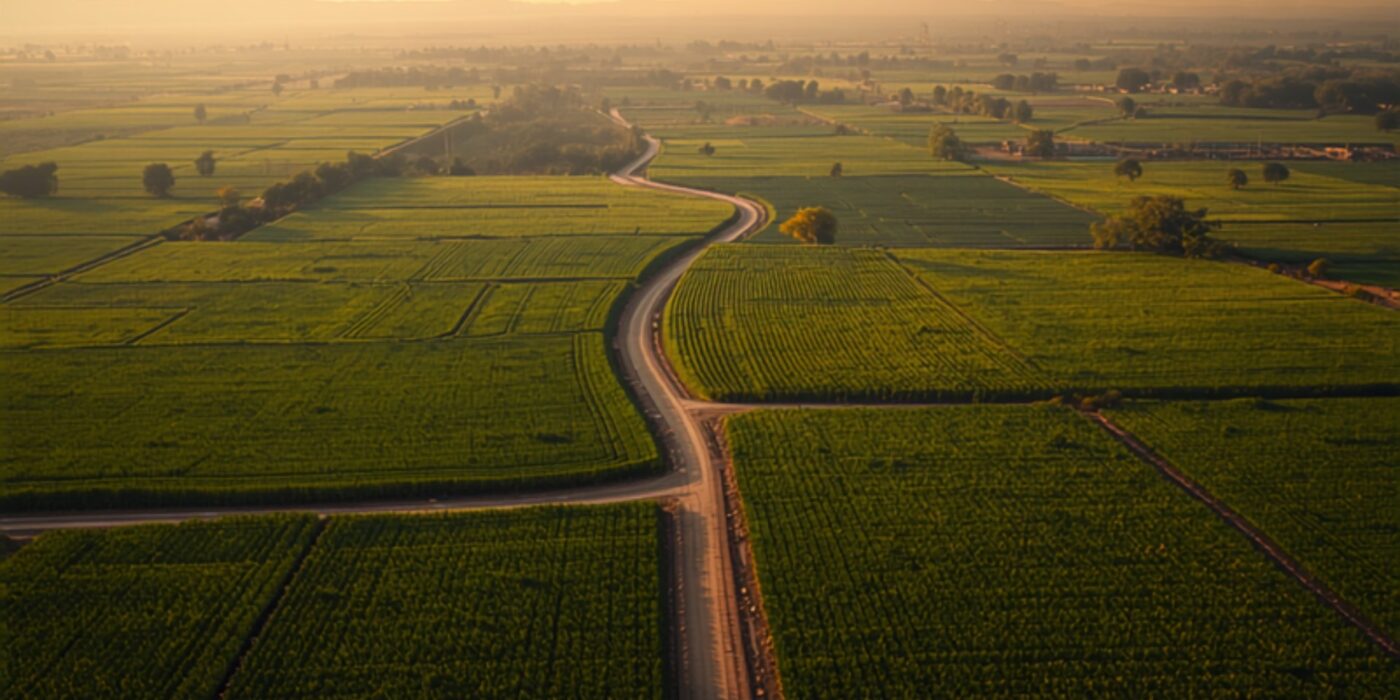
“Visual representation of Mumbai 3.0 highlighting smart infrastructure, decentralised urban growth, and sustainable city planning.”
CategoriesLand Investment Mumbai 3.0 tips & tricks

Prime Land Investment Opportunities Near Panvel Airport and Mumbai 3.0 in 2025

Prime Land Investment Opportunities Near Panvel Airport and Mumbai 3.0 in 2025

Introduction

The real estate landscape around Panvel Airport and the emerging Mumbai 3.0 urban corridor offers some of the most promising land investment opportunities in 2025. With transformational infrastructure projects like the Navi Mumbai International Airport and the Mumbai Trans Harbour Link driving connectivity and growth, investors have a unique chance to capitalize on rapidly appreciating land values in these strategic Mumbai Metropolitan Region hubs.

Why Panvel Airport Area is a Real Estate Hotspot

Panvel has become a beacon for real estate interest due to its close proximity (just 8 km) to the upcoming Navi Mumbai International Airport, set for phased operations starting in 2025. This airport isn’t just a transport hub; it’s a burgeoning economic ecosystem expected to boost residential, commercial, and industrial activity.

  • Land prices in Panvel have seen significant appreciation, currently averaging between ₹6,000 and ₹10,300 per sq ft.

  • Infrastructure like the Mumbai Trans Harbour Link reduces commute times to South Mumbai by 45 minutes, enhancing Panvel’s appeal.

  • Rental yields currently range from 2.8% to 3.5%, with capital appreciation as the primary investment driver.

  • Major developers like Adani and Godrej are launching large-scale projects, signaling strong confidence in Panvel’s future growth.

Understanding Mumbai 3.0 – The Next Urban Frontier

Mumbai 3.0, often referred to as the ‘Third Mumbai,’ encompasses areas like Panvel, Karjat, and Ulwe. These zones are earmarked for smart city developments, integrating residential, commercial, and industrial spaces supported by world-class infrastructure investments.

  • The region is benefiting from extended metro lines, improved rail connectivity, and major road projects like the Mumbai-Pune Expressway expansion.

  • Land prices here are significantly more affordable than in central Mumbai, with expected gains of 3 to 5 times over the next decade.

  • The strategic location between Mumbai and Pune, coupled with government and private sector investments, makes it a magnet for medium to long-term investors.

Investment Advantages and Future Outlook

The Panvel and Mumbai 3.0 region offers several compelling advantages:

  • Superior connectivity with multiple transit options.

  • Increasing demand from airport-related business hubs and a growing white-collar workforce.

  • A cleaner, greener environment with accessible natural sites like Karnala Bird Sanctuary.

  • Availability of diverse land parcels—agricultural, plotted developments, and ready-to-build residential zones.

  • Anticipated land price growth of 15% to 25% annually in key pockets.

How to Invest Smartly in Panvel and Mumbai 3.0

  • Prioritize due diligence—verify legal titles, RERA registration, and builder credibility.

  • Understand zoning and master plans by authorities like CIDCO and MMRDA.

  • Consider investing during pre-launch or early launch phases to maximize returns.

  • Engage with local experts or consultation services for updated market insights and plot availability.

Conclusion

With the confluence of world-class infrastructure, robust growth drivers, and strategic location advantages, land investments near Panvel Airport and Mumbai 3.0 stand out as some of the best real estate opportunities in 2025. Early investors can enjoy substantial capital appreciation and attractive rental returns as this corridor evolves into a premier destination for living, business, and industry. Explore available plots today and position yourself to reap the rewards of Mumbai’s next growth frontier.

Ready to invest in the Mumbai 3.0 corridor? Discover Edge County Estate — 6 exclusive eco-luxury villas in Karjat by THE EDGE Developments. Clear-title NA plots, RERA compliant, 55 minutes from Navi Mumbai Airport. View the project →

EDGE_INTERNAL_REPLACE_REMOVE_NEXT_SENTENCE

Mumbai’s next growth frontier

visual representation of mumbai 30 highlighting smart infrastructure decentralised urban growth and sustainable city planning
Why Most Investors Regret Buying Land Without a Town Planning Map
CategoriesLand Investment tips & tricks

The Real Cost of Ignoring Land Zoning

The Real Cost of Ignoring Land Zoning

Chapter 1: A Dream Turned Nightmare

You invest your hard-earned savings in a peaceful riverside villa. You build your dream weekend home. You decorate it, host your first barbecue, and plan to retire there. And then one day, the bulldozers arrive.

No warning. No negotiation. Just rubble in minutes.

This wasn’t a movie. This is what 36 families near the Indrayani River in Chikhali, Pune experienced in May 2025.


Chapter 2: What Really Happened

A premium plotted development project named “River Villa” sold bungalows along the scenic Indrayani River. The location was advertised as serene, scenic, and exclusive.

But what the buyers didn’t know — or were not told — was this:

👉🏽 Their plots were inside the Blue Flood Line Zone, a legally protected floodplain. 👉🏽 Construction in this zone is strictly prohibited due to environmental and safety regulations. 👉🏽 The land fell under a high-risk flood-prone category.

Despite repeated notices from the PCMC, developers and buyers continued construction.

Eventually, the National Green Tribunal (NGT) ordered demolition and imposed a ₹5 crore environmental penalty on the owners.

The case reached the Supreme Court, which upheld the NGT order.

And on a hot morning in May 2025, 36 families watched their homes being reduced to dust.


Chapter 3: But They Had Documents… Right?

Some residents claimed:

“We had sale deeds. We paid stamp duty. How can it be illegal?”

Here’s the harsh truth:

✅ A sale deed doesn’t always mean legal construction rights. ✅ Stamp duty paid doesn’t mean the land is developable. ✅ Many were misled by developers who either ignored or hid zoning restrictions. ✅ Some even said local authorities gave verbal clearance — without paperwork.

This is where most investors failthey confuse ownership with development rights.


Chapter 4: Understanding Zoning – The Invisible Line Between Profit and Penalty

In India, every piece of land falls under zoning regulations defined by:

  • The Development Plan (DP) of the city
  • Flood line maps (Red line and Blue line zones)
  • Forest, CRZ, Green Belt, or Eco-sensitive zones
  • Residential, Commercial, Industrial, or Agricultural use
  • And in some areas, NAINA or CIDCO influence zones

Even if the land is “NA (non-agriculture)”, it may not be buildable if it’s inside a restricted buffer like:

  • Blue flood line (rivers, streams)
  • CRZ zones (coastal regulation)
  • No Development Zones (NDZs)
  • Slope-protected hill zones

Zoning is not about ownership — it’s about use.


Chapter 5: The Cost of Ignorance

Let’s be blunt.

  • People lost lakhs in construction and interiors
  • They now face fines from environmental authorities
  • And possibly criminal proceedings against developers
  • Most cannot sue because they signed agreements without legal vetting

This case will be quoted in real estate circles for years — as a classic example of buyer unawareness meeting developer greed.


Chapter 6: What You Should Learn (Before You Buy Land)

Whether you’re buying in Chowk, Pali, Alibaug, or Pune outskirts — follow these 7 non-negotiable steps:

✅ 1. Get a Zoning Certificate

Ask the local planning authority for zoning classification of the plot.

✅ 2. Demand a Floodline Report

Check if the land is inside the red or blue line. This is public information.

✅ 3. Don’t Rely Solely on NA

NA status just means non-agriculture. It doesn’t mean all construction is allowed.

✅ 4. Hire a Land Lawyer

Spend ₹10,000 to save ₹10 lakh later. Always do title search, mutation check, and zoning compliance.

✅ 5. Request a DP Sheet

Development Plan maps are available online or via RTI. Learn how the city classifies the plot.

✅ 6. Check for NOCs

For riverside, hill zone, forest zone, CRZ — you need specific NOCs before building.

✅ 7. If It Sounds Too Scenic… It Might Be Too Risky

Beware of “riverfront”, “hill view”, and “jungle-facing” plots that are priced below market. Ask: Why?


Chapter 7: Final Thought — Don’t Buy Views. Buy Legality.

In real estate, everyone wants that Instagrammable view. But unless the land under it is legally usable — it’s just a very expensive photo backdrop.

We often say: “Buy early, before the brochure hits the market.” But maybe it’s time we said: “Buy wisely, before the bulldozer hits the plot.”


💬 Have you faced misleading land information before? Let’s talk about how to protect ourselves as investors.

#ZoningMatters #IndrayaniDemolition #FloodlineAwareness #LandInvestmentIndia #GirishChhalwaniWrites #NAPlots #LandBuyingTips #DueDiligence #UrbanPlanning #RiverfrontRealEstate #PCMC #PuneRealEstate

Guide to avoiding common land investment mistakes in India — due diligence, zoning, and legal checks for safe land buying
CategoriesLand Investment tips & tricks

5 Mistakes People Make While Buying Land in India

5 Mistakes People Make While Buying Land in India

Introduction:

Buying land in India can be a lucrative investment, but the process is far from simple. Many investors, especially first-timers, fall into common traps that can cost them dearly. Whether it’s a scam, title dispute, or wrong investment location, the risks are high. In this article, we will discuss the 5 most common mistakes people make when buying land in India and, more importantly, how to avoid them.


Mistake #1: Ignoring Legal Due Diligence

The Risk: One of the biggest mistakes people make when buying land is skipping proper legal checks. Land purchases in India can involve complex regulations, and overlooking the legalities of the property can result in hefty fines or even losing the property entirely. Title disputes, encumbrances, or illegal ownership claims can severely affect your investment.

How to Avoid It: Always ensure that the land has clear legal title. Verify the land’s ownership history and check for any pending dues or legal cases. It’s highly recommended to consult with a real estate lawyer to examine the legal documents before making any transaction.


Mistake #2: Not Researching the Land’s Zoning and Land Use

The Risk: Land is often sold with specific zoning requirements and land use restrictions. If the land you’re interested in is meant for agricultural use, converting it to residential or commercial use might not be possible without government approvals. This can delay or completely halt any development plans you might have.

How to Avoid It: Check the zoning laws and land use before purchasing land. Visit the local municipal authority or revenue department to confirm whether the property can be used for your intended purpose. Research if the land is within industrial zones, agricultural zones, or residential zones.


Mistake #3: Overlooking the Area’s Future Development Potential

The Risk: One of the biggest reasons people invest in land is for future appreciation. However, buying land in an area with little to no future infrastructure development or growth potential is a sure way to watch your investment stagnate. Many investors focus solely on the land’s current value and miss out on future developments that can significantly increase the land’s value.

How to Avoid It: Always consider the future potential of the area. Research whether new infrastructure projects, such as roads, metro lines, airports, or commercial developments, are planned in the vicinity. Areas with developing infrastructure tend to appreciate much faster over time.


Mistake #4: Not Factoring in Land Maintenance and Upkeep Costs

The Risk: While land might seem like a low-maintenance investment, land upkeep costs can quickly add up, especially in remote or agricultural areas. Issues like water supply, irrigation, security, and fencing can become recurring costs that eat into your profit margins.

How to Avoid It: Before purchasing, evaluate the costs of maintaining the land. Consider factors like accessibility, proximity to basic amenities, and security. If the land is in an area that’s difficult to reach or prone to encroachments, make sure to plan for extra costs to keep the land in a usable condition.


Mistake #5: Rushing the Process and Skipping Negotiation

The Risk: Many buyers are so eager to close a land deal that they rush through the negotiation process, accepting the seller’s terms without pushing for a better deal. Land prices can be negotiated based on several factors, including market trends, the seller’s urgency, and land condition. Rushing through the transaction can cost you a better price or cause you to miss out on more profitable land opportunities.

How to Avoid It: Take the time to negotiate the price and terms of the deal. Don’t accept the first offer, especially if it seems too high. Research similar properties in the area and use this data to your advantage when discussing price with the seller. Patience and negotiation can help you save a lot of money in the long run.


Conclusion:

Buying land can be one of the best investments you can make, but only if you avoid these common mistakes. Proper due diligence, legal checks, understanding zoning laws, evaluating the land’s future potential, and negotiating the price can help ensure that your land purchase is a sound investment.

By being cautious and well-informed, you can maximize the value of your investment and enjoy the long-term benefits of owning land

Undervalued Land in India
CategoriesLand Investment tips & tricks

The Hidden Goldmine: How To Spot Undervalued Land

Land is one of the most stable and lucrative investments in India. But what if you could spot the undervalued properties before the market catches on? Many investors often miss out on land that could significantly appreciate due to lack of knowledge, intuition, or research. In this article, I’ll show you how to identify undervalued land that has the potential to become a hidden goldmine. 🏞️✨


Tip #1: Look for Areas with Upcoming Infrastructure Projects

The Opportunity: Infrastructure projects like new highways, metro lines, commercial developments, and industrial zones have a significant impact on land values. If you can spot areas where these projects are in the planning or early development stage, you can buy land at a fraction of the price before the prices skyrocket.

How to Spot It: Keep an eye on government announcements, news about regional planning, and local infrastructure upgrades. You can also consult with municipal authorities and track long-term plans from urban development authorities.


Tip #2: Research the Land’s Historical Price Trend

The Opportunity: Understanding how the land’s price has evolved over time can help you identify when it is undervalued. If the price has remained flat or grown slowly over the years, it could be a sign that the land is due for a price surge.

How to Spot It: Use land price data from real estate websites, talk to local agents, or consult with property experts in the area. Compare the land prices in the region with nearby locations to assess whether it’s priced fairly or undervalued.


Tip #3: Identify Areas with Underdeveloped Potential

The Opportunity: Some areas in India are underdeveloped but hold huge future potential. These might be in rural or semi-urban areas that are just beginning to see interest from developers, businesses, or tourists.

How to Spot It: Look for places that are just on the periphery of growing cities or near upcoming industrial zones. Keep an eye out for properties that are still agricultural but are near urbanization hubs. Land in these regions could eventually be rezoned for residential or commercial use.


Tip #4: Check Land Availability vs. Demand in the Area

The Opportunity: When there is low availability of land and high demand from developers or buyers, the land is likely to increase in value. If you spot areas with high demand but limited land, it’s a sign that there’s potential for growth.

How to Spot It: Monitor the real estate market for any surge in demand or developments in nearby areas. If there’s a rise in commercial activity or residential developments within a radius of a certain area, land there could quickly become a prime investment opportunity.


Tip #5: Understand the Regulatory Environment

The Opportunity: Regulatory frameworks significantly affect land value. A new urban master plan, changes in land use regulations, or improved land acquisition policies can turn undervalued land into a goldmine overnight.

How to Spot It: Research the local development plan (often referred to as the Master Plan) and stay informed about Zoning Regulations and government incentives. Be aware of any proposed changes that could increase land’s commercial value.


Conclusion:

Spotting undervalued land requires research, patience, and a keen eye for development trends. By understanding market dynamics and keeping an eye on areas with high potential, you can buy land at a low price and watch it appreciate significantly over time. Keep your strategy focused on long-term growth and market developments, and you’ll be well on your way to securing some of India’s best land investments.

Why Most Investors Regret Buying Land Without a Town Planning Map
CategoriesLand Investment tips & tricks

Why Most Investors Regret Buying Land Without a Town Planning Map

The Dream Deal That Turned Into a Dead End

A few years ago, a prominent businessman I knew bought 7 acres of land on the outskirts of Pune, near a river. Great price. Great location. Even the local agent said, “Sahab, ye toh golden plot hai!”

He had dreams of building a boutique villa community. The vision was strong. The money was ready. The land was technically clear.

But there was just one missing document: 👉 The Town Planning Map.

And that one missing detail cost him 3 years, ₹25 lakh in approvals, and ultimately, he had to abandon the plan. Why? The land was in a No Development Zone (NDZ). Construction: not permitted. Selling: difficult. Emotions: shattered.


Here’s the Truth Most Investors Don’t Know

Title clear ≠ Construction clear.

Even if the land is legally clean, it could be:

  • In a Green Zone 🌳
  • Part of a buffer or forest area 🌲
  • In flood-prone or CRZ zones 🌊
  • Or, like in this case, in a restricted development zone according to the Town Planning Department.

Most agents won’t tell you this. Many buyers don’t even know what to ask.


What Exactly Is a Town Planning (TP) Map?

A TP map is a zoning blueprint. It tells you:

  • Whether the land is residential, agricultural, commercial, or NDZ
  • The permissible FSI (how much you can build)
  • Upcoming road alignments, green belts, or infrastructure plans
  • Whether the area is part of a future development corridor or reserved land

It’s the Google Maps of your real estate future.


Even Builders Get Stuck

In the last 2 decades, I’ve seen reputed developers buy land on gut feel, local inputs, or “this area will boom soon” projections—only to realize the zoning didn’t allow what they wanted to build.

Some had to shelve plans. Others fought long battles with the authorities. Most just sat on dead capital.


Zoning > Location

We’re taught “location, location, location” is everything. But the modern mantra should be:

“Zoning, access, approvals.”

I’ve seen ₹50/sqft plots in legal residential zones outperform ₹500/sqft land in restricted areas.


Before You Buy That ‘Hot’ Land Parcel, Ask These:

  1. Where’s the Town Planning Map? (Get it from the collector’s office, municipal council, or development authority.)
  2. Is the land zoned for what I want to build?
  3. Is the road width and access as per norms?
  4. Is there infrastructure planned nearby—legally, not just through word of mouth?
  5. Can I verify this with a licensed architect or planning consultant?

Ask Before You Invest

If you’re planning to buy land for:

  • Investment
  • NA plotting
  • Weekend homes
  • Farmhouses
  • Joint ventures with developers

Then the Town Planning Map should be your FIRST checkpoint, not the last.

Don’t go by “kaagaz toh saaf hai.” Ask: Zoning kya bolta hai?

3 Key Takeaways

🔍 1. “Clear Title” is not enough—Zoning dictates your future. 📜 2. Always demand a Town Planning Map before even negotiating price. 🏗️ 3. Construction, resale, and returns—all depend on whether the land is legally developable.


💬 Over to You

Have you come across land investments that looked good but had zoning issues later? Let’s share, discuss, and help others avoid these costly mistakes.

👇 Drop your thoughts in the comments or share this with someone planning to invest in land. Let’s make real estate more transparent and intelligent—together.

Prove Land Ownership
CategoriesLand Investment tips & tricks

Why 7/12 Extract & Sale Deed Are NOT Enough to Prove Land Ownership

“Why 7/12 Extract and Sale Deed Are NOT Enough to Prove Land Ownership”

The Illusion of Ownership

I recently had a conversation with an investor who proudly told me: “Sir, I bought 10 acres. Full white money. Clean sale deed. The 7/12 extract is in my name. I’m safe.”

Unfortunately, he wasn’t.

Why? Because ownership in India is not always what it looks like on paper.

Even after 20 years in real estate, I still see buyers – even developers – fall into this trap.

The Reality: 7/12 + Sale Deed = Not Foolproof

In Maharashtra and many other states, the 7/12 extract (Saat Baara Utara) is a key document. It shows the landholder’s name, usage, and history. The sale deed is the contract between buyer and seller.

But these two alone do not guarantee rightful ownership. Why?

⚠️ Because they don’t reflect:

  • Pending litigation or disputes
  • Multiple heirs or contested inheritance claims
  • Encroachments or boundary issues
  • Old acquisition notices from government bodies
  • Zoning violations or CRZ/NOC issues
  • Forest land, tribal rights, or grazing land reservations

In short, they’re a piece of the puzzle, not the whole picture.


A Real Story: The “Clean” Land That Wasn’t

One developer in Raigad district bought 18 acres. Perfect paperwork — Sale deed ✔️ 7/12 ✔️ Lawyer NOC ✔️

Then came the shock. The land was under a PIL filed years ago regarding tribal claims. Now the project is stuck in court. He’s paid ₹3 crore and can’t even touch the soil.


So, What Should a Serious Land Buyer Do?

✅ 5 Must-Check Steps Beyond 7/12 and Sale Deed

  1. Legal Title Search (30–60 years)
  2. Mutation Records
  3. Encumbrance Certificate (EC)
  4. Survey + Demarcation
  5. Third-party Title Opinion

Takeaway: Buy Like a Developer, Not a Dreamer

Land is the only asset that doesn’t depreciate — but only when you own it in full legality.

Many people focus only on price per guntha or acre. The smart ones focus on legitimacy per document.


📌 Final Thought

Don’t be the next regret story. Before you invest lakhs or crores, invest time in due diligence.

DM me if you’re planning a land investment and want a pre-buying checklist we’ve built over years of real-world work.

Why Rich Buyers Prefer Second Homes in Nature—Not Luxury Towers Anymore
CategoriesEco Living tips & tricks Weekend Homes

Why Rich Buyers Prefer Second Homes in Nature

Why Rich Buyers Prefer Second Homes in Nature—Not Luxury Towers Anymore

There’s a significant shift happening in India’s high-end real estate market. HNIs (High Net-Worth Individuals) are no longer chasing luxury towers in metros — they’re choosing second homes nestled in nature.

Here’s why this trend is growing rapidly:

✅ 1. Post-Pandemic Lifestyle Reset

The pandemic changed how people value space, privacy, and wellness. Being stuck indoors made even the most luxurious apartments feel limiting. Buyers now want open land, natural surroundings, and freedom of movement.


✅ 2. Rise of Return on Experience (ROE)

Wealthy individuals are no longer only seeking ROI. They want ROE — Return on Emotions. Weekend homes offer peace of mind, wellness-focused living, and a connection with nature that high-rises simply can’t match.


✅ 3. Land Appreciation vs. Apartment Depreciation

Unlike high-rise apartments, plotted developments and land parcels have historically shown stronger appreciation over the long term. Second homes often double as smart long-term investments.


✅ 4. Privacy and Control

Second homes in nature provide full ownership and control — no society meetings, no shared elevators, and no overcrowding. It’s exclusive, personal, and often custom-built.


✅ 5. Shift in Definition of Luxury

Modern luxury is no longer about chandeliers and concierge desks. It’s about silence, space, fresh air, and self-sustainability. Nature offers a sense of exclusivity that even the most expensive buildings can’t replicate.


✅ 6. Better Inheritance Value

HNIs increasingly see land or second homes as long-term legacy assets. They offer emotional and tangible value to the next generation — unlike urban apartments with rising maintenance and depreciating interiors.

✅ 7. Emerging Hotspots Near Metros

Places like Alibaug, Karjat, Pali, Lonavala, Neral, and Mulshi are seeing a surge in second home developments. Proximity to Mumbai and Pune combined with upcoming infrastructure projects (like new expressways and rail links) are making these destinations highly attractive.


🎯 Conclusion:

The definition of aspirational real estate is evolving. India’s wealthy are no longer chasing sky-high apartments — they’re investing in serenity, space, and sustainability.

Mumbai's real estate future — land investment and development insights by THE EDGE Developments
CategoriesMarket Insights tips & tricks

A Billion-Dollar Signal to Mumbai’s Real Estate Future

Reliance x Trump:“What happens when India’s most powerful conglomerate shakes hands with one of the world’s most polarizing luxury brands?

The Big News: Reliance + Trump Organization = A New Real Estate Narrative

Let’s start with the headlines. Reliance 4IR Realty (a Mukesh Ambani-backed arm of Reliance) is officially joining forces with the Trump Organization in a deal that has already sent ripples through the Indian real estate world.

➡️ A $10 million development fee has been inked for a Trump-branded project in Mumbai.

That’s right — the Trump brand, which has already marked its presence in Pune, Gurgaon, and Kolkata, is now stepping into India’s most lucrative real estate market, backed by the country’s most formidable business empire.


👀 Let’s Zoom Out: Why This Matters (More Than You Think)

This isn’t just a flashy brand move.

This deal signals the arrival of a new class of Indian real estate — one where branding, luxury, and international perception matter as much as floor space and location.

It’s a move where:

  • Reliance brings land, power, and trust
  • Trump brings aspiration, design legacy, and international luxury appeal

And Mumbai? It becomes the playground for what branded luxury real estate in India will look like over the next 10 years.

🧭 The Backdrop: Where Mumbai’s Market Is Headed

Over the past decade, Mumbai has seen:

  • Soaring demand for ultra-premium homes post-pandemic
  • A 2x spike in luxury home sales above ₹10 Cr between 2021–2024
  • The rise of global brands like Four Seasons Residences, Ritz-Carlton Residences, and now… Trump Towers

Mumbai isn’t just India’s financial capital anymore — it’s becoming Asia’s next global residential icon. And every power brand wants a stake.

🎯 Why This Deal Hits Different

1. It’s Not Just Housing, It’s Identity

Buyers aren’t just buying a square foot; they’re buying a statement. Living in a Trump x Reliance tower isn’t just about amenities — it’s about status, brand association, and global lifestyle.

2. Reliance Is Entering Real Estate Big-League

Reliance has previously tested waters in commercial leasing (think Jio World Centre). But now, they’re entering the residential and branded luxury space — and they’re not starting small.

This signals a shift: from infrastructure players to lifestyle curators.

3. Trump Is Doubling Down on India

India is already Trump Org’s largest market outside the US — with completed and upcoming projects in:

  • Pune
  • Kolkata
  • Gurgaon
  • And now, Mumbai

Even as Trump’s brand draws criticism in some Western countries, in India it retains aspirational value — especially among affluent buyers.


🧠 What Should Industry Pros Take Away?

🔹 Developers: Welcome to the age of experience-led real estate. It’s no longer enough to offer premium specs — you need global positioning. 🔹 Brokers & Channel Partners: Branded inventory = higher margins. Learn to pitch brand story as much as ROI. 🔹 Investors: These projects tend to hold value better during market shifts due to built-in global appeal. 🔹 Homebuyers: You’re entering a space where perceived value will heavily shape resale and rental value.


📊 What Might This Look Like on the Ground?

Let’s speculate with insights:

  • Location: Likely a South or Central Mumbai redevelopment — given Reliance’s ongoing ties with older mill lands and real estate SPVs
  • Typology: Ultra-luxury residential towers + curated retail + maybe even a business centre
  • Pricing: Think ₹1.5–3 lakh/sq ft — if branded well and located smartly
  • Design Language: Grand lobbies, curated art, private concierge, sustainability integrations, international interior firms

⚖️ But Let’s Be Honest: Is This All Rosy?

Not entirely.

The Trump brand, while aspirational for many, also comes with political baggage globally.

Additionally, branded homes in India are still a niche. Not all buyers value international logos if fundamentals like maintenance, location, or community aren’t top-tier.

That said — this isn’t for the masses. It never was.

It’s aimed at:

  • NRIs
  • Global citizens
  • Dollar-earners
  • India’s top 1%

And they’re ready to pay for experience and association.


🧩 Final Thought: What’s Really at Stake?

This deal is not just about homes. It’s about redefining Mumbai’s international image.

It’s about turning Mumbai into a Dubai–Singapore–NYC hybrid, where global brands, Indian ambition, and architectural storytelling come together.

We’re watching the future of Indian real estate get stitched together — one branded skyscraper at a time.


📣 Your Turn

💬 What do you think of this Reliance-Trump deal? 💥 Do you believe branding is the next big thing in real estate? 🔁 Would you invest in a Trump-branded apartment in Mumbai?


Realty Index H1 2025: What the Numbers Reveal About India’s Real Estate Cycle
CategoriesMarket Insights tips & tricks

Realty Index: India’s Real Estate Cycle 2025

1. Nifty Realty Index Snapshot

  • May–June Rally: +20% surge since May 9, 2025 — top-performing sector
  • June Month: +9.4%, compared to the broader Nifty’s +0.5%
  • 6-Month View (Dec–Jun): Holds steady (~990–1014 range) after volatility on rate-cut hopes

Market Takeaway: Two index drivers—RBI rate cuts (50 bps) and improved credit & infra outlook—ignited strong short-term rallies, even as volatility persists.

Why this rally is different? 🏘️ Inventory is drying up 🛣️ Infra projects (Navi Mumbai Airport, metro lines, highways) are reshaping micro-markets 💸 NRI + institutional money is flowing in 📉 Interest rate stability adds more firepower

Is it the top? Or just the midpoint of a longer bull run? While some expect cooling, smart money is shifting into: – Land aggregation (Mumbai 3.0, NCR peripheries) – Grade A commercial spaces – Mid-income housing – Plotted development & second homes

🚀 2. Developers’ Performance (Apr–Jun 2025)

Developer 6-Month Return*Key Drivers

Prestige Estates–4.4%Q4 sales miss & cautious guidance despite long-term optimism

Sobha Ltd–3.4%After a 35% correction over six months; Q4 margin recovery lifted sentiment Others (DLF, Lodha, Oberoi, Godrej)+15–30%Riding sector-wide momentum and developer-specific wins

*Sobha and Prestige are the only mid/large players in the negative territory over six months. Others have shown 15–30% gains.


📰 3. Quarterly Highlights Q4 FY25

  • Prestige Estates reported a 6% net loss despitestable top-line; share price down due to cautious commentary
  • Sobha Ltd posted 62% revenue growth and 481% YoY PAT increase, lifting investor sentiment and a 10% monthly bounce
  • Phoenix Mills, DLF, Lodha, and Oberoi continued uptick on strong leasing, launch pipelines, and disciplined delivery.

💡 4. What This Data Tells Us

  1. Liquidity & Rate Cuts Matter – RBI cuts in June released~₹2.5 tn liquidity, supporting realty beats
  2. Luxury & Residential Still Leading – Developers with strong mid-premium to luxury pipelines outperform.
  3. Organized Structure Wins – Listed players with financial discipline and transparent reporting are favorites, while Sobha and Prestige lag after short-term shocks.
  4. Volatility Exists – Rapid gains are possible—but QoQ caution can drag stocks even for top-tier players.

🎯 5. Strategic Takeaways

For Homebuyers & Investors:

  • Track stock performance of your builder before buying.
  • Spot volatility as opportunity—a dip may mean the best buying moment (e.g., Sobha, Prestige).
  • Look for quarterly recovery calls—Sobha’s Q4 result is textbook.

For Real Estate Professionals:

  • Use these data points in investor presentations and client advisories.
  • Highlight quarterly wins and sentiment-linked pricing cycles to clients.

✅ Final Reflections

The Nifty Realty Index and share-level performances don’t just track returns—they map real estate confidence, execution discipline, and strategic resilience in India’s evolving market.

Whether you’re buying a home or planning investment, aligning your moves with this data-backed realty cycle can make all the difference.


🗨️ What’s your take? Do you track realty stocks before buying a property? Which developer’s volatility surprised you? 👇 Comment below — let’s decode real estate beyond square feet

Mumbai 3.0 growth corridor showing satellite towns and real estate investment zones near Mumbai
CategoriesMumbai 3.0 tips & tricks Weekend Homes

Mumbai’s Satellite Towns: The New Power Zones

We invite you to journey with us to Chowk-Karjat, a once-sleepy junction nestled amid the scenic landscapes of Maharashtra. For years, it was a tranquil weekend retreat where city dwellers escaped for brief respites. Today, however, it is transforming before our eyes into something far grander—a vibrant eco-luxury corridor that harmoniously blends nature’s serenity with the pulse of modern infrastructure and lifestyle.

The Shift in How We Choose Homes

We have all noticed how the pandemic changed our relationship with our homes. What was once just a place to sleep became our sanctuary, workspace, and wellness zone. This shift sparked a nationwide surge in demand for second homes—sanctuaries away from the city bustle, where fresh air and open horizons promise a better quality of life.

Here in Chowk-Karjat, this trend is palpable. We have seen buyers and investors alike flock to this corridor, drawn by the promise of eco-friendly living, wellness-focused amenities, and the chance to connect with nature daily. What excites us even more is how Chowk-Karjat is not only a weekend hideaway anymore but is fast becoming a favored choice for first-home seekers. It is no longer just about occasional escapes; it is about building a future and a community.

Transforming Connectivity — Bringing Us Closer

We marvel at the spectacular infrastructure developments that have rewritten the rules of accessibility. Consider the Atal Setu, India’s longest sea bridge, which dramatically cut travel time from South Mumbai to Chowk-Karjat to just about 75 minutes. What before took more than two hours is now less than a comfortable drive.

And the journey continues with the massive investment in the ₹4,500 crore JNPT-Chowk Highway. This six-lane corridor is more than a road; it is a lifeline weaving tourism, business, and residential life together. The impending Navi Mumbai International Airport adds yet another vital link, promising economic and employment boons that ripple through the region.

Together, these projects redefine Chowk-Karjat’s accessibility, opening its doors wider to residents, investors, and weekend visitors alike.

Breathing Easy — The Wellness Edge

We often hear city-dwellers yearning for cleaner air, tranquil surroundings, and a slower pace. At Chowk-Karjat, the Air Quality Index stands proudly at 54, marked as “Good.” This is more than a statistic—it is a testament to the region’s promise of wellness, health, and rejuvenation.

Imagine waking up to fresh air, spending mornings walking along riverside paths or hiking lush trails, and evenings under star-lit skies. This is the lifestyle that Chowk-Karjat offers, attracting wellness seekers, elder communities, and those who embrace eco-conscious living.

Hospitality and Fine Dining Growth

We celebrate the rapid expansion of luxury hospitality and curated dining that marks Chowk-Karjat’s rise. Leading the hospitality scene are notable establishments like Radisson Blu Plaza Resort & Convention Centre, The Forest Club Resort, U Rivergate Karjat, and Oleander Farms. These venues offer more than just accommodation—they provide convention facilities, riverside stays, and boutique experiences that make every visit memorable.

The culinary landscape has also blossomed. Dining options such as Saltt Restaurant & Bar, Common House, Saltt Coffee House, Deewan Khana, and Saffron deliver gourmet and artisanal experiences that rival those of more established destinations. This impressive combination has elevated Chowk-Karjat’s image from a rustic weekend spot to a refined, luxury lifestyle destination.

Social Infrastructure for Everyday Living

We appreciate how Chowk-Karjat has matured into a socially self-sufficient hub beyond its scenic allure. Established schools like Hiranandani School (Fortune City) and Reliance Township, complemented by upcoming international schools, ensure quality educational access for families. Healthcare needs are supported by prominent institutions including Dhirubhai Ambani Hospital, alongside local clinics and wellness centres.

Retail requirements are met seamlessly through outlets such as DMart, boutique stores, and local markets, making daily life convenient. Additionally, recreational amenities abound including trekking trails, golf courses, riverside walks, and vibrant cultural centres that foster community connection and enjoyment.

Investor and NRI Interest

We recognize the heightened interest from non-resident Indians and savvy investors who seek long-term property appreciation combined with premium lifestyle options. Chowk-Karjat’s strategic location between Mumbai and Pune, paired with its growing luxury offerings, makes it a hotspot for discerning buyers.

Celebrity and industrialist investments have further amplified its aspirational appeal, reinforcing Chowk-Karjat’s position as Maharashtra’s luxury real estate frontier.

Investing in Tomorrow — Growth and Opportunity

It is impossible not to notice the buzz from investors and NRIs recognizing Chowk-Karjat’s potential. With forecasted property appreciation of 25-30% in the next three to five years, this corridor promises significant returns alongside lifestyle benefits. Celebrity endorsements and industrialist investments have added shine and credibility to this burgeoning real estate market.

Looking ahead, government initiatives underscore Chowk-Karjat’s sustainable growth—smart city developments, renewable energy hubs, metro expansion, and water management policies working in tandem to create a resilient and liveable future.

Vision 2030 — A Lifestyle Capital

What will Chowk-Karjat look like in a few years? We envision an integrated township where eco-luxury villas coexist with wellness hubs, branded residences, and cultural tourism experiences. By 2030, this corridor is set to become Maharashtra’s lifestyle capital, where investment opportunity meets the promise of high-quality living.

Closing Thoughts

As we stand witness to Chowk-Karjat’s exciting evolution, we recognize it as more than a location—it is a narrative of transformation and hope. From a quiet weekend escape to a future-ready, commuter-friendly eco-luxury corridor, it invites us all to imagine a life enriched by nature, connectivity, wellness, and community. Together, we step into this promising chapter, ready to embrace the best that Maharashtra has to offer.

Understanding the bigger picture: Chowk-Karjat sits at the heart of the Mumbai 3.0 growth story. Read our full guide: What Is Mumbai 3.0? The Vision Redefining Urban Growth in MMR — the definitive explainer on India’s next urban frontier.