

Tribal forest village among dense trees in Maharashtra
CategoriesLand Investment

Tribal Land Records: Form 7E/12E and Bawankule’s 2026 Push for Accurate Adivasi Land Documentation

Key Takeaways

  • Forms 7E/12E are specialized land record formats used to document landholdings in Scheduled Tribe (Adivasi) areas, where protections under tribal land laws restrict transfer to non-tribal parties.
  • Revenue Minister Chandrashekhar Bawankule’s 2026 initiatives include a focus on ensuring tribal land records accurately reflect current holders and protected status, reducing disputes and unauthorized transfers.
  • Land in areas covered by tribal land protections carries significant restrictions on sale to non-tribal buyers, and verifying this status accurately is essential before any transaction is even considered.
  • Buyers should treat any land in or near recognized tribal belts with particular caution, independently confirming its classification rather than relying solely on a seller’s or broker’s representation.

Reading time: 7 min | Last updated: July 2026 | By Girish Chhalwani, Founder & CEO, THE EDGE Developments

Maharashtra’s Revenue Department has intensified focus on the accuracy of tribal land records — documented through specialized formats like Form 7E/12E in Scheduled Areas — as part of Minister Chandrashekhar Bawankule’s broader 2026 land record reform agenda. These records exist because land held by Scheduled Tribe members in designated areas is subject to specific legal protections restricting transfer, and keeping these records accurate is essential both for protecting tribal land rights and for preventing land buyers from inadvertently entering into legally void or contestable transactions.

What Are Forms 7E/12E?

In areas notified under tribal land protection provisions, land records maintain specialized annotations or forms (referenced here as 7E/12E, reflecting extensions of the standard 7/12 framework specifically for tribal-held land) that document the tribal status of the recorded holder and any applicable transfer restrictions. These exist alongside the standard 7/12 system but carry additional legal weight regarding whom the land can be transferred to.

Why Transfer Restrictions Exist

Under laws designed to protect tribal communities from land alienation, land held by Scheduled Tribe members in Scheduled Areas generally cannot be freely sold to non-tribal buyers without specific government permission, and in many cases, such permission is granted only in narrow, defined circumstances. This protective framework aims to prevent historically vulnerable tribal landholders from losing land through distress sales or exploitative transactions.

Why Bawankule’s 2026 Push on This Matters

Issue Being Addressed Impact
Outdated or inaccurate tribal status records Can lead to genuine disputes over whether protections apply, or fraudulent transactions exploiting record gaps
Unauthorized or informal transfers Land changing hands outside legal protections, often to the detriment of the original tribal holder
Buyer uncertainty Prospective buyers unknowingly entering agreements for land that cannot be legally transferred to them

“Tribal land protections exist for good reason, and they’re not a technicality to work around — they’re a hard legal restriction. Any time land near a tribal belt looks unusually cheap or the seller is vague about documentation, that’s exactly when to slow down and get independent verification of the land’s classification before going any further.” — Girish Chhalwani, Founder & CEO, THE EDGE Developments

What Buyers Should Do

  1. Determine whether a plot of interest falls within a Scheduled Area or is otherwise subject to tribal land protection provisions.
  2. Independently verify the land’s recorded status directly with the local Talathi or Tehsildar office rather than relying on seller representations alone.
  3. If tribal land protections apply, understand that transfer to a non-tribal buyer may require specific government permission and is not a straightforward transaction — consult a lawyer experienced in tribal land law before proceeding.
  4. Treat any pressure to close quickly on land near tribal areas as a reason for more scrutiny, not less.

How This Connects to Maharashtra’s Wider Special-Category Land Reforms

Forms 7E/12E aren’t the only special-category land documentation getting closer scrutiny under the 2026 reform agenda. Devasthan Inam land — historically granted to temples and religious trusts — carries its own distinct transfer restrictions and has faced similar historical documentation gaps. Both categories share a common thread: land that is legally protected or restricted, but where the protection only functions if the underlying records are kept accurate and current. When records lag, a well-meaning legal protection can quietly erode — informal transfers happen anyway, boundaries blur, and by the time a dispute surfaces, reconstructing the true chain of ownership and eligibility becomes far harder than it should be.

For buyers, the practical lesson from both categories is the same: any land carrying a special legal classification — tribal, religious trust, or otherwise — deserves a materially higher level of scrutiny than a standard freehold plot. The paperwork burden is heavier, the permissions required are narrower, and the consequences of getting it wrong are more severe (a legally void transaction, not just a slow one). Rather than treating this as a deterrent, the more useful frame is that these categories require a different due-diligence checklist entirely — one that starts with confirming the land‘s legal category before any other verification step, since everything downstream depends on that answer.

As Maharashtra’s Revenue Department works through these accuracy pushes across multiple special land categories simultaneously, buyers evaluating land in tribal belts, near religious institutions, or in other historically under-documented categories should expect the verification bar to keep rising — a trend worth factoring into timelines for any transaction involving this kind of land.

FAQ

What are Forms 7E/12E?

They are specialized land record documentation used in Scheduled Areas to record tribal landholding status and applicable transfer restrictions, alongside the standard 7/12 framework.

Can non-tribal buyers purchase tribal-protected land in Maharashtra?

Generally, transfer to non-tribal buyers is restricted and requires specific government permission, granted only in limited circumstances.

Why is Bawankule focusing on tribal land record accuracy in 2026?

To reduce disputes, prevent unauthorized transfers, and ensure records accurately reflect tribal landholder status and legal protections.

How do I check if a plot is subject to tribal land protections?

Verify directly with the local Talathi or Tehsildar office, since this classification carries significant legal weight that shouldn’t be assumed from a seller’s representation alone.

What happens if I unknowingly buy tribal-protected land?

Such a transaction can be legally void or contestable, which is why independent verification before any agreement is essential.

Citations & Sources

  • Maharashtra Revenue & Forest Department, 2026 policy announcements
  • Maharashtra Land Revenue Code, 1966 — tribal land protection provisions

Related Reading

Considering Land Near a Tribal Belt? Verify Before You Commit

THE EDGE Developments checks land classification and transfer eligibility thoroughly before recommending any purchase. Talk to us first.

connect@theedgedevelopments.com | Phone: +91-9664662938

Farmer in paddy field holding documents at golden hour
CategoriesLand Investment

Farmer Proof Mandatory: Bawankule’s 2026 Directive on Landholding Documentation

Key Takeaways

  • Maharashtra Revenue Minister Chandrashekhar Bawankule has directed tighter enforcement of documentary proof of active farming status for landholders claiming certain agricultural land benefits and schemes.
  • The directive responds to concerns about benefits under agricultural schemes being claimed on land where the “farmer” status of the recorded holder is unclear or unverified.
  • Landholders should ensure their 7/12 extract, cropping pattern records, and any scheme-specific documentation are current and consistent, since verification is being emphasized at the point of benefit disbursal.
  • For land buyers, this signals continued regulatory attention on ensuring agricultural land classification and usage records are accurate and up to date, not just historically filed.

Reading time: 6 min | Last updated: July 2026 | By Girish Chhalwani, Founder & CEO, THE EDGE Developments

Maharashtra’s Revenue Department under Minister Chandrashekhar Bawankule has moved to tighten verification of “farmer proof” — documentary evidence of genuine agricultural activity — for landholders seeking benefits tied to agricultural land status. The push reflects a broader 2026 pattern from the Revenue Ministry of strengthening the accuracy and verifiability of Maharashtra’s land records, an effort that touches everyone from smallholder farmers claiming scheme benefits to land buyers relying on the accuracy of agricultural classification.

What the Directive Covers

The core thrust of the directive is straightforward: landholders seeking to access schemes, subsidies, or benefits contingent on active agricultural use should be able to substantiate that status with consistent documentary evidence — primarily the 7/12 extract’s recorded cropping pattern, alongside any additional scheme-specific proof required by the administering department. This is aimed at reducing instances where land is recorded as agricultural, and benefits are claimed accordingly, without the underlying cultivation activity being genuine or current.

Why This Matters Beyond Direct Scheme Beneficiaries

Stakeholder Relevance
Active farmers Need to ensure 7/12 cropping records and supporting documentation are current and accurate to avoid disruption in scheme access
Land buyers evaluating agricultural land Reinforces the importance of checking that a seller’s recorded agricultural status and land use genuinely matches current ground reality
NA conversion applicants Consistent documentation history strengthens the credibility of any subsequent NA conversion application

“Every push toward tighter documentation standards from the Revenue Ministry is, in effect, a push toward land records that actually reflect ground reality. That’s good news for buyers doing due diligence — it means the paper trail is becoming more trustworthy over time, provided you’re still checking it carefully rather than assuming compliance.” — Girish Chhalwani, Founder & CEO, THE EDGE Developments

What Landholders Should Do

  1. Confirm the current 7/12 extract accurately reflects the crop and cultivation pattern for the relevant land.
  2. Gather any additional scheme-specific documentation that may be required alongside the standard land record.
  3. Address any discrepancies between recorded status and actual land use proactively with the local Talathi, rather than waiting for a benefit application to surface the issue.

How This Fits Maharashtra’s Wider 2026 Documentation Push

The farmer proof directive doesn’t exist in isolation — it’s one piece of a broader effort by the Revenue Ministry in 2026 to close gaps between what land records say on paper and what’s actually true on the ground. The same underlying logic applies to tribal land records under Forms 7E/12E, where accurate documentation of landholder status is equally central to preventing disputes and unauthorized transfers. In both cases, the government’s position is that a land record is only useful if it’s kept current — a status recorded a decade ago and never revisited is a liability, not an asset, for the landholder and for anyone transacting with them.

For agricultural landholders specifically, this means the days of treating a 7/12 extract as a “set it and forget it” document are ending. Crop patterns change, land gets subdivided among heirs, and cultivation sometimes lapses entirely when a family member moves away for work — all of which can leave the recorded cropping pattern out of step with reality. Under the new emphasis on verification, that gap is no longer a paperwork inconvenience; it’s something that can actively block access to a scheme benefit at the moment it’s needed most. The practical takeaway for any landholder is to treat the 7/12 as a living document that needs periodic reconciliation with actual land use, not a one-time filing.

Buyers evaluating agricultural land should read this directive as a signal about where enforcement attention is heading generally — toward documentation accuracy as a first-order concern rather than an afterthought. A seller whose 7/12 cropping pattern hasn’t been updated in years, or whose land use has clearly diverged from what’s recorded, is a seller whose overall record-keeping discipline deserves closer scrutiny before you commit to a transaction.

FAQ

What is the “farmer proof mandatory” directive about?

It refers to Revenue Minister Chandrashekhar Bawankule’s push for tighter documentary verification of genuine agricultural activity for landholders seeking scheme benefits tied to farmer status.

What documents count as farmer proof?

Primarily the 7/12 extract’s recorded cropping pattern, along with any additional scheme-specific documentation required by the administering department.

Does this affect land buyers, not just current farmers?

Indirectly yes — it reinforces the importance of verifying that a seller’s recorded agricultural status genuinely matches actual land use before purchase.

What should I do if my land’s cropping record seems outdated?

Raise it proactively with the local Talathi office to update the record, rather than discovering the discrepancy during a benefit or scheme application.

Does this directive change how NA conversion applications are assessed?

It does not change the NA conversion process itself, but a consistent, up-to-date documentation history strengthens the credibility of any subsequent NA conversion application.

Citations & Sources

  • Maharashtra Revenue & Forest Department, 2026 policy announcements
  • Office of the Revenue Minister, Government of Maharashtra

Related Reading

Stay Ahead of Maharashtra’s Evolving Land Record Standards

THE EDGE Developments tracks every Revenue Department policy shift that affects land buyers and owners. Talk to us before your next transaction.

connect@theedgedevelopments.com | Phone: +91-9664662938

Laptop and documents on desk overlooking Maharashtra landscape
CategoriesLand Investment

Maharashtra Land Records Portals: The Complete Directory of Government Websites

Key Takeaways

  • Maharashtra’s land record ecosystem spans multiple independent government portals — no single website covers ownership records, registration history, valuation, and mapping all at once.
  • This directory lists every major portal a land buyer needs, organized by what each one actually does, so you know exactly where to look for a specific piece of information.
  • Bookmark this page as a reference — it links out to our detailed guides on each portal for step-by-step instructions.

Reading time: 8 min | Last updated: July 2026 | By Girish Chhalwani, Founder & CEO, THE EDGE Developments

Maharashtra land buyers need to work across several independent government portals, since no single website consolidates ownership, registration, valuation, and mapping data in one place. This directory organizes every major portal relevant to land due diligence in the state, along with what each one actually does and a link to our full guide on using it.

Ownership & Land Holding Records

Portal What It Provides
Mahabhulekh (bhulekh.mahabhumi.gov.in) 7/12 extract, 8A holding extract, mutation (E-Ferfar) status — read our 7/12 guide and 8A extract guide
Property Card System (via Mahabhumi/City Survey offices) Urban land ownership records (Malmatta Patrak) — read our Property Card guide

Registration & Transaction History

Portal What It Provides
IGR Maharashtra (igrmaharashtra.gov.in) Index II search, Encumbrance Certificate, registered document search — read our IGR Maharashtra guide and Encumbrance Certificate guide
eASR (via IGR Maharashtra) Ready Reckoner rate lookup for stamp duty calculation — read our Ready Reckoner rate guide

Mapping & Boundary Verification

Portal What It Provides
Bhunaksha Maharashtra (mahabhunaksha.mahabhumi.gov.in) Cadastral GIS maps showing plot shape and boundaries — read our Bhunaksha guide
MRSAC-derived zoning maps (via municipal/regional planning authorities) Development Plan and Regional Plan zoning classification — read our MRSAC zoning guide

Municipal Property Tax Portals

City Portal / Guide
Mumbai (BMC/MCGM) portal.mcgm.gov.in — read our guide
Pune (PMC) & Pimpri-Chinchwad (PCMC) Separate portals per corporation — read our guide
Thane, Nashik, Nagpur Independent municipal portals per city — read our guide

Land Use Change & Applications

Portal What It Provides
Aaple Sarkar (aaplesarkar.mahaonline.gov.in) NA (non-agricultural) conversion applications and other Revenue Department services — read our NA conversion guide

Special-Category Records

Category Reference
Unauthorized plotted layouts Gunthewari regularization status — read our guide
SRA redeveloped properties (Mumbai) Slum Rehabilitation Authority documentation — read our guide
Historical ownership tracing Old Ferfar mutation records — read our guide

“New buyers are often surprised there isn’t one single ‘Maharashtra land records’ website — it’s a patchwork of specialized portals, each doing one job well. Knowing which portal answers which question is half the battle in due diligence. This directory is the map we give every client before they start looking at land.” — Girish Chhalwani, Founder & CEO, THE EDGE Developments

How to Use This Directory

  1. Start with Mahabhulekh for basic ownership confirmation (7/12 or 8A).
  2. Cross-check with Bhunaksha for physical boundary verification.
  3. Search IGR Maharashtra for registration history and Encumbrance Certificate.
  4. Check eASR for the applicable Ready Reckoner rate before budgeting stamp duty.
  5. Confirm zoning via the relevant Development Plan/Regional Plan before assuming a specific use is permitted.
  6. If the land is agricultural and you plan to build, apply for NA conversion via Aaple Sarkar.
  7. Check property tax status on the correct municipal portal for the specific city.

FAQ

Is there one single website for all Maharashtra land records?

No — the state’s land record system is spread across multiple specialized portals (Mahabhulekh, IGR Maharashtra, Bhunaksha, municipal tax portals, Aaple Sarkar), each covering a specific function.

Where do I start when researching a plot of land in Maharashtra?

Start with Mahabhulekh for the 7/12 or 8A extract to confirm current ownership, then move to Bhunaksha for boundaries and IGR Maharashtra for registration history.

Which portal shows the current stamp duty valuation for a plot?

The eASR (electronic Annual Statement of Rates) section on the IGR Maharashtra portal shows the current Ready Reckoner rate.

Where do I check property tax dues in Maharashtra?

Each city has its own municipal corporation portal — BMC/MCGM for Mumbai, PMC/PCMC for Pune, and independent portals for Thane, Nashik, and Nagpur.

How do I apply for NA (non-agricultural) conversion?

Through the Aaple Sarkar portal under Revenue Department services, with the application processed by the local Collector or Tehsildar office.

Citations & Sources

  • Mahabhumi.gov.in — Maharashtra Department of Land Records
  • IGR Maharashtra — igrmaharashtra.gov.in
  • Aaple Sarkar — aaplesarkar.mahaonline.gov.in

Related Reading

Let Us Navigate the Portals for You

THE EDGE Developments handles the full due-diligence process across every relevant Maharashtra government portal, so you get a clean, verified answer, not a stack of separate lookups.

connect@theedgedevelopments.com | Phone: +91-9664662938

Old Mumbai chawl buildings beside new high-rise towers
CategoriesLand Investment

SRA Redevelopment Records: Checking Slum Rehabilitation Authority Documentation in Mumbai

Key Takeaways

  • The Slum Rehabilitation Authority (SRA) oversees redevelopment of slum land in Mumbai into formal housing, and units allotted under this scheme carry distinct documentation and resale rules.
  • SRA-allotted flats typically carry a lock-in / transfer restriction period (commonly around 10 years from allotment, subject to specific scheme terms) before free resale is permitted.
  • Buyers of SRA-redeveloped units should verify the eligibility certificate, allotment letter, and any transfer permission/NOC from the SRA before purchase, in addition to standard title checks.
  • Not all units in an SRA-redeveloped building are equal — some are allotted to original slum-dwellers (PAP – Project Affected Persons) with restrictions, while others may be “sale component” units developed for open market sale with fewer restrictions.
  • Buying an SRA unit without confirming its specific category and transfer status can lead to serious complications, including a sale being challenged or blocked.

Reading time: 7 min | Last updated: July 2026 | By Girish Chhalwani, Founder & CEO, THE EDGE Developments

Properties in SRA (Slum Rehabilitation Authority) redeveloped buildings in Mumbai carry a documentation and resale framework distinct from standard flats, and buyers need to understand exactly which category of unit they’re purchasing before proceeding. SRA schemes typically produce two broad categories of units within the same redeveloped building — rehabilitation units allotted to original eligible slum-dwellers, and “sale component” units built for open-market sale to fund the redevelopment — and the rules governing resale differ significantly between them.

What Is the SRA and How Redevelopment Works

The Slum Rehabilitation Authority is a Maharashtra government body that facilitates redevelopment of slum land into formal, multi-storey housing. Under the typical model, a developer redevelops the land, provides free rehabilitation flats to eligible original slum-dwellers (verified as Project Affected Persons, or PAP), and is permitted to construct and sell additional units on the open market (“sale component”) to make the project financially viable.

Key Documents to Check for SRA Properties

Document Purpose
Eligibility/Allotment Certificate Confirms whether the unit is a PAP rehabilitation flat or a sale-component unit
Transfer NOC from SRA Required for resale of rehabilitation units, especially within the lock-in period
Occupancy Certificate Confirms the building has received formal completion/occupancy approval
Society Registration & Share Certificate Confirms formal cooperative housing society status and the seller’s membership

PAP Rehabilitation Units vs Sale Component Units

  • PAP Rehabilitation units are allotted free to eligible original slum-dwellers and typically carry resale restrictions for a lock-in period (commonly cited around 10 years, though exact terms depend on the specific scheme and should be confirmed with SRA directly), along with a requirement to obtain SRA transfer permission even after the lock-in.
  • Sale component units are constructed for open-market sale and generally carry fewer SRA-specific restrictions, functioning closer to a standard flat purchase, though buyers should still confirm the building’s overall compliance status.

“The mistake I see most often with SRA properties is buyers not realizing which category of unit they’re actually looking at. A rehabilitation flat still inside its lock-in period being sold without proper SRA transfer permission is a transaction that can unravel later. Get the eligibility certificate and transfer NOC checked before you’re emotionally invested in the deal.” — Girish Chhalwani, Founder & CEO, THE EDGE Developments

How to Verify SRA Documentation Before Buying

  1. Request the specific unit’s eligibility/allotment certificate from the seller to confirm whether it’s a PAP or sale-component unit.
  2. If it’s a PAP rehabilitation unit, confirm the lock-in period status and whether a valid SRA transfer NOC has been obtained.
  3. Verify the building’s Occupancy Certificate and the cooperative society’s formal registration.
  4. Where uncertain, a direct written query to the SRA office referencing the specific scheme and building can confirm current transfer eligibility.
  5. Engage a lawyer experienced specifically in SRA transactions, since the documentation and risk profile differs meaningfully from standard resale flats.

FAQ

What is the SRA?

The Slum Rehabilitation Authority is a Maharashtra government body overseeing the redevelopment of slum land into formal housing in Mumbai.

What’s the difference between a PAP unit and a sale component unit?

PAP (Project Affected Person) units are allotted free to eligible original slum-dwellers with resale restrictions; sale component units are built for open-market sale with generally fewer SRA-specific restrictions.

Is there a lock-in period on SRA rehabilitation flats?

Yes, rehabilitation units typically carry a resale lock-in period, commonly cited around 10 years, though exact terms depend on the specific scheme and should be confirmed directly with the SRA.

Do I need SRA permission to buy a rehabilitation unit?

Often yes — a transfer NOC from the SRA is typically required for resale of rehabilitation units, particularly within the lock-in period.

Are sale component units easier to buy than rehabilitation units?

Generally yes, as they carry fewer SRA-specific transfer restrictions, functioning closer to a standard flat purchase, though building-level compliance should still be verified.

How do I check if an SRA unit’s transfer is legally valid?

Request the eligibility certificate and transfer NOC from the seller, and where uncertain, verify directly with the SRA office referencing the specific scheme and building.

Should I use a specialized lawyer for SRA property purchases?

Yes, SRA transactions carry a distinct documentation and risk profile compared to standard resale flats, making specialized legal review advisable.

Citations & Sources

  • Slum Rehabilitation Authority, Government of Maharashtra

Related Reading

Considering an SRA Property? Know Exactly What You’re Buying

THE EDGE Developments verifies SRA eligibility status, transfer permissions, and building compliance before you commit to a purchase.

connect@theedgedevelopments.com | Phone: +91-9664662938

Aerial view of Nashik and Nagpur cityscape at golden hour
CategoriesLand Investment

Thane, Nashik & Nagpur Property Tax Online: Municipal Portals Compared

Key Takeaways

  • Thane, Nashik, and Nagpur each have independent Municipal Corporations, each running its own property tax portal — none of them are interchangeable with each other or with Mumbai/Pune systems.
  • All three offer online dues-checking, payment, and receipt download, though the specific navigation and required identifiers (Property ID/Index Number) vary by portal.
  • Buyers investing in these fast-growing tier-two markets should verify property tax status directly through the correct corporation’s portal before finalizing a purchase.
  • As with Mumbai and Pune, unpaid dues can complicate ownership transfer, making a pre-purchase tax check a standard due-diligence step regardless of city.

Reading time: 6 min | Last updated: July 2026 | By Girish Chhalwani, Founder & CEO, THE EDGE Developments

Thane Municipal Corporation (TMC), Nashik Municipal Corporation (NMC), and Nagpur Municipal Corporation (NMC — Nagpur) each operate independent property tax systems, and buyers investing in these expanding markets need to check the correct city-specific portal rather than assuming a Mumbai or Pune process applies. As Maharashtra’s growth corridors extend well beyond the MMR core, these tier-two and tier-three municipal systems are increasingly relevant for land and property buyers.

Property Tax Portals: Quick Reference

City Municipal Body Typical Access Point
Thane Thane Municipal Corporation (TMC) TMC official website, Property Tax section
Nashik Nashik Municipal Corporation (NMC) NMC official website, Property Tax section
Nagpur Nagpur Municipal Corporation (NMC) NMC Nagpur official website, Property Tax section

Each corporation’s portal is independently maintained; always navigate from the specific city’s official municipal corporation website rather than searching generically, to avoid third-party or outdated portal links.

General Process (Applicable Across All Three)

  1. Access the relevant municipal corporation’s official website and locate the Property Tax / Self-Assessment section.
  2. Search using the property’s unique identifier — typically a Property ID, Index Number, or House/Ward number depending on the corporation’s system.
  3. Review current dues, assessment details, and payment history.
  4. Complete payment via the available online methods (net banking, card, UPI).
  5. Download the receipt immediately for records.

Why This Matters for Buyers in These Markets

  • Growth corridor relevance. Thane’s proximity to Mumbai, Nashik’s wine-country and industrial growth, and Nagpur’s central-India logistics positioning have all made these cities increasingly active real estate markets — property tax verification is a standard part of due diligence here, just as in Mumbai or Pune.
  • Confirming zero dues before registration. As with any Maharashtra municipal property, outstanding tax can complicate ownership transfer, so independent verification (not just the seller’s word) is essential.
  • Understanding local assessment basis. Each corporation may apply somewhat different valuation and assessment methodologies, so reviewing the current assessment helps buyers understand their expected ongoing tax liability accurately.

“As investment activity spreads beyond Mumbai and Pune into cities like Thane, Nashik, and Nagpur, buyers sometimes assume the due-diligence process is lighter in these markets. It isn’t — the same property tax verification discipline applies, just through a different municipal portal. Don’t skip the check just because the city is smaller.” — Girish Chhalwani, Founder & CEO, THE EDGE Developments

FAQ

Do Thane, Nashik, and Nagpur each have separate property tax portals?

Yes, each has its own Municipal Corporation with an independently maintained property tax system — none are shared with each other or with Mumbai/Pune.

What do I need to check property tax dues in these cities?

A Property ID, Index Number, or House/Ward number, depending on the specific corporation’s identification system.

Can I pay property tax online in Thane, Nashik, and Nagpur?

Yes, all three municipal corporations support online payment via net banking, card, or UPI, with instant receipt download.

Should I verify property tax status before buying in these cities?

Yes — the same due-diligence discipline applies as in Mumbai or Pune; unpaid dues can complicate ownership transfer regardless of city size.

Are property tax rates the same across Thane, Nashik, and Nagpur?

No, each corporation applies its own valuation and assessment methodology, so tax liability varies by city and locality.

Citations & Sources

  • Thane Municipal Corporation, Nashik Municipal Corporation, and Nagpur Municipal Corporation official portals

Related Reading

Investing Beyond Mumbai and Pune? We Cover the Full State

THE EDGE Developments verifies property tax and title status across Maharashtra’s growth corridors, from MMR to Nashik and Nagpur.

connect@theedgedevelopments.com | Phone: +91-9664662938
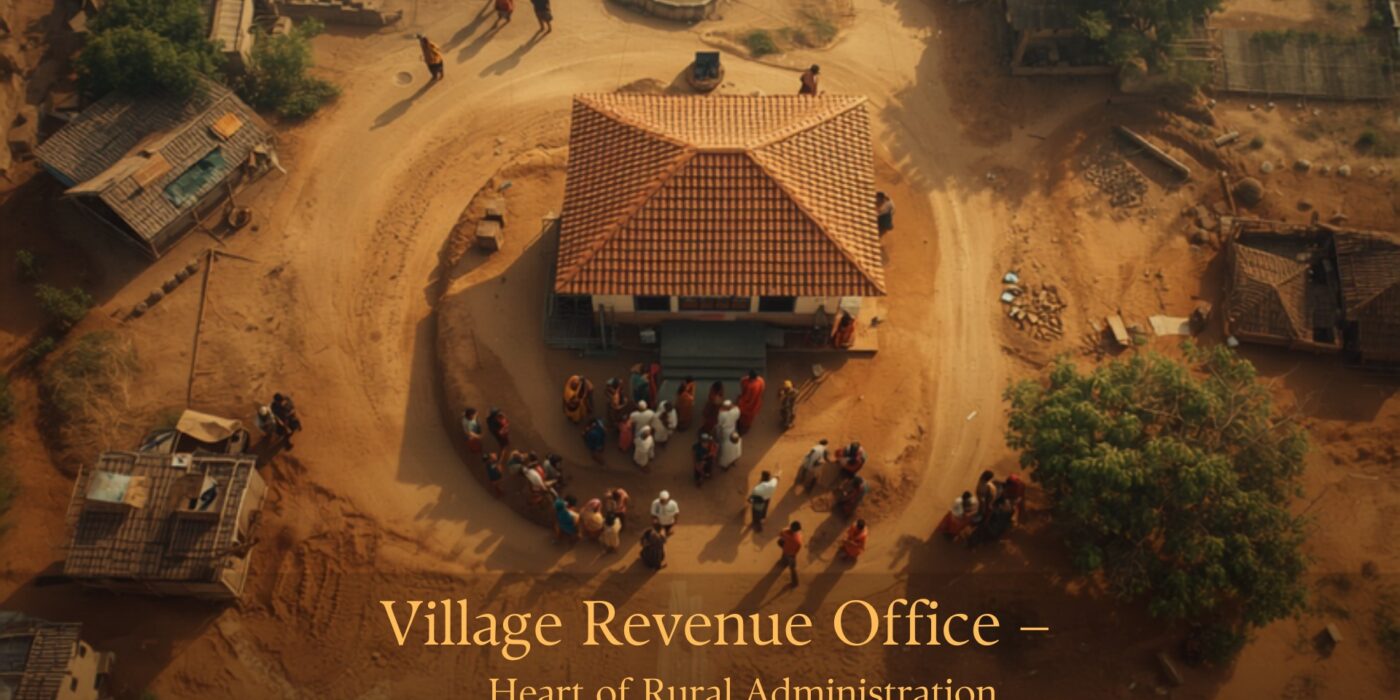
Rural village revenue office building with people outside
CategoriesLand Investment

Talathi Office Online vs In-Person: When You Still Need to Visit in Maharashtra

Key Takeaways

  • Digitization (Mahabhulekh, E-Ferfar, Aaple Sarkar) has moved most routine 7/12, 8A, and mutation status lookups online, but the Talathi’s village-level office remains essential for several tasks.
  • Applications requiring physical verification, dispute resolution, or older undigitized records still typically require an in-person visit or a formal written application.
  • New mutation entries, on-ground boundary disputes, and crop-season verification for agricultural land often still involve direct Talathi engagement, even where the paperwork is initiated online.
  • Knowing which category your task falls into saves buyers and landowners significant time — assuming everything can be done online (or that nothing can) both lead to unnecessary delays.

Reading time: 6 min | Last updated: July 2026 | By Girish Chhalwani, Founder & CEO, THE EDGE Developments

Maharashtra’s land record digitization has moved most routine document lookups online, but the village Talathi office still plays an essential role for tasks that require physical verification, dispute handling, or access to records that haven’t been digitized. For buyers and landowners, understanding exactly which tasks can be handled from a laptop and which genuinely require a visit or written application saves real time — and prevents the common mistake of assuming a portal search alone is a substitute for on-ground verification.

What You Can Now Do Fully Online

Task Portal
View/download current 7/12 extract bhulekh.mahabhumi.gov.in
View 8A holding extract bhulekh.mahabhumi.gov.in
Check recent mutation (Ferfar) status E-Ferfar section, Mahabhulekh
Check current Ready Reckoner rate eASR, igrmaharashtra.gov.in
Search Index II / registered documents igrmaharashtra.gov.in
Apply for NA conversion Aaple Sarkar (application submission)

What Still Typically Requires a Visit or Written Application

  • New mutation entry certification. While mutation status can be checked online, the actual notice period, objection handling, and final certification by the Talathi remains a village-level administrative process, not a self-service online transaction.
  • Boundary or measurement disputes. Any dispute over a plot’s physical boundary typically requires an on-ground survey involving the Talathi or a licensed surveyor — no portal can resolve a physical disagreement.
  • Undigitized historical records. Older mutation entries or pre-computerization documents may only exist in physical village registers, requiring an in-person or written request.
  • Correction of factual errors. If a 7/12 or Property Card contains a factual error (misspelled name, wrong area), correcting it usually requires a formal application process, often involving the Talathi’s verification.
  • Crop/season-specific verification for agricultural land. Certain agricultural verifications tied to specific crop seasons still involve direct field-level confirmation.

“Buyers sometimes assume digitization means the Talathi office is obsolete, and that’s not accurate. Portals are excellent for checking status and pulling standard documents quickly, but anything involving a genuine dispute, correction, or brand-new mutation still runs through the village office. Know which one you’re dealing with before you plan your timeline.” — Girish Chhalwani, Founder & CEO, THE EDGE Developments

Practical Guidance for Buyers

  1. Use online portals first for all standard document checks (7/12, 8A, mutation status, Ready Reckoner rate, Index II search).
  2. If a discrepancy, dispute, or undigitized record surfaces, plan for direct Talathi office engagement — either in person or via formal written application — and build reasonable time into your purchase timeline for this.
  3. For post-purchase mutation filing, follow up with the Talathi office directly rather than assuming online status alone confirms completion.

FAQ

Can I get my 7/12 extract without visiting the Talathi office?

Yes, current 7/12 extracts can be viewed and downloaded online via bhulekh.mahabhumi.gov.in without an in-person visit.

Do I need to visit the Talathi office for mutation after buying land?

While the application can often be initiated digitally, the notice period, objection handling, and final certification of a new mutation entry typically still involves the village-level Talathi process.

Can boundary disputes be resolved online?

No, boundary disputes require an on-ground survey, typically involving the Talathi or a licensed surveyor, and cannot be resolved through an online portal alone.

What if my land record has a factual error?

Correcting errors on a 7/12 or Property Card usually requires a formal application process, often verified by the Talathi office in person.

Are all historical land records available online?

No — many older, pre-computerization mutation entries exist only in physical village registers and require an in-person or written request to access.

Is it faster to do everything online for land record matters?

For standard document checks, yes. But for disputes, corrections, or historical records, online-only attempts can actually cause delays — direct engagement with the Talathi office is faster for these cases.

Citations & Sources

Related Reading

We Handle Both the Portal Checks and the Office Visits

THE EDGE Developments manages the full due-diligence process, online and in-person, so you don’t have to figure out which is which. Get in touch before you buy.

connect@theedgedevelopments.com | Phone: +91-9664662938
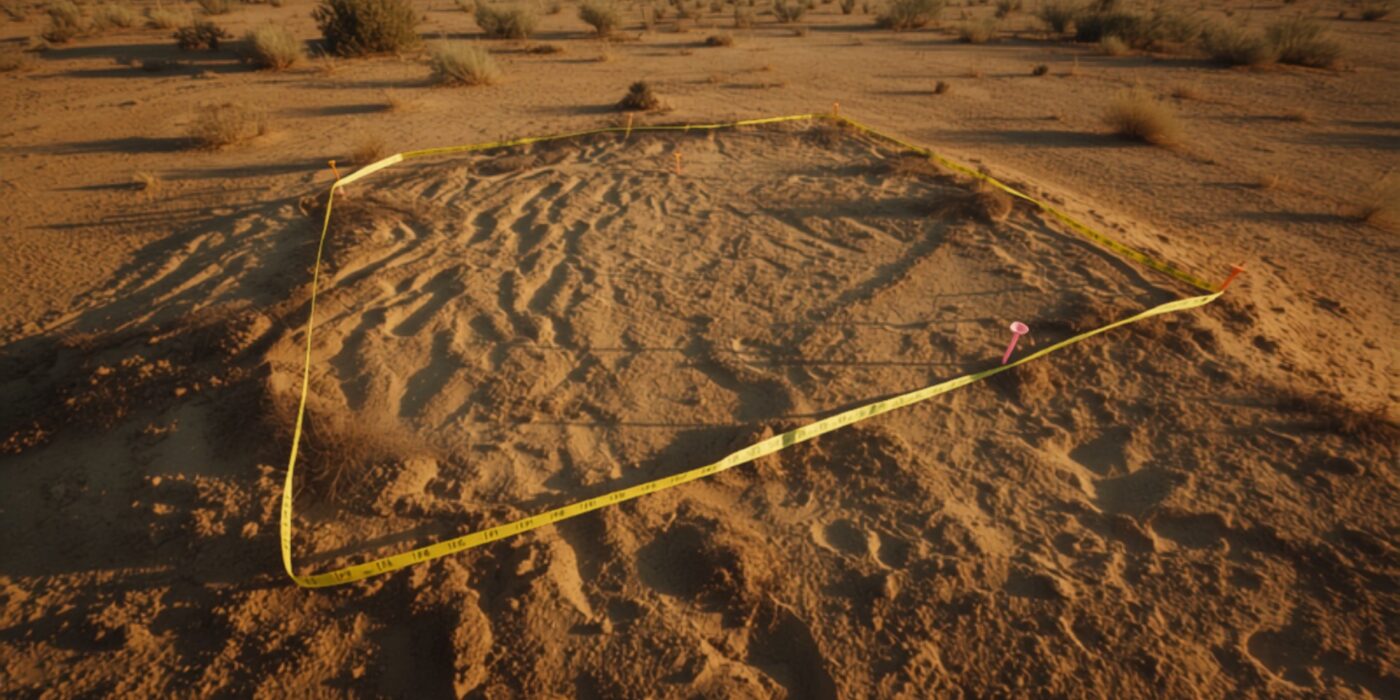
Open plot with survey pegs and measuring tape
CategoriesLand Investment

CTS Number Explained: How City Survey Numbers Identify Urban Land in Maharashtra

Key Takeaways

  • CTS (City Survey/Cadastral Town Survey) Number is the unique identifier assigned to a specific plot of urban land under Maharashtra’s City Survey system — functionally the urban equivalent of a rural survey/gat number.
  • Every Property Card, urban land record, and municipal correspondence about a specific urban plot references its CTS number as the primary identifier.
  • CTS numbers are assigned within a specific city’s or division’s survey system — a duplicate-looking number in a different city or division refers to an entirely different plot.
  • The CTS number is essential for looking up a Property Card, checking building permissions, verifying redevelopment eligibility, or confirming a property’s precise legal identity.
  • CTS numbers can sometimes be sub-divided (e.g., CTS No. 145/A, 145/B) when a larger plot is split — buyers should confirm which specific sub-division applies to the property being purchased.

Reading time: 6 min | Last updated: July 2026 | By Girish Chhalwani, Founder & CEO, THE EDGE Developments

The CTS (City Survey/Cadastral Town Survey) Number is the unique identifier assigned to every urban land parcel in Maharashtra’s City Survey system, functioning as the urban counterpart to the survey or gat number used for rural land. Whether you’re checking a Property Card, verifying redevelopment eligibility, or simply confirming a plot’s exact legal identity, the CTS number is the reference point everything else is built around — and getting it wrong (or confusing it with a similar-looking number from a different division) is a common and avoidable due-diligence mistake.

What Is a CTS Number?

Under Maharashtra’s City Survey system, urban areas — Mumbai, Pune, Nagpur, Thane, Nashik, and other City Surveyed municipal areas — have their land parcels mapped and numbered individually, distinct from the rural survey/gat number system used for agricultural and non-City-Surveyed land. Each parcel receives a CTS number, which becomes its permanent legal reference for Property Card lookups, municipal correspondence, and property transactions.

CTS Number vs Survey/Gat Number

Identifier Where Used Associated Record
CTS Number Urban, City Surveyed areas Property Card
Survey/Gat Number Rural and semi-urban areas 7/12 Extract

As Maharashtra’s 2026 land record reform (see our guide on the 7/12-to-Property Card transition) extends the CTS-based Property Card system into more areas, understanding CTS numbers is becoming relevant for a growing share of buyers beyond the traditionally urban core.

Why the CTS Number Matters for Buyers

  • Unique identity, but not globally unique. CTS numbers are unique within their specific division/ward, but the same number can exist in a different division or city referring to a completely different plot — always confirm the division alongside the CTS number.
  • Basis for Property Card lookup. Any search for an urban property’s ownership, area, or encumbrance status starts with the correct CTS number and division.
  • Redevelopment and building permission reference. Municipal building permission applications, redevelopment consents, and society records all reference the CTS number as the property’s core legal identity.
  • Sub-division tracking. When a larger plot is split (for sale, inheritance, or partial development), sub-divisions are typically denoted with a suffix (e.g., 145/A, 145/B) — buyers should confirm exactly which sub-division corresponds to the unit being purchased.

“I’ve seen buyers get confused because they searched a CTS number without specifying the division, and pulled up the wrong property’s records entirely — numbers repeat across divisions. Always confirm CTS number together with division and ward before you treat any lookup as gospel.” — Girish Chhalwani, Founder & CEO, THE EDGE Developments

How to Find a Property’s CTS Number

  1. Check the property’s existing Property Card, sale deed, or municipal tax receipt — the CTS number is typically printed on all of these.
  2. If unavailable, visit the relevant City Survey office or use the Mahabhumi Property Card portal, searching by address, owner name, or approximate location to identify the CTS number.
  3. Always note the associated division/ward alongside the CTS number itself, since the number alone is not sufficient to uniquely identify the property citywide.

FAQ

What does CTS number mean?

CTS stands for City Survey/Cadastral Town Survey — it’s the unique identifier assigned to urban land parcels under Maharashtra’s City Survey system.

Is CTS number the same as survey number?

No — survey/gat numbers apply to rural and semi-urban land tied to 7/12 extracts, while CTS numbers apply to urban, City Surveyed land tied to Property Cards.

Can the same CTS number exist in two different places?

Yes — CTS numbers are unique within their specific division/ward, so the same number in a different division refers to an entirely different property. Always confirm the division too.

Where do I find my property’s CTS number?

It’s typically printed on the Property Card, sale deed, or municipal tax receipt; if unavailable, the City Survey office or Mahabhumi portal can help locate it.

What does a CTS number with a suffix like “145/A” mean?

It indicates a sub-division of the original plot, typically created when a larger parcel was split for sale, inheritance, or partial development.

Do I need the CTS number for redevelopment projects?

Yes — redevelopment consents, building permissions, and society records all reference the CTS number as the property’s core legal identifier.

Citations & Sources

  • Mahabhumi Property Records Portal — mahabhumi.gov.in
  • Maharashtra Land Revenue Code, 1966

Related Reading

Verifying an Urban Plot’s Legal Identity? Start With the Right CTS Number

THE EDGE Developments confirms CTS numbers, divisions, and Property Card details accurately on every urban property we recommend.

connect@theedgedevelopments.com | Phone: +91-9664662938

Aerial view of Indian government office building at golden hour
CategoriesLand Investment

NA Conversion Online via Aaple Sarkar: Applying for Non-Agricultural Land Use in Maharashtra

Key Takeaways

  • NA (Non-Agricultural) conversion is the formal legal process required before agricultural land in Maharashtra can be legally used for residential, commercial, or industrial construction.
  • The application can be submitted online through the Aaple Sarkar portal (aaplesarkar.mahaonline.gov.in), routed to the relevant Collector or Tehsildar office for approval.
  • Required documents typically include the 7/12 extract, 8A extract, survey/measurement plan, and proof that the land is not covered under restricted categories (like certain tribal or ceiling-restricted land).
  • Buying agricultural land with the intent to build without completing NA conversion first is a common and costly mistake — unauthorized construction on non-NA land can face demolition or regularization difficulties later.
  • NA order copies should be independently verified, not just taken on a seller’s or developer’s word, before purchasing land marketed as “NA plots.”

Reading time: 7 min | Last updated: July 2026 | By Girish Chhalwani, Founder & CEO, THE EDGE Developments

NA (Non-Agricultural) conversion is the legal process that permits agricultural land in Maharashtra to be used for residential, commercial, or industrial construction, and it can now be applied for online through the Aaple Sarkar portal rather than only through in-person Collector’s office visits. For buyers evaluating a plot marketed as ready for construction, confirming genuine, verified NA status — not just a seller’s claim — is one of the most consequential due-diligence checks in the entire purchase process.

What Is NA Conversion?

Under the Maharashtra Land Revenue Code, agricultural land cannot legally be used for non-agricultural purposes (building a house, commercial structure, or industrial facility) without formal permission from the Collector or authorized Tehsildar. This permission, once granted, is recorded as an NA order and reflected in the land’s revenue records, allowing the land’s usage classification to change from agricultural to non-agricultural.

How to Apply for NA Conversion via Aaple Sarkar

  1. Visit aaplesarkar.mahaonline.gov.in and register/log in to access the Revenue Department services.
  2. Locate the NA Conversion (Non-Agricultural Permission) service under Revenue Department applications.
  3. Fill in the application with property details: survey/gat number, village, taluka, district, and intended use (residential/commercial/industrial).
  4. Upload required supporting documents (see below).
  5. Pay the applicable conversion fee/premium, calculated based on the Ready Reckoner rate and land area.
  6. Track application status online; the Collector/Tehsildar office reviews and, if approved, issues a formal NA order.
  7. Once approved, ensure the change is reflected on the land’s 7/12 or Property Card record.

Typical Documents Required

Document Purpose
7/12 Extract Confirms current agricultural land status and ownership
8A Extract Confirms aggregate holding and account details
Survey/Measurement Map Confirms boundaries and area of the plot being converted
Layout/Site Plan Shows intended development layout for the converted land
NOC/clearances (where applicable) Required if the land falls near restricted zones (forest, coastal, defense, etc.)

Why NA Status Matters for Buyers

  • Legality of construction. Building on land without completed NA conversion exposes the structure to regularization difficulties or, in serious cases, demolition risk.
  • Bank financing. Most construction loans require confirmed NA status as a precondition — agricultural land alone typically doesn’t qualify for a standard construction loan.
  • Resale value and clarity. A plot with a verified, on-record NA order is significantly more transactable than one where NA status is unclear, pending, or merely claimed verbally.
  • Restricted land categories. Some agricultural land — tribal land under certain protections, ceiling-restricted holdings, or land near ecologically sensitive zones — faces additional restrictions or may be ineligible for NA conversion altogether.

“‘NA plot’ gets used loosely in marketing — sometimes it means genuinely converted land with a valid order on file, and sometimes it means the seller expects conversion will happen eventually. Those are very different things to buy. Ask for the actual NA order number and verify it against the land record before you pay a premium for ‘NA’ status.” — Girish Chhalwani, Founder & CEO, THE EDGE Developments

How to Verify a Seller’s NA Claim

  1. Request the specific NA order number and issuing office (Collector/Tehsildar) from the seller.
  2. Cross-check that the current 7/12 or Property Card reflects the non-agricultural usage classification, not just agricultural land with a promised future conversion.
  3. If uncertain, request written confirmation directly from the relevant Tehsildar office rather than relying solely on documents provided by the seller or broker.

FAQ

What is NA conversion?

NA (Non-Agricultural) conversion is the formal legal process required before agricultural land in Maharashtra can be used for residential, commercial, or industrial construction.

Can I apply for NA conversion online?

Yes, through the Aaple Sarkar portal (aaplesarkar.mahaonline.gov.in) under Revenue Department services, though the application is ultimately processed by the Collector or Tehsildar office.

How long does NA conversion approval take?

Processing time varies by district and case complexity; applicants can track status through the Aaple Sarkar portal.

What documents are needed for NA conversion?

Typically the 7/12 extract, 8A extract, survey/measurement plan, layout plan, and any required NOCs for restricted zones.

What happens if I build on land without NA conversion?

Construction on non-converted agricultural land is unauthorized and can face regularization difficulties or demolition risk, and typically won’t qualify for standard construction financing.

How can I verify a plot’s NA status before buying?

Request the specific NA order number from the seller and confirm it against the current 7/12 or Property Card record, or verify directly with the local Tehsildar office.

Is all agricultural land eligible for NA conversion?

No — certain categories, such as protected tribal land or land near ecologically sensitive or restricted zones, may face additional restrictions or ineligibility.

Does NA conversion cost money?

Yes, a conversion fee/premium is payable, generally calculated based on the Ready Reckoner rate and the area of land being converted.

Citations & Sources

Related Reading

Buying an “NA Plot”? Let Us Verify the Order First

THE EDGE Developments confirms genuine NA conversion status on every plot we recommend, so you never pay an NA premium for land that isn’t actually converted.

connect@theedgedevelopments.com | Phone: +91-9664662938

Warm archive room with old wooden shelves and paper records
CategoriesLand Investment

Old Ferfar (Historical Mutation) Records Maharashtra: Tracing Land Ownership History

Key Takeaways

  • Old Ferfar records are the historical mutation entries — sometimes decades old — that document every recorded change of ownership or rights on a piece of land over time.
  • These records go beyond what a current 7/12 or a recent Encumbrance Certificate search shows, useful for tracing a complete ownership chain, especially for old agricultural or inherited land.
  • Older mutation records are not always fully digitized — pre-computerization entries may only exist in physical village registers (“Ferfar Register”) held at the Talathi or Tehsildar office.
  • Tracing old mutation history is especially valuable when a title has passed through multiple inheritances, partitions, or historical disputes.
  • Where digitized, historical mutation entries can sometimes be viewed through the Mahabhulekh/E-Ferfar system; where not, a formal request to the Talathi or District Land Records office is the standard route.

Reading time: 6 min | Last updated: July 2026 | By Girish Chhalwani, Founder & CEO, THE EDGE Developments

Old Ferfar records are the historical archive of mutation entries recorded against a piece of land over decades, and they matter whenever a buyer needs to trace a complete ownership chain rather than just confirm the current owner’s name. A standard 7/12 shows the present position; old mutation records show how the land got there — every sale, inheritance, and partition along the way. For agricultural land or family-held property with a long or complicated history, this deeper record is often where real due diligence begins.

What Are Old Ferfar Records?

Every mutation entry ever certified against a survey number is, in principle, recorded permanently in the village’s Ferfar Register, maintained historically by the Talathi. Modern digitization efforts (E-Ferfar under Mahabhulekh) have brought many recent entries online, but older records — particularly from before large-scale computerization — may exist only as physical entries in the historical register.

Why Trace Old Mutation History?

Scenario Why Old Records Help
Multi-generational inheritance Confirms each transfer through the family line was properly recorded, without gaps
Old, undivided family land Reveals whether a formal partition was ever recorded, or whether co-ownership claims may still exist
Suspiciously clean recent title A title that looks unusually simple on a recent 7/12 sometimes has a more complicated older history worth understanding
Legacy disputes or litigation history Old mutation entries can reveal past objections or court-ordered changes not visible in current records alone

How to Access Old Ferfar Records

  1. Check E-Ferfar first. Search the mutation history section on bhulekh.mahabhumi.gov.in — some historical entries, particularly from the past two to three decades, have been digitized.
  2. Request physical register access if needed. For older or undigitized entries, submit a formal request to the village Talathi or the Tehsildar’s office, specifying the survey/gat number and approximate time period of interest.
  3. Cross-reference with the 8A extract. The 8A’s current Khate details can help confirm which mutation entries are relevant to trace back to.
  4. Consult District Land Records archives for very old entries. Pre-independence or early-20th-century records, where they still exist, are typically held at the district-level land records office rather than the village Talathi.

“For most straightforward purchases, the current 7/12 and a recent Encumbrance Certificate are sufficient. But for old agricultural land that’s passed through multiple generations, I always recommend pulling the older mutation history too — it’s the difference between confirming who owns the land today and understanding how they came to own it, which matters a lot more if a dispute ever surfaces.” — Girish Chhalwani, Founder & CEO, THE EDGE Developments

Limitations to Keep in Mind

  • Not all historical records are digitized — some older entries genuinely require an in-person or written request to the local revenue office.
  • Handwritten historical registers can have legibility or preservation issues in some village offices, particularly for entries many decades old.
  • Tracing very old or complex family land histories often benefits from involving a local property lawyer familiar with historical land record research in that specific taluka.

FAQ

What are old Ferfar records?

They are historical mutation entries recorded against a piece of land over time, documenting past changes in ownership or rights, sometimes going back decades.

Are all historical mutation records available online?

No — many recent entries are digitized via E-Ferfar, but older, pre-computerization records may only exist in physical village registers.

Why would I need to check old mutation history before buying land?

It helps confirm a complete and clean ownership chain, especially for land that has passed through multiple inheritances or family partitions.

How do I request old land records that aren’t digitized?

Submit a formal request to the village Talathi or Tehsildar’s office, specifying the survey/gat number and the approximate historical period needed.

What’s the difference between old Ferfar records and a current 7/12 extract?

The 7/12 shows the present recorded status; old Ferfar records show the full history of how that status came to be, transaction by transaction.

Should I hire a lawyer to trace old land ownership history?

For complex or old family-held land, a local property lawyer familiar with historical record research is often worthwhile, especially where records are only available physically.

Citations & Sources

Related Reading

Tracing a Complicated Land History? We Can Help

THE EDGE Developments has experience tracing multi-generational land records across Maharashtra’s revenue offices. Talk to us before you commit to a purchase with an unclear history.

connect@theedgedevelopments.com | Phone: +91-9664662938

Aerial view of Mumbai suburban skyline contrasted with historic architecture
CategoriesLand Investment

Mumbai City vs Mumbai Suburban: Two Districts, Two Different Land Record Systems

Key Takeaways

  • Mumbai City (the island city — Colaba to Mahim/Sion) and Mumbai Suburban (Bandra to Dahisar/Mulund) are two separate administrative districts, each with their own Collector and revenue machinery.
  • Both districts use the Property Card system rather than the 7/12/8A framework used in the rest of Maharashtra, since Mumbai’s land records were urbanized and City Surveyed much earlier than most of the state.
  • Despite using the same Property Card format, some administrative processes, ward jurisdictions, and specific record-keeping details differ between the two districts.
  • Buyers should confirm which district a property falls under, since that determines which Collector’s office, City Survey office, and specific ward-level record system applies.
  • Mumbai Suburban, being more recently developed than the island city in many pockets, has a mix of long-settled Property Card records and some newer developments still working through initial documentation.

Reading time: 6 min | Last updated: July 2026 | By Girish Chhalwani, Founder & CEO, THE EDGE Developments

Mumbai City and Mumbai Suburban are two distinct administrative districts within Greater Mumbai, each with its own Collector, and while both use the Property Card system for land records, the practical administration of these records differs between them. For a buyer, this matters mainly at the level of knowing which office to approach, and understanding that “Mumbai” isn’t administratively a single homogenous unit when it comes to land record verification.

Mumbai City vs Mumbai Suburban: The Basic Split

District Approximate Coverage
Mumbai City The original “island city” — Colaba, Fort, Marine Lines, Byculla, Parel, Dadar, Mahim, Sion
Mumbai Suburban Bandra through Dahisar on the western side, and Kurla through Mulund on the eastern/central side

Both districts fall under Greater Mumbai and are governed civically by the same BMC/MCGM for municipal services and property tax, but they are separate revenue districts for land record purposes, each with a distinct Collector’s office.

Why Both Use the Property Card System

Unlike most of rural and semi-urban Maharashtra, which uses the 7/12 extract and 8A framework under the standard revenue survey system, Mumbai’s land was subjected to a formal City Survey much earlier due to its dense, urbanized development history. As a result, both Mumbai City and Mumbai Suburban districts use Property Cards (CTS-number-based records) instead of the 7/12/Gat-number system — the same core reform now being extended statewide (see our guide on the 2026 7/12-to-Property Card transition).

Where the Two Districts Differ in Practice

  • Separate Collector offices. Mumbai City and Mumbai Suburban each have their own District Collector responsible for revenue administration, which affects where certain applications (like Property Card corrections) need to be filed.
  • Ward-level record variation. Since Mumbai Suburban includes areas that urbanized more recently than the island city, some pockets have a mix of older, well-settled Property Card records and newer developments where documentation is still catching up.
  • CTS number ranges. CTS (City Survey/Cadastral Town Survey) numbers are assigned within each district’s own numbering system, so the same CTS number format doesn’t uniquely identify a property without also specifying the district and division.

“Buyers moving between Mumbai City and Mumbai Suburban properties sometimes assume the record system and process will be identical everywhere in Mumbai. The Property Card format is the same, but which Collector’s office you deal with, and how quickly a correction or query gets resolved, can differ. Confirm the district and division specifically for the property you’re evaluating.” — Girish Chhalwani, Founder & CEO, THE EDGE Developments

How to Check Which District a Property Falls Under

The Property Card itself will specify the district (Mumbai City or Mumbai Suburban), division, and CTS number. If uncertain from available documents, the area/locality name is usually a reliable indicator — anything from Bandra northward is Mumbai Suburban; anything from Mahim/Sion southward is Mumbai City — though boundary-adjacent properties should be confirmed directly.

FAQ

What’s the difference between Mumbai City and Mumbai Suburban districts?

They are two separate administrative revenue districts within Greater Mumbai — Mumbai City covers the original island city area, while Mumbai Suburban covers the areas from Bandra/Kurla northward.

Do both districts use the same land record system?

Yes, both use the Property Card (CTS-based) system rather than the 7/12 extract used in the rest of Maharashtra, since Mumbai underwent an earlier City Survey.

Why does it matter which district my property is in?

Each district has its own Collector’s office responsible for revenue administration, which affects where Property Card corrections or queries need to be filed.

How do I know if my property is in Mumbai City or Mumbai Suburban?

The Property Card specifies the district directly; as a general guide, areas from Mahim/Sion southward fall under Mumbai City, and Bandra northward falls under Mumbai Suburban.

Is the CTS number system the same across both districts?

CTS numbers are assigned within each district’s own numbering system, so the same number format requires the district and division to uniquely identify a property.

Are property tax rates different between Mumbai City and Mumbai Suburban?

Both fall under the same BMC/MCGM for municipal property tax purposes, though actual tax amounts vary by locality-specific factors like Ready Reckoner rate and usage category, not by district designation alone.

Citations & Sources

  • Mahabhumi Property Records Portal — mahabhumi.gov.in
  • Maharashtra Land Revenue Code, 1966

Related Reading

Buying Across Mumbai’s Two Districts? We Know the Difference

THE EDGE Developments navigates Mumbai City and Mumbai Suburban land records, Collector processes, and title verification for every buyer we work with.

connect@theedgedevelopments.com | Phone: +91-9664662938